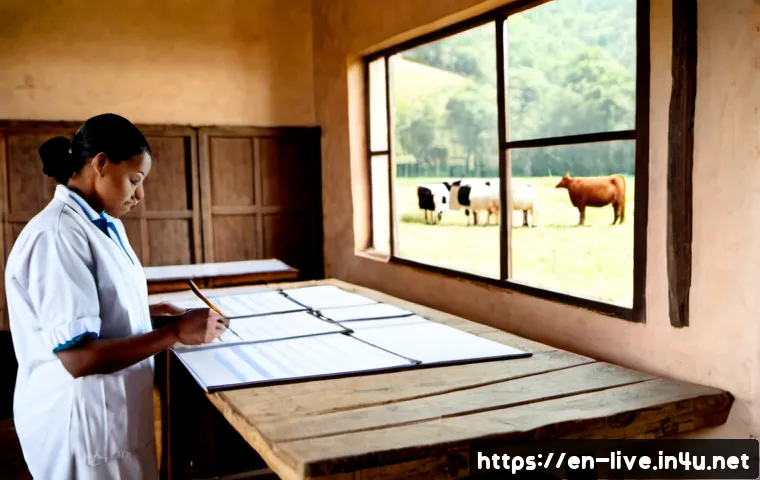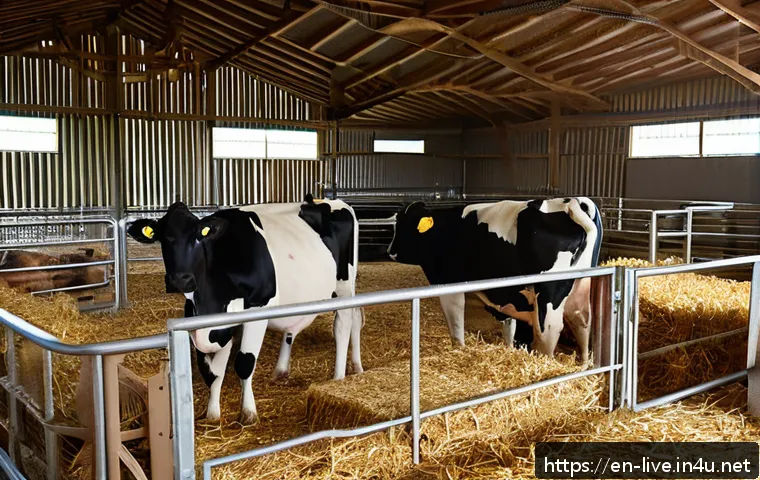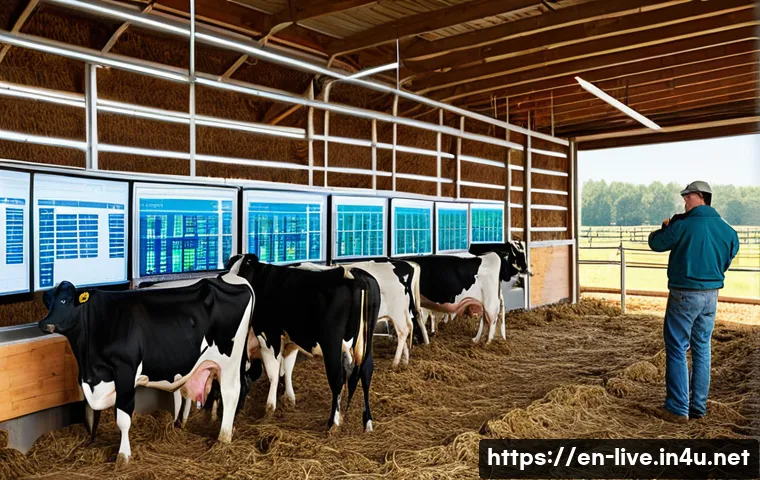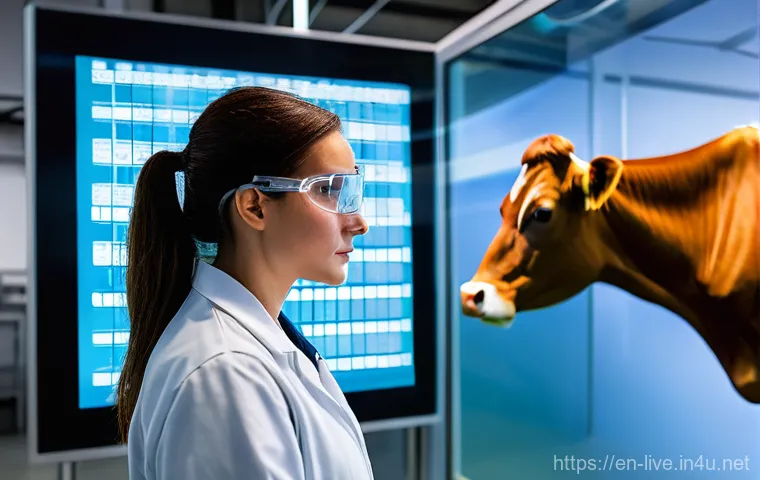
Embarking on a hands-on journey in livestock farming offers invaluable insights that textbooks alone can’t provide. From managing animal health to understanding sustainable practices, real-world experience sharpens skills and builds confidence.
Many who have stepped into this field report not only improved knowledge but also a deeper appreciation for ethical and efficient farming methods. These success stories highlight how practical training bridges the gap between theory and practice, preparing aspiring farmers for real challenges.
Curious about what makes these livestock internships truly effective? Let’s dive in and explore the details!
Mastering Daily Livestock Care
Recognizing Early Signs of Animal Health Issues
Spotting subtle changes in animal behavior or appearance is a skill that develops only through firsthand experience. For example, when I interned at a cattle farm, I quickly learned how a cow’s slight decrease in appetite or subtle limping could signal an underlying health problem long before obvious symptoms showed up.
Early detection not only prevents serious illness but also reduces treatment costs and improves overall herd wellbeing. Internships often emphasize these observational skills, teaching interns to be proactive rather than reactive in animal care.
Practical Techniques for Feeding and Nutrition
Understanding the nutritional needs of different livestock species is critical, but applying that knowledge in real life is a different story. During my hands-on training, I realized how factors like weather, growth stage, and production goals affect feeding strategies.
For instance, adjusting the protein levels in feed for dairy cows during peak lactation made a noticeable difference in milk yield. Learning to balance cost efficiency with optimal nutrition by using locally available feed ingredients was an eye-opener, which you rarely get from textbooks alone.
Maintaining Clean and Safe Living Environments
Livestock housing isn’t just about providing shelter; it’s about creating a space that minimizes disease risk and promotes animal comfort. I remember how crucial it was to maintain proper ventilation, manage waste effectively, and ensure bedding was dry and clean.
These practical tasks might seem mundane but have a huge impact on animal health and farm productivity. Being directly responsible for these chores during my internship gave me a new appreciation for the day-to-day efforts that keep a farm running smoothly.
Building Confidence Through Hands-On Veterinary Practices
Administering Vaccinations and Basic Treatments
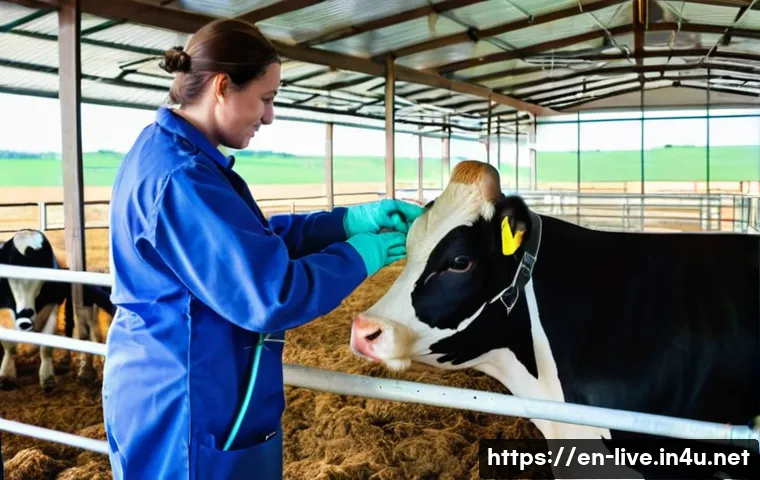
Administering vaccines and medications was intimidating at first, but with guided practice, it became one of the most rewarding parts of my internship.
I learned the importance of proper injection techniques, dosage calculations, and timing to ensure maximum efficacy. Doing this hands-on work helped me understand the critical role preventive medicine plays in livestock health, and boosted my confidence to handle animals safely and humanely.
Collaborating with Veterinarians and Farm Staff
The internship environment offered valuable lessons in teamwork and communication. Observing and assisting veterinarians during health checks and treatments showed me how professionals diagnose and solve real problems.
I also picked up tips on how to effectively communicate observations and concerns to farm managers. This collaboration highlighted the importance of clear, respectful dialogue in achieving the best outcomes for the animals.
Emergency Response Skills in Real Situations
One unexpected experience involved helping with a calving complication. The adrenaline rush and the quick decision-making required taught me more than any book could.
Learning how to remain calm under pressure, identify emergencies, and take appropriate action was invaluable. These real-life scenarios sharpened my ability to react promptly and effectively, skills that are essential for anyone working in livestock farming.
Understanding Sustainable and Ethical Farming Practices
Implementing Waste Management Systems
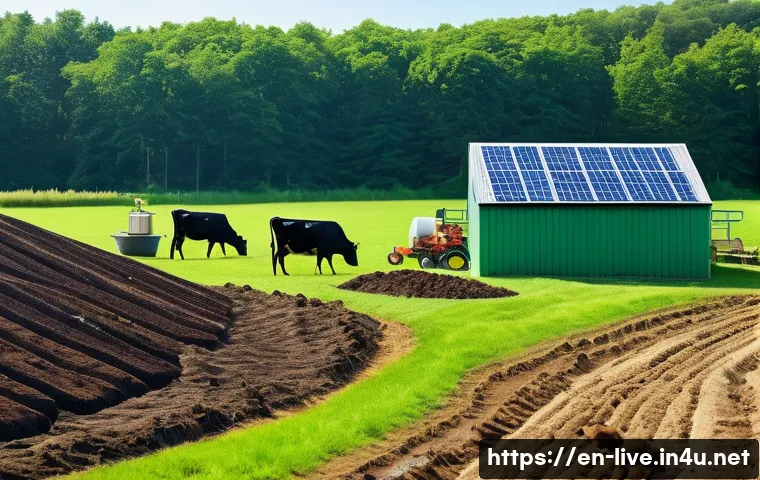
Sustainability in livestock farming goes beyond feeding and health—it extends to how waste is managed to protect the environment. During my internship, I observed how manure was composted and recycled as fertilizer, reducing pollution and improving soil health.
This hands-on involvement in eco-friendly practices made me realize that sustainability is achievable on farms of all sizes and is vital for long-term success.
Promoting Animal Welfare Standards
Ethical treatment of animals was a core focus throughout my training. I saw firsthand how stress reduction techniques, proper handling, and enrichment activities improve both animal welfare and productivity.
These practices often require extra time and effort but yield benefits like better growth rates and reduced disease incidence. Experiencing this balance of ethics and efficiency was inspiring and reshaped my perspective on responsible farming.
Integrating Renewable Energy and Resource Conservation
Some farms I worked on integrated solar panels and rainwater harvesting systems, which contributed to lower operating costs and environmental impact. Participating in the maintenance of these systems gave me a practical understanding of how renewable technologies can be adapted to livestock operations.
This exposure highlighted the importance of innovation and adaptability in modern farming.
Enhancing Farm Management Skills Through Real Experience
Record-Keeping and Data Analysis
Keeping accurate records is essential for tracking animal performance, health treatments, and financial outcomes. I learned how to use farm management software and spreadsheets to analyze trends and make informed decisions.
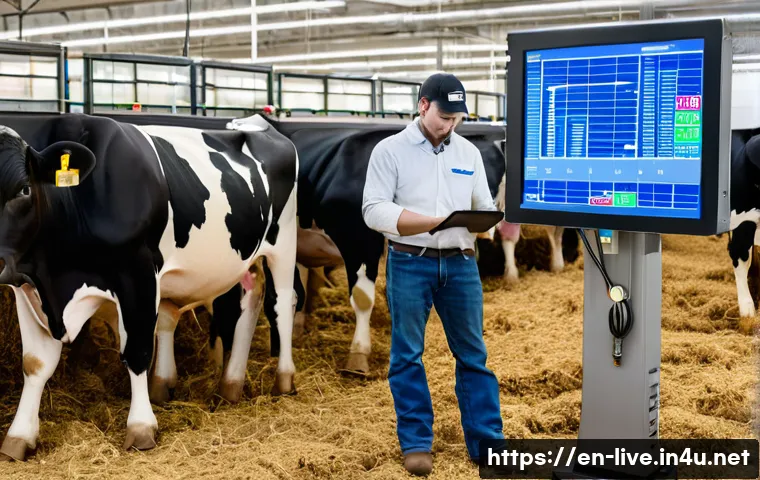
This data-driven approach helped me appreciate the behind-the-scenes work that supports daily farm operations and long-term planning.
Time Management and Prioritization
Juggling multiple tasks such as feeding, cleaning, health checks, and paperwork taught me the value of effective time management. Prioritizing urgent issues without neglecting routine care was a daily challenge.
This experience helped me develop organizational skills that are crucial for running a smooth and productive farm.
Budgeting and Cost Control
Understanding the economics of livestock farming was eye-opening. I witnessed how careful budgeting for feed, veterinary care, and equipment maintenance directly impacts profitability.
Learning to balance quality inputs with cost constraints sharpened my financial literacy and made me more mindful of sustainable business practices.
Leveraging Technology in Modern Livestock Farming
Using Sensors and Monitoring Systems
Many farms now use technology like activity trackers, temperature sensors, and automated feeders to improve management. During my internship, I saw how real-time data helped detect health issues early and optimized feeding schedules.
This tech-savvy approach makes farming more precise and efficient, reducing waste and improving animal wellbeing.
Applying Software for Breeding and Genetics
I was introduced to software tools that assist in breeding decisions by analyzing genetic data to enhance desirable traits. This technology supports better herd improvement strategies and disease resistance.
Seeing these tools in action gave me insight into how science and technology combine to advance livestock farming.
Remote Farm Management and Automation
Some farms implemented automated milking systems and remote monitoring, which reduced labor demands and increased consistency. Experiencing these innovations firsthand showed me how automation can free up time for farmers to focus on strategic tasks and animal care, ultimately improving farm productivity and quality of life.
Comparing Internship Programs: Key Features and Benefits
| Program | Duration | Focus Areas | Hands-On Opportunities | Certification Provided |
|---|---|---|---|---|
| Green Pastures Livestock Internship | 6 months | Animal health, sustainable farming, data analysis | Daily animal care, veterinary assistance, record keeping | Yes |
| Urban Farm Experience | 3 months | Small-scale livestock, urban sustainability, waste management | Feeding, housing maintenance, community outreach | No |
| Tech-Driven Farm Internship | 4 months | Livestock technology, automation, breeding software | Sensor monitoring, automated systems operation, genetic analysis | Yes |
| Traditional Family Farm Program | 5 months | Classic livestock care, farm management, ethical practices | Feeding, health checks, manual labor | No |
In Conclusion
Mastering daily livestock care requires a blend of hands-on experience, attention to detail, and a commitment to animal welfare. Throughout various internship programs, gaining practical skills in health monitoring, nutrition, and farm management proves invaluable. Embracing technology and sustainable practices further elevates the quality of care and operational efficiency. Ultimately, these experiences build confidence and prepare individuals for a successful career in modern livestock farming.
Useful Information to Keep in Mind
1. Early detection of health issues can save both animals and resources by preventing severe illnesses.
2. Tailoring nutrition based on animal needs and environmental conditions enhances productivity and wellbeing.
3. Maintaining clean, safe, and well-ventilated living spaces is fundamental for disease prevention and comfort.
4. Collaborating closely with veterinarians and farm staff improves animal care and fosters teamwork.
5. Leveraging technology, such as sensors and automation, increases farm efficiency and allows better monitoring.
Key Takeaways
Consistent observation and proactive care form the foundation of effective livestock management. Balancing ethical treatment with practical farming demands ensures animal welfare and farm profitability go hand in hand. Hands-on experience, combined with modern tools and sustainable methods, equips aspiring farmers with the skills needed to face today’s challenges. Prioritizing communication, time management, and financial planning is essential for smooth daily operations. Lastly, embracing innovation and continuous learning drives long-term success in livestock farming.
Frequently Asked Questions (FAQ) 📖
Q: What are the key benefits of participating in a livestock farming internship?
A: Participating in a livestock farming internship offers hands-on experience that textbooks can’t fully provide. You get to manage real animals, observe their behavior, and understand health management up close.
This practical exposure boosts your confidence and sharpens your skills, making you better prepared for the challenges of running a farm. Many interns also develop a deeper respect for ethical farming and sustainability, which is crucial for modern agriculture.
Q: How does practical experience in livestock farming improve understanding of sustainable farming practices?
A: When you work directly on a farm, you see firsthand how sustainable practices impact animal welfare and the environment. For example, you might learn about rotational grazing, waste management, or organic feed options in a way that’s much clearer than reading about them.
This experience helps you appreciate the balance between productivity and conservation, teaching you how to implement sustainable methods effectively.
Q: What should I expect to learn during a livestock farming internship that I wouldn’t get from studying alone?
A: During an internship, you’ll learn the day-to-day realities of animal care, including feeding schedules, recognizing signs of illness, and handling emergencies—things that books can’t fully convey.
You’ll also gain insights into farm management decisions, equipment use, and working with a team. This real-world context helps you connect theory with practice, making your learning much more comprehensive and practical.