As the livestock industry faces rapid transformation, staying updated on government regulations has never been more crucial. Recent policy shifts are reshaping how producers manage animal welfare, environmental impact, and food safety standards.

Whether you’re a farmer, supplier, or simply curious about the future of agriculture, understanding these changes can help you navigate the evolving landscape with confidence.
In this post, we’ll break down the latest regulatory updates and what they mean for the industry’s future. Let’s dive in and explore how these developments could impact your role in livestock management.
Adapting to New Animal Welfare Requirements
Enhancing Living Conditions for Livestock
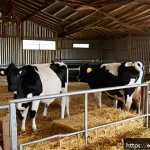
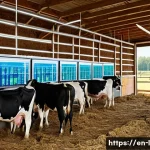
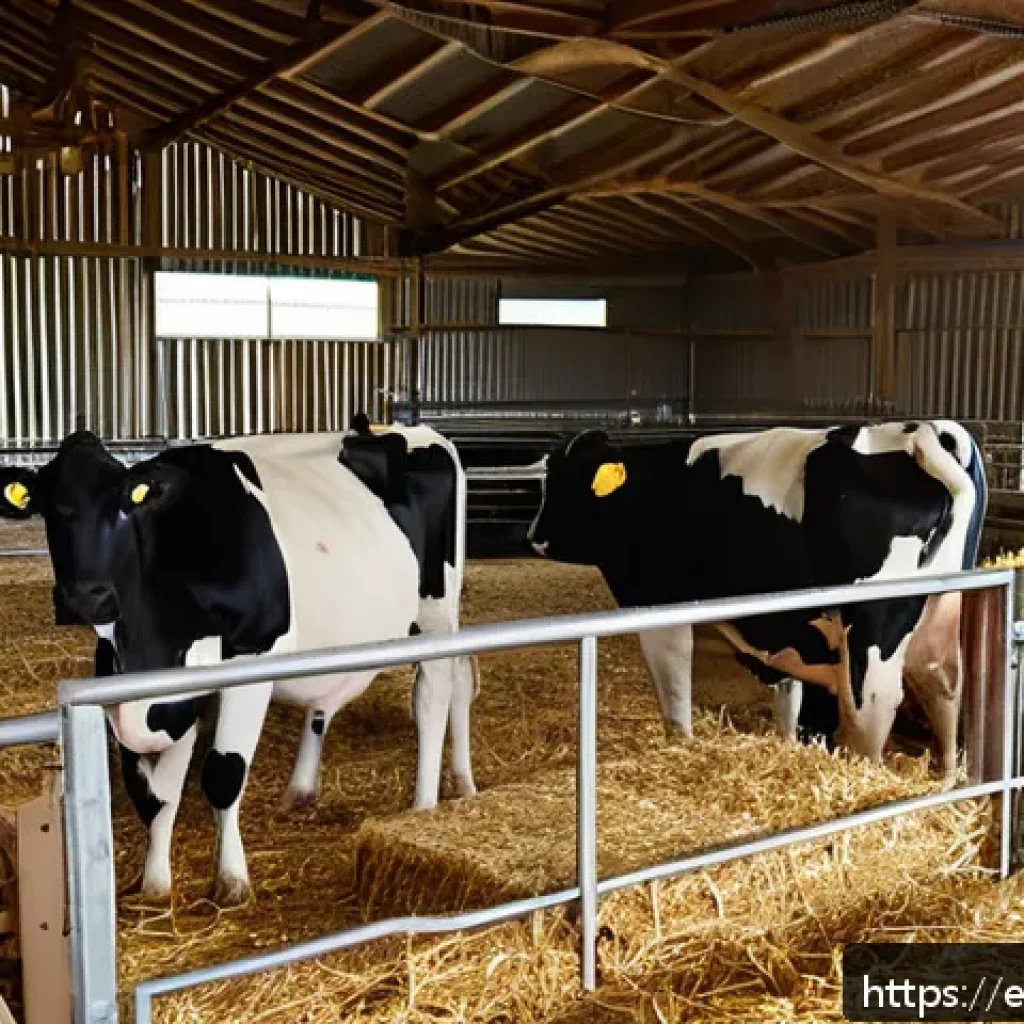
Meeting the latest animal welfare standards means producers must rethink housing, space, and enrichment options for their animals. For example, many regulations now mandate more space per animal to reduce stress and promote natural behaviors.
I’ve seen firsthand how upgrading barns and introducing bedding materials not only comply with these rules but also improve animal health and productivity.
It’s a win-win, though it can require upfront investment and careful planning to balance comfort with operational efficiency. Staying proactive here helps avoid penalties and builds consumer trust, which is increasingly valuable as shoppers demand ethically raised products.
Implementing Humane Handling and Transport Practices
Transport and handling are under more scrutiny than ever, with new rules targeting reduced stress and injury during movement. This includes limiting transport times, ensuring proper ventilation, and training staff on low-stress handling techniques.
From my experience, investing in training programs and modifying transport vehicles has made a noticeable difference—not just in compliance but also in lowering mortality rates during transit.
These changes can feel challenging at first, but they ultimately protect animal welfare and reduce financial losses from injury or death.
Monitoring and Reporting Compliance
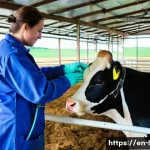
Regulators expect detailed documentation showing adherence to welfare standards. This means farms need robust record-keeping systems, often digital, to track everything from feeding schedules to veterinary visits.
In practice, adopting user-friendly software tools has made this process smoother and less time-consuming than I anticipated. Accurate data collection also prepares producers for audits and inspections, turning what used to be a stressful event into a routine check-in.
Strengthening Environmental Sustainability in Livestock Farming
Reducing Greenhouse Gas Emissions
Governments are setting ambitious targets to cut methane and nitrous oxide emissions from livestock operations. Techniques like improved feed efficiency, manure management, and renewable energy integration are becoming standard.
I’ve worked with farmers who’ve adopted methane digesters and seen tangible reductions in emissions alongside energy cost savings. While the initial setup can be costly, the long-term benefits include not only regulatory compliance but also enhanced farm sustainability and potential subsidies.
Water Conservation and Waste Management
Water usage and waste runoff are critical environmental concerns. New policies often require farms to implement water-saving technologies and manage manure to prevent contamination.
In several cases, installing efficient irrigation and runoff containment systems was a game changer for farms I know. These systems protect local water sources and can improve crop yields when manure is recycled properly as fertilizer.
It’s a complex balance but vital for long-term viability in regions facing water scarcity.
Incentives and Penalties for Environmental Performance
Regulatory frameworks increasingly include financial incentives for sustainable practices and penalties for violations. Understanding these can help producers optimize their operations economically while staying compliant.
Based on what I’ve seen, farms that proactively engage with environmental programs often unlock grants or tax breaks that offset upgrade costs. Conversely, ignoring these regulations can lead to hefty fines, legal disputes, and reputational damage, which are far more costly in the long run.
Elevating Food Safety Standards in Livestock Production
Traceability and Transparency Requirements
Food safety regulations now emphasize traceability from farm to table, requiring detailed tracking of animals, feed, and health records. This traceability is crucial for rapid response to disease outbreaks or contamination events.
I’ve helped producers implement barcode and RFID systems that streamline this process, making it easier to comply and reassuring consumers about product safety.
The upfront effort pays off by reducing risks and enhancing market access.
Biosecurity and Disease Control Measures
Enhanced biosecurity protocols are mandatory to prevent disease spread within and between farms. This includes controlled access, disinfection procedures, and monitoring animal health closely.
In practice, farms adopting strict biosecurity have experienced fewer outbreaks and lower treatment costs. Training staff regularly and maintaining hygiene standards are key to success here, and they foster a culture of responsibility that benefits overall herd health.
Compliance with Antibiotic Use Regulations
Antibiotic stewardship is a hot topic, with tighter limits on prophylactic use and requirements for veterinary oversight. Producers must now document all antibiotic applications and explore alternatives like probiotics or improved nutrition.
From my conversations with farmers, those embracing these changes see improved animal resilience and a better public image, though it demands careful management to avoid productivity dips during transition.
Leveraging Technology to Meet Regulatory Demands
Digital Record-Keeping and Reporting Tools
Modern regulations require extensive data collection, and digital tools are invaluable for managing this efficiently. Cloud-based platforms allow real-time monitoring and easy report generation, which I’ve found reduces administrative burdens significantly.
Integrating these systems with farm operations can also provide insights into production trends and compliance gaps, enabling proactive adjustments rather than reactive fixes.
Automation for Welfare and Environmental Compliance
Automation technologies such as automated feeders, climate control systems, and manure scrapers help meet welfare and environmental standards consistently.

Farms I’ve visited that use these technologies report fewer compliance issues and better overall animal well-being. While the initial investment is not trivial, the labor savings and improved consistency often justify the cost over time.
Remote Monitoring and Data Analytics
Remote sensors and cameras allow continuous monitoring of animal health, environmental conditions, and equipment performance. This real-time data supports faster decision-making and early problem detection.
I’ve seen producers catch issues like temperature fluctuations or water system failures before they escalate, which helps maintain compliance and avoid costly disruptions.
Understanding the Financial Implications of Regulatory Changes
Cost Breakdown for Compliance Measures
Implementing new regulatory requirements inevitably comes with costs—ranging from infrastructure upgrades to training and technology adoption. However, these investments can lead to long-term savings by preventing fines, improving efficiency, and enhancing product quality.
Here’s a typical cost overview I’ve encountered:
| Compliance Area | Typical Initial Cost | Ongoing Expenses | Potential Savings/Benefits |
|---|---|---|---|
| Animal Welfare Upgrades | $10,000 – $50,000 | $1,000 – $5,000/year | Higher productivity, consumer trust |
| Environmental Systems (e.g., digesters) | $50,000 – $200,000 | $2,000 – $10,000/year | Energy savings, subsidies |
| Food Safety Technology | $5,000 – $30,000 | $500 – $3,000/year | Market access, reduced recalls |
| Staff Training | $2,000 – $10,000 | $500 – $2,000/year | Fewer violations, better animal care |
Accessing Grants and Support Programs
Many governments and industry groups offer financial assistance to help producers comply with new standards. From what I’ve experienced, actively seeking out these programs can significantly offset costs.
It’s worth dedicating time to research and application, as these grants often cover a substantial portion of equipment or training expenses.
Balancing Compliance and Profitability
While regulatory compliance can feel like a financial burden, integrating these changes strategically can actually boost profitability. For instance, better animal welfare often leads to higher-quality products that command premium prices.
Similarly, environmental initiatives can reduce resource waste and open doors to new markets focused on sustainability. Producers who view compliance as an opportunity rather than just a cost tend to thrive amid shifting regulations.
Building Consumer Trust through Transparency and Accountability
Communicating Regulatory Compliance to Customers
Consumers today want to know that the food they buy meets high ethical and safety standards. Sharing how your operation complies with regulations through labels, websites, or farm tours can build trust and differentiate your brand.
I’ve noticed that farms embracing transparency often develop stronger customer loyalty and gain access to niche markets that value responsible practices.
Third-Party Certifications and Audits
Obtaining certifications from recognized bodies adds credibility and can simplify regulatory compliance by aligning farm practices with established standards.
Participating in audits can feel daunting, but many producers find the feedback valuable for continuous improvement. Personally, I recommend viewing audits as learning opportunities rather than hurdles—they offer a clear path to elevating your farm’s reputation.
Engaging with the Community and Stakeholders
Open dialogue with local communities, suppliers, and regulators fosters goodwill and helps anticipate future regulatory trends. I’ve seen farms benefit greatly by participating in industry forums or hosting educational events.
These interactions not only improve compliance readiness but also position producers as trusted leaders in sustainable livestock management.
Conclusion
Adapting to evolving regulations in animal welfare, environmental sustainability, and food safety is essential for modern livestock producers. While initial adjustments may require investment and effort, the long-term benefits include improved animal health, operational efficiency, and stronger consumer trust. Embracing these changes proactively positions farms for success in an increasingly ethical and environmentally conscious marketplace.
Useful Information to Keep in Mind
1. Staying ahead of animal welfare standards not only avoids penalties but also enhances productivity and brand reputation.
2. Investing in staff training and humane transport methods reduces stress and mortality rates among animals.
3. Utilizing digital tools simplifies compliance monitoring and prepares producers for audits with ease.
4. Environmental initiatives, like methane digesters and water-saving systems, offer both regulatory compliance and financial incentives.
5. Transparent communication and third-party certifications build consumer confidence and open up niche market opportunities.
Key Takeaways
Understanding and implementing new livestock regulations requires a balanced approach that integrates welfare, sustainability, and food safety. Proactive investment in infrastructure, technology, and training not only ensures compliance but also drives operational improvements and market advantages. Leveraging available financial support and maintaining open communication with stakeholders are crucial strategies for long-term success and resilience in a dynamic regulatory environment.
Frequently Asked Questions (FAQ) 📖
Q: uestionsQ1: How do recent government regulations affect animal welfare practices on farms?
A: The latest regulations place a stronger emphasis on humane treatment and living conditions for livestock. This means farmers need to adopt more transparent and welfare-friendly practices, such as providing adequate space, minimizing stress during handling, and ensuring proper nutrition.
From my experience visiting several farms, those who have proactively embraced these standards not only comply more easily but also see improved animal health and productivity.
Staying updated helps avoid penalties and builds consumer trust, which is increasingly important in today’s market.
Q: What environmental responsibilities do livestock producers now have under new policies?
A: New policies often require producers to reduce their environmental footprint by managing waste, controlling emissions, and protecting local ecosystems.
For instance, many regulations encourage or mandate manure management systems that prevent water contamination and greenhouse gas emissions. From what I’ve observed, investing in sustainable technologies not only meets compliance but can also lead to cost savings in the long run.
It’s a shift towards more eco-conscious farming that benefits both the planet and the producer’s bottom line.
Q: How will changes in food safety standards impact the way livestock products are processed and sold?
A: Enhanced food safety regulations demand stricter hygiene protocols, traceability, and regular inspections throughout the supply chain. This means producers and processors must implement better monitoring systems and maintain detailed records to ensure product safety.
Based on conversations with industry insiders, those who adapt quickly find it easier to access premium markets and meet consumer expectations. Ultimately, these changes aim to reduce foodborne illnesses and increase confidence in livestock products among buyers.