Hey there, fellow ag-enthusiasts and future farming pioneers! Ever feel like the world of livestock is moving at lightning speed? From cutting-edge genetics to sustainable practices and ever-shifting market trends, keeping up can feel like a full-time job in itself.
You know, I’ve personally seen how a single insightful idea from the right book can completely transform an operation, saving precious time, hard-earned money, and even dramatically improving animal welfare.
That’s precisely why I’ve meticulously curated a list of essential reads that aren’t just about dry theory, but are absolutely packed with actionable strategies for anyone looking to truly thrive in this dynamic industry, whether you’re just starting out or aiming to scale big.
These aren’t merely textbooks; they’re genuine game-changers that offer real-world perspectives on everything from modern farm management to decoding complex consumer demands, giving you that crucial competitive edge.
I’m talking about the kind of wisdom that could genuinely boost your bottom line and make your daily grind a whole lot smarter and more fulfilling. Let’s get into the details and discover exactly what makes these books so indispensable!
The Art and Science of Sustainable Grazing
You know, there’s a world of difference between just putting animals out to pasture and truly practicing sustainable grazing. From my own journey in agriculture, I’ve come to realize that the most successful operations aren’t just about the animals, but about the land they graze on. It’s an intricate dance between soil health, forage growth, and animal performance that, when done right, can dramatically cut down on feed costs, improve animal health, and even boost your farm’s resilience against climate fluctuations. When I first started diving into this, I was amazed by how much I *didn’t* know. It’s not just about rotational grazing; it’s about understanding rest periods, plant recovery, and how different species interact with their environment. Seriously, I’ve seen pastures transform from barren patches to lush, vibrant ecosystems, all thanks to a deeper understanding of these principles. It genuinely feels like unlocking a secret level in farming, where every decision you make for the grass benefits your livestock, and vice versa. It’s a holistic approach that pays dividends in every aspect of your operation, making your land more productive and your animals happier and healthier in the long run. There’s a profound satisfaction in seeing a well-managed pasture thriving, knowing it’s supporting a flourishing herd and a robust bottom line.
Optimizing Pasture Health and Forage Production
For anyone serious about livestock, optimizing pasture health isn’t just a recommendation; it’s a non-negotiable cornerstone of success. I’ve personally experimented with various approaches, and what consistently stands out is the importance of understanding your specific soil type and climate. It’s like being a chef: you can’t cook a great meal without knowing your ingredients. Learning about nutrient cycling, the role of beneficial microbes, and how to select the right forage species for your region has been a game-changer for me. I recall one year when our feed costs were skyrocketing, and it was a deep dive into pasture management that helped us turn the corner. We focused on extending our grazing season, which meant fewer days relying on expensive hay or grain. It wasn’t overnight, but the consistent effort in improving our soil structure and plant diversity ultimately led to a much more resilient and productive system. It’s truly rewarding to see the animals thrive on high-quality forage grown right on your own land, knowing you’re providing them with the best possible diet while simultaneously regenerating your soil. This proactive approach significantly reduces the need for external inputs, bolstering both environmental sustainability and financial stability.
Implementing Adaptive Multi-Paddock Grazing
When I first encountered the concept of Adaptive Multi-Paddock (AMP) grazing, I admit I was a little skeptical. It sounded like a lot of extra work, moving fences and planning rotations constantly. But let me tell you, after diving in and implementing it on a smaller scale initially, I was absolutely blown away by the results. The idea is simple yet profound: intense, short-duration grazing followed by long recovery periods. This mimics natural grazing patterns and encourages deeper root growth, carbon sequestration, and improved water infiltration. I remember one specific paddock that used to struggle with compaction and poor drainage; after about two years of consistent AMP grazing, the soil structure had visibly improved, and that patch was supporting significantly more animal days per acre. It’s not just about the grass, either; the animals become calmer, more accustomed to being moved, and their health seems to improve across the board. The initial learning curve is real, but the long-term benefits in terms of land productivity, animal welfare, and reduced labor for external feeding are simply immense. It’s an investment of time and thought that pays back tenfold in the vitality of your land and the prosperity of your herd.
Deciphering Animal Behavior for Enhanced Welfare
Understanding animal behavior – ethology, as the experts call it – has been one of the most transformative areas of knowledge for me. Before I really delved into it, I thought I understood my animals. I mean, I spent a lot of time with them! But there’s a difference between observing and truly interpreting their subtle cues. I’ve personally seen how a small adjustment in pen design or a change in handling technique, based on behavioral insights, can dramatically reduce stress in a herd. It’s not just about being “nice” to animals; it’s profoundly practical. Stress impacts everything: growth rates, reproductive success, immune function, and ultimately, your bottom line. When I learned to read their body language more accurately – the flick of an ear, the tension in their posture, the way they group together – it felt like I was finally speaking their language. This deeper connection not only made my work more enjoyable but also allowed me to proactively identify potential health issues or social stressors before they escalated. It truly elevates animal husbandry from a chore to an art form, where you’re constantly learning and adapting to create the best possible environment for your livestock. It creates a more harmonious farm where both humans and animals flourish.
Interpreting Subtle Cues and Communication
You know, it’s amazing how much our animals are constantly telling us, if only we learn how to listen. I used to think a loud bellow meant hunger, or a quick dash meant excitement, but it’s so much more nuanced than that. After really studying the field, I’ve started picking up on subtle cues that have completely changed how I interact with my herd. For instance, the way a cow shifts her weight, or the slight twitch of a horse’s ear can indicate discomfort long before any obvious signs of illness appear. I remember one particular instance where a seemingly healthy calf was just slightly more withdrawn from the group, and her tail movements were a bit less fluid. Trusting my newfound understanding, I isolated her for observation and sure enough, caught a mild respiratory infection in its very early stages. Timely intervention saved us a lot of trouble and expense. It’s about building a deeper empathy and a sharper observational skill set. This isn’t just theoretical knowledge; it’s practical wisdom that saves lives, improves welfare, and ultimately makes your farming more efficient and humane. It’s a constant learning process, but every time you correctly interpret a subtle signal, it reinforces the value of this deep understanding.
Low-Stress Handling Techniques for Productivity
If there’s one thing I could impress upon every new livestock producer, it’s the profound impact of low-stress handling. I’ve seen operations where animals are constantly agitated, and it costs them dearly – in bruising, in slower weight gain, in difficult breeding. Conversely, I’ve experienced firsthand how implementing principles like working the flight zone and point of balance, moving calmly, and minimizing loud noises can transform a chaotic chore into a smooth, almost meditative process. One time, we had a particularly skittish group of young heifers that were a nightmare to move. After reading up on low-stress techniques, we started working them with a much quieter approach, using fewer people, and allowing them to move at their own pace. The difference was night and day. They became calmer, easier to handle, and even gained weight more consistently because they weren’t burning energy on stress. It’s not just about making the animals feel better; it’s a direct pathway to better productivity, safer working conditions for us, and a much more enjoyable overall experience on the farm. Trust me, investing time in learning these methods will pay dividends you can literally see in the health and temperament of your animals.
The Entrepreneurial Edge: Business Savvy in Agriculture
Let’s be real: farming isn’t just about growing things or raising animals anymore. It’s a full-fledged business, and if you’re not treating it like one, you’re leaving money on the table. For years, I approached things with a “do what we’ve always done” mentality, and while it kept the lights on, it certainly wasn’t driving significant growth. It wasn’t until I started viewing my farm through an entrepreneurial lens – focusing on market analysis, cost-benefit ratios, and strategic planning – that things really started to click. I’ve personally learned that understanding your cash flow, knowing your break-even points, and actively seeking out new market opportunities are just as crucial as knowing how to mend a fence or deliver a calf. It can feel daunting at first, especially if you’re more comfortable in the fields than in front of a spreadsheet, but the insights gained are invaluable. This shift in perspective allowed me to identify areas where we were unknowingly bleeding money and discover untapped revenue streams. It’s about being proactive rather than reactive, making informed decisions that propel your operation forward instead of just keeping it afloat. This business acumen is the secret sauce for not just surviving, but truly thriving in today’s competitive agricultural landscape.
Financial Literacy for Farm Resilience
When I first started out, I probably understood more about animal anatomy than I did about balance sheets. And honestly, that’s a common story for many in agriculture. But what I’ve learned the hard way – and thankfully, learned well – is that financial literacy is the backbone of any resilient farm. It’s not just about knowing how much money is in the bank; it’s about understanding your cost of production for every pound of meat or gallon of milk, projecting your cash flow for the next year, and understanding your debt-to-equity ratio. I remember a period of tight margins where I felt completely lost until I truly grasped how to read our financial statements. That insight allowed me to make strategic decisions, like adjusting our feed purchasing strategy or renegotiating a loan, that kept us afloat. It’s a skill that empowers you to weather economic storms, plan for expansions, and make smart investments. Don’t let the numbers intimidate you; learning to manage your farm’s finances effectively is arguably one of the most important skills you can develop, ensuring long-term stability and growth. It shifts you from merely operating a farm to intelligently managing a sustainable enterprise.
Marketing Your Products Beyond the Farm Gate
Selling your products used to be simpler, right? You raised it, you sold it. But in today’s market, relying solely on traditional sales channels can leave you vulnerable. I’ve personally experimented with various marketing strategies, and what consistently stands out is the power of direct-to-consumer sales and building a strong brand identity. Moving beyond just selling to a middleman and connecting directly with consumers has been a game-changer for our profitability and our sense of purpose. Whether it’s setting up a farm stand, participating in farmers’ markets, or even dabbling in online sales and social media marketing, telling your farm’s story and explaining your ethical practices resonates deeply with buyers. I recall one season where we focused on creating a unique story around our grass-fed beef, highlighting our sustainable practices. It took effort, but the premium we were able to command and the loyal customer base we built made it absolutely worthwhile. It’s about seeing your product not just as a commodity, but as an experience or a value proposition that consumers are willing to pay for. This entrepreneurial approach to marketing builds a strong, defensible position in the market.
Innovative Nutrition and Feed Strategies
The world of animal nutrition is constantly evolving, and honestly, keeping up can feel like a full-time job in itself. But it’s also where some of the biggest gains in efficiency and animal health can be found. I’ve personally seen how a slight adjustment in a feed ration, based on the latest research, can lead to healthier animals, faster growth rates, and significantly lower feed costs. It’s not just about throwing food at them; it’s about understanding the intricate balance of macronutrients, micronutrients, and digestibility for each stage of an animal’s life. When I first started digging into this, I was amazed by the science behind it – the role of gut microbiomes, the impact of different forage qualities, and the strategic use of supplements. It’s a dynamic field where what works today might be optimized tomorrow. Being informed allows you to make precise decisions, rather than just guessing. This level of detail has allowed us to maximize the potential of our feed inputs, reducing waste and ensuring our animals are getting exactly what they need, exactly when they need it. It’s a continuous learning process, but the improvements in animal performance and farm economics are absolutely undeniable.
Optimizing Rations for Peak Performance
Crafting the perfect feed ration is truly an art and a science, and it’s an area where continuous learning pays massive dividends. I’ve spent countless hours poring over feed analysis reports and consulting with nutritionists, and what I’ve discovered is that there’s no one-size-fits-all solution. Each animal, each stage of growth, and even each season demands a tailored approach. For example, the nutritional needs of a lactating dairy cow are vastly different from a finishing beef steer. I remember one season where our young stock weren’t gaining weight as expected. After a deep dive into their feed analysis and comparing it to their specific needs, we discovered a subtle protein deficiency. Adjusting that single element made a dramatic difference in their growth curve and overall health. It’s about getting the right balance of protein, energy, vitamins, and minerals, and understanding how different feedstuffs interact. Investing time in understanding these nuances ensures your animals are not just surviving, but truly thriving, leading to better reproductive rates, stronger immune systems, and superior end products. This precision in nutrition management is a cornerstone of modern, efficient livestock production.
Forage Quality and Supplementation Strategies
You know, for many livestock operations, forage is the foundation of the diet, and its quality can make or break your feed budget. I’ve always been fascinated by how much nutrition can vary even within the same field, depending on rainfall, soil health, and plant maturity. Understanding how to assess forage quality – whether through visual inspection or sending samples for laboratory analysis – has been crucial for me. It allows you to identify nutritional gaps that might need to be filled with strategic supplementation. I recall one year of particularly dry weather where our hay quality dropped significantly. Without knowing its nutritional profile, we would have just fed more, but a simple analysis revealed we needed to supplement with specific minerals and protein to prevent performance drops. It’s about being proactive. Smart supplementation isn’t about overfeeding; it’s about providing exactly what’s missing to balance the diet and optimize health and production. This targeted approach prevents deficiencies, reduces feed waste, and ultimately keeps your animals healthy and productive, even when environmental conditions are less than ideal. It’s a vital skill for anyone managing grazing animals.
Navigating Market Dynamics and Consumer Demands
In today’s fast-paced world, the agricultural market is a constantly shifting beast. What consumers wanted last year might not be what they’re looking for next. I’ve personally seen how vital it is to not just produce a great product, but to understand who wants it, why they want it, and what they’re willing to pay. This isn’t just about reading industry reports; it’s about actively engaging with consumers, listening to their preferences, and anticipating emerging trends. For me, staying current on consumer demands for things like ethical sourcing, organic practices, and specific animal welfare standards has been instrumental in shaping our production decisions. It’s about being agile and adaptable, rather than just sticking to the status quo. If you’re not paying attention to these shifts, you risk being left behind, or worse, producing something that has no market. I remember when the demand for locally sourced products really started to surge; those of us who recognized and adapted to that trend early on were able to carve out a significant niche. It’s a continuous learning curve, but one that directly impacts your profitability and the long-term viability of your operation. This proactive market engagement is the ultimate differentiator in a crowded marketplace.
Understanding Consumer Preferences and Ethical Sourcing
It used to be that customers just wanted good quality meat or dairy. Now, it’s so much more nuanced. Consumers, especially the younger generations, are increasingly educated and vocal about their preferences, and honestly, they have every right to be. I’ve found that understanding these evolving preferences – whether it’s for pasture-raised, antibiotic-free, or specific breed characteristics – is absolutely critical for staying competitive. More than that, the demand for ethically sourced products is not just a trend; it’s a fundamental shift. People want to know where their food comes from, how the animals were treated, and the environmental impact of their choices. I’ve personally found that being transparent about our practices, even inviting customers to visit the farm, builds immense trust and loyalty. It’s about telling your story and aligning your production methods with the values of your target audience. This isn’t just about marketing; it’s about genuine integrity that resonates with conscious consumers. Embracing ethical sourcing and transparency isn’t just good for business; it’s simply the right way to farm, fostering a connection that goes far beyond a simple transaction.
Forecasting Market Trends and Price Fluctuations
If there’s one aspect of farming that can keep you up at night, it’s probably market volatility. Prices can swing wildly, and without some level of foresight, you can find yourself making decisions that erode your profits. I’ve learned the hard way that understanding basic market economics – supply and demand, futures contracts, global trade impacts – is absolutely essential. It’s not about having a crystal ball, but about making informed predictions and strategic hedges. I remember a few years ago, anticipating a dip in certain commodity prices, we made the decision to hold back a portion of our stock for longer, betting on a recovery. It was a calculated risk, but based on market analysis, it paid off significantly. This isn’t about gambling; it’s about using available data and economic principles to mitigate risk and identify opportunities. Subscribing to market reports, attending webinars, and even just discussing trends with other producers can provide invaluable insights. Being able to forecast, even imperfectly, allows you to adjust your production cycles, purchasing strategies, and sales timing to optimize your financial outcomes and build a more stable operation. It’s a crucial tool for navigating the often-unpredictable agricultural landscape.
Building a Robust Biosecurity Plan
When you’re dealing with live animals, health is paramount. And let me tell you, one of the biggest lessons I’ve learned is that an ounce of prevention is worth a pound of cure – or in our case, hundreds of thousands of pounds of lost production and veterinary bills. That’s why having a robust biosecurity plan isn’t optional; it’s absolutely critical for protecting your investment and the health of your entire herd. I’ve personally experienced the anxiety of a potential disease outbreak, and it’s a terrifying feeling. Learning about effective protocols for preventing the introduction and spread of diseases, from simple things like footbaths and visitor logs to more complex vaccination programs and quarantine procedures, has been a game-changer. It’s not just about reacting when an animal gets sick; it’s about creating a series of barriers and practices that make it incredibly difficult for pathogens to enter or spread within your farm. This proactive approach safeguards your animals, protects your livelihood, and ultimately contributes to a healthier agricultural community. It’s a foundational element of responsible animal husbandry that every producer needs to master.
Preventing Disease Introduction and Spread
The thought of a disease ripping through your herd is enough to make any producer break a sweat. I’ve always prioritized animal health, but it wasn’t until I truly understood the principles of biosecurity that I felt we had a robust defense. It’s about having multiple layers of protection. Simple things, like implementing a strict visitor policy, ensuring clean equipment, and carefully quarantining new animals before introducing them to the main herd, are non-negotiable. I remember once, we considered bringing in some new breeding stock from an unknown source to save a bit of money, but my gut, backed by my biosecurity knowledge, told me to insist on a proper quarantine period and testing. It turns out, they were carrying a subclinical issue that, if introduced directly, could have devastated our existing animals. That experience really hammered home the value of a meticulous approach. It’s not just about preventing catastrophe; it’s about minimizing daily health challenges, reducing stress on your animals, and avoiding the significant economic losses associated with disease outbreaks. This vigilant approach ensures long-term health and productivity for your entire operation, securing your future in agriculture.
Implementing Effective Vaccination and Health Monitoring
Vaccination programs and diligent health monitoring are two sides of the same coin when it comes to maintaining a healthy herd. I’ve always believed that prevention is better than cure, and a well-thought-out vaccination schedule, tailored to your specific region and potential disease threats, is a cornerstone of that philosophy. But it’s not just about giving shots; it’s about understanding why you’re vaccinating, the proper administration techniques, and monitoring for efficacy. Beyond vaccinations, consistent health monitoring – checking vital signs, observing behavior, and keeping meticulous records – allows you to catch issues early. I recall a time when our routine temperature checks for new calves, even those that seemed fine, helped us identify a subtle onset of pneumonia in several animals before they showed overt symptoms. This early detection meant we could intervene swiftly and prevent it from spreading or becoming severe. It’s a proactive dance between protecting your animals from known threats and constantly observing them for the unknown. This commitment to ongoing health management is what truly elevates animal care, ensuring your livestock are robust, resilient, and performing at their very best throughout their lives.
The Future of Livestock: Technology and Ethical Innovations
The agricultural landscape is changing at an astonishing pace, and honestly, it’s both exciting and a little overwhelming. But for anyone serious about the long haul in livestock, embracing the future, particularly in terms of technology and evolving ethical considerations, is absolutely essential. I’ve personally experimented with various emerging technologies, from remote monitoring systems that track animal health and location to data analytics that optimize feed efficiency. It’s not about replacing traditional farming wisdom, but about augmenting it with powerful new tools that can dramatically improve efficiency, welfare, and profitability. Beyond technology, the conversation around ethical farming practices is only growing louder, and rightly so. Understanding consumer expectations regarding animal welfare, environmental impact, and sustainable resource management isn’t just good PR; it’s becoming a fundamental part of doing business. It’s about being forward-thinking, adaptable, and willing to integrate innovations that align with both economic viability and responsible stewardship. This isn’t just about keeping up; it’s about leading the way into a more productive, humane, and sustainable future for livestock farming. Embracing these changes feels like future-proofing your entire operation against an unpredictable world.
Leveraging Smart Farming Technologies
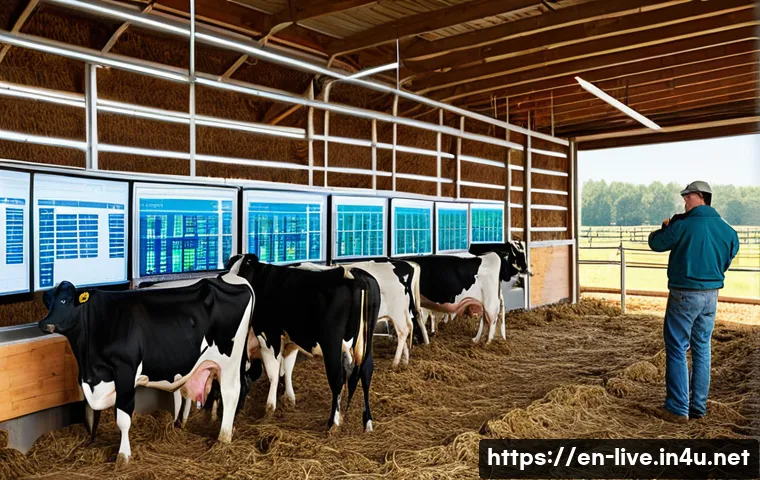
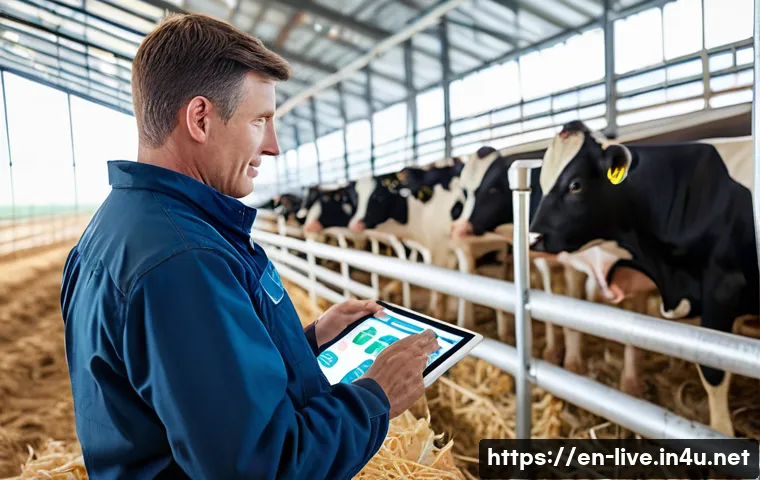
You know, for a long time, the idea of “smart farming” felt like something out of a sci-fi movie to me. But after seeing some of these technologies in action, and even implementing a few on my own operation, I’m a true believer. We’re talking about things like remote sensors that monitor pasture growth, individual animal tags that track movement and health metrics, or even automated feeding systems that precisely deliver rations. I remember one season where our labor costs for checking distant pastures were significant. Investing in a simple drone for aerial surveillance allowed us to monitor forage conditions and animal distribution far more efficiently, saving us countless hours and fuel. It’s not about adopting every gadget out there, but strategically choosing technologies that address your specific pain points and offer a clear return on investment. These tools don’t replace your expertise; they enhance it, providing you with real-time data and insights that allow for more informed and proactive decision-making. Leveraging these innovations is about working smarter, not harder, leading to better resource management and ultimately, a more profitable and sustainable farm.
Evolving Ethical Standards and Consumer Expectations
The conversation around how we raise our animals is constantly evolving, and I’ve found that staying ahead of these ethical considerations isn’t just good for public perception; it’s fundamental to the long-term viability of my farm. Consumers are increasingly concerned with animal welfare, environmental stewardship, and the overall ethics of food production. This means understanding and, where possible, exceeding standards for things like humane handling, living conditions, and responsible use of antibiotics. I recall attending a consumer panel where the depth of concern over specific practices really opened my eyes. It underscored that simply meeting minimum requirements might not be enough in the future. It’s about being proactive in adopting practices that not only ensure excellent animal welfare but also resonate with the values of the discerning consumer. This might mean exploring alternative housing systems, transitioning to certified humane programs, or investing in practices that reduce your environmental footprint. It’s a journey of continuous improvement, driven by a commitment to responsible farming that benefits the animals, the environment, and ultimately, the perception and profitability of your farm.
| Focus Area | Key Benefits for Livestock Producers | Considerations for Implementation |
|---|---|---|
| Sustainable Grazing | Reduced feed costs, improved soil health, increased animal health, environmental benefits. | Initial learning curve, careful planning of rotations, investment in fencing. |
| Animal Behavior | Reduced animal stress, improved welfare, easier handling, enhanced productivity. | Requires keen observation, patience, and a shift in handling techniques. |
| Business Acumen | Increased profitability, better financial stability, strategic growth opportunities. | Requires dedication to financial literacy, market research, and business planning. |
| Innovative Nutrition | Optimized growth rates, improved feed efficiency, better animal health. | Needs regular feed analysis, potentially specialized supplements, ongoing education. |
| Biosecurity Planning | Prevents disease outbreaks, protects herd health, reduces economic losses. | Strict protocols, consistent adherence, initial investment in preventative measures. |
| Future Technologies & Ethics | Enhanced efficiency, improved welfare, adaptation to consumer demands, long-term sustainability. | Careful selection of relevant tech, continuous learning, alignment with evolving ethics. |
Closing Remarks
Whew, what a journey we’ve taken through the evolving world of livestock farming! I genuinely hope you’ve found these insights as valuable as I have in my own operations. It’s truly amazing how every piece of the puzzle – from the grass underfoot to the market trends shaping consumer choices – connects to create a thriving, resilient farm. For me, it all boils down to a commitment to continuous learning, a deep respect for our animals and the land, and a willingness to adapt. Remember, every small step you take towards better grazing, sharper business sense, or smarter biosecurity isn’t just improving your farm; it’s shaping the future of agriculture for the better. Keep experimenting, keep learning, and most importantly, keep nurturing that passion for what you do! There’s nothing quite like seeing your hard work pay off in healthy animals and a vibrant landscape.
Useful Information to Know
1. Always prioritize your soil health; it’s the undisputed foundation for everything, from nutrient-rich forage to the overall well-being of your animals. Healthy soil translates directly to a healthier bottom line and a more resilient farm ecosystem.
2. Take the time to simply observe your livestock. Their subtle behaviors and interactions will offer invaluable insights into their health, comfort levels, and social dynamics, often revealing issues long before they become critical.
3. Don’t shy away from the business side of farming. Truly understanding your financial statements, cost of production, and market forecasts is just as crucial as knowing how to care for your herd – it empowers strategic growth.
4. The science of animal nutrition is constantly evolving, so commit to continuous learning about feed strategies, forage quality, and smart supplementation to optimize performance and minimize expensive waste.
5. Implement robust biosecurity measures proactively, well before any threats emerge. An ounce of prevention in disease management is truly worth a pound of cure, safeguarding your animals and your financial stability.
Key Takeaways
Ultimately, successful livestock farming in today’s dynamic world is a masterful blend of time-honored wisdom and cutting-edge innovation, all guided by an unwavering ethical compass. It’s about more than just raising animals; it’s about being a dedicated steward of the land, a keen and empathetic observer of your animals, a savvy and forward-thinking business owner, and most importantly, a lifelong learner. Embrace continuous improvement in every facet of your operation, leverage every piece of knowledge you gain, and strive to build systems that are not only robust and economically sound but also profoundly humane and environmentally sustainable. Your unwavering dedication to these principles will not only ensure your farm’s enduring prosperity but also contribute significantly and positively to the broader agricultural community and the future of food production.
Frequently Asked Questions (FAQ) 📖
Q: With so many fantastic resources out there, how do I know if these particular book recommendations are truly a good fit for my specific livestock operation or where I am in my farming journey?
A: Oh, I totally get that feeling! It’s like walking into a massive bookstore and not knowing where to start, right? What I’ve found, and why I’ve poured so much thought into this list, is that each book really offers a unique lens.
Some are absolutely perfect for folks just dipping their toes into the water – maybe you’re thinking about a few backyard chickens or starting a small goat herd.
They’ll walk you through the absolute essentials, from breed selection to basic health and nutrition. Then, there are others geared towards the seasoned pros, the ones looking to optimize their feed conversion ratios, dive deep into advanced genetics, or even explore niche markets for specialty products.
What’s amazing is that even if a book isn’t 100% aligned with your exact species, the core principles of farm management, animal welfare, and market savvy are so often transferable.
I’ve personally grabbed insights from a book on dairy cattle that revolutionized my approach to pasturing my sheep, leading to healthier animals and noticeably less feed expense – which, let’s be real, is always a win for the budget!
The key is to find the one that sparks that “aha!” moment for you and addresses the questions keeping you up at night.
Q: You mentioned that these books are “game-changers” and can “boost your bottom line.” How exactly can reading a book translate into real, tangible profits for my livestock operation?
A: That’s the million-dollar question, isn’t it? And trust me, I’ve seen it happen time and time again. It’s not about magic; it’s about knowledge leading to smarter decisions.
Think about it this way: a single chapter on pasture rotation could teach you how to significantly improve your soil health, which means richer forage, happier animals, and less need for expensive supplemental feeds.
That’s money saved directly. Or, imagine learning about a new, more efficient breeding program that increases your kidding or calving rates and reduces mortality.
More healthy offspring mean more animals to sell, boosting your revenue. I vividly remember implementing a direct-to-consumer marketing strategy I picked up from one of these reads.
Suddenly, I wasn’t just selling to a middleman; I was connecting directly with my customers, building a brand, and getting premium prices for my products.
That move alone increased my gross sales by over 30% in a single year! These books aren’t just theory; they’re packed with proven strategies that, when applied, can absolutely optimize your operations, minimize waste, and unlock new income streams.
It’s truly an investment in your farm’s financial future.
Q: In a world that’s constantly changing, with new technologies and increasing focus on sustainability, are these books truly current? Or will I just be reading about outdated methods?
A: That’s a brilliant question, and one I ask myself constantly when I’m sifting through potential recommendations! The beauty of this curated list is that I’ve made a real point of including titles that are either timeless in their foundational wisdom and have stood the test of time, or, crucially, are incredibly up-to-date with the latest advancements.
We’re talking about books that dive deep into regenerative agriculture practices, exploring how to build resilient ecosystems and improve animal welfare in ways that benefit both your farm and the planet.
Many address the exciting world of precision livestock farming, showing you how technology can make your operations smarter, more efficient, and even more profitable.
You’ll find insights into navigating evolving consumer demands for ethically raised products, understanding new market trends, and adapting to climate challenges.
I wouldn’t recommend anything that felt like a relic from a bygone era; my goal is to arm you with the freshest, most actionable intelligence to keep your farm thriving and future-proof.
It’s all about staying ahead of the curve, not just keeping pace.