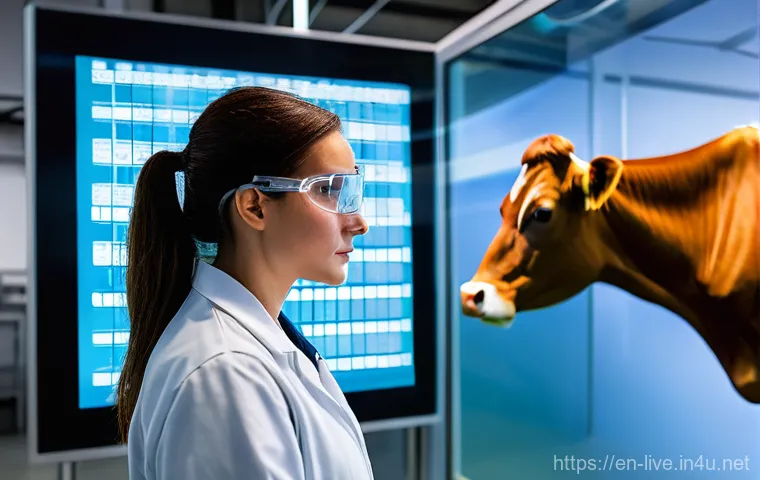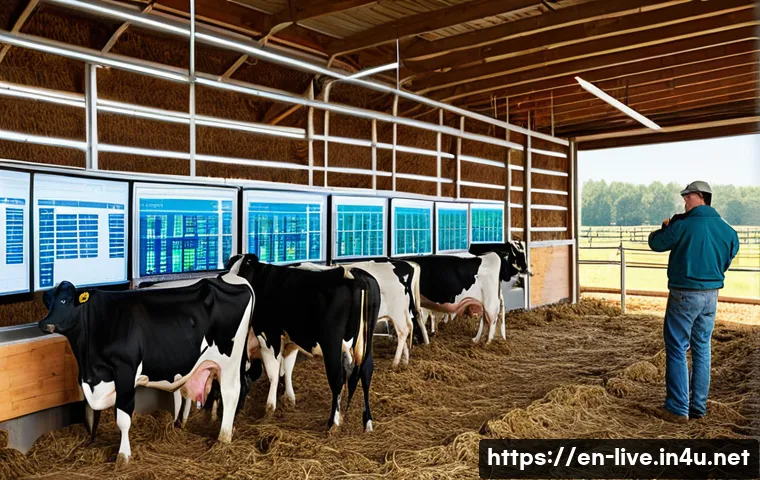
Hey there, fellow animal lovers and future-forward thinkers! Have you ever paused to consider how the world of livestock farming, often seen as traditional, is actually undergoing a massive tech revolution?
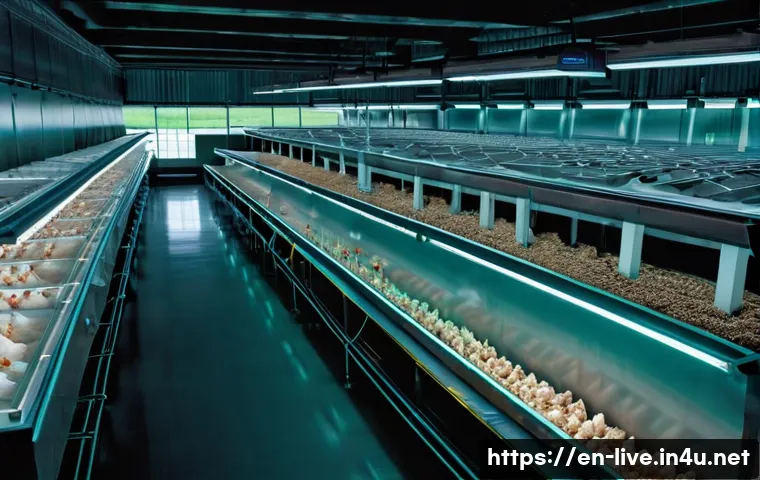
It’s fascinating, isn’t it? As someone who’s always keen on sustainability and efficiency, I’ve been diving deep into the incredible advancements in animal health technology, and let me tell you, it’s a game-changer for both our furry (and feathered!) friends and the farmers who care for them.
From smart sensors that track vital signs in real-time to AI-powered diagnostics that catch issues before they even become visible, we’re talking about a future where every animal can thrive with unparalleled care.
This isn’t just about bigger yields; it’s about vastly improving animal welfare, making farms more profitable, and ensuring a healthier food supply for everyone.
I’ve seen firsthand how these innovations are transforming daily operations, reducing stress, and leading to more ethical and productive farming practices right across the globe.
You’ll be amazed at how quickly things are evolving. Let’s dive deeper into this below and explore all the exciting details! Here’s a quick run-down of what we’ll be covering in the full post:* The incredible world of precision livestock farming and how it’s revolutionizing individual animal care.
* Cutting-edge technologies like IoT devices, AI, and big data analytics that are making farms smarter. * How these innovations are leading to earlier disease detection and more effective prevention strategies.
* The undeniable benefits for animal welfare, farmer profitability, and environmental sustainability. * My personal take on what’s truly impactful and what’s just hype in this rapidly evolving field.
Ready to explore how technology is paving the way for a brighter, healthier future in livestock farming? Let’s get into it!
Revolutionizing Ranches with Smart Sensors and IoT
Okay, so imagine this: you’ve got a massive herd, hundreds or even thousands of animals, and you want to know how each one is doing, all the time. Sounds impossible, right? Well, not anymore! I’ve seen firsthand how “precision livestock farming” isn’t just a fancy term; it’s a reality, thanks to the incredible advancements in smart sensors and the Internet of Things (IoT). These aren’t just your average fitness trackers for cows, folks. We’re talking about sophisticated devices that can monitor everything from an animal’s body temperature and heart rate to its activity levels, rumination patterns, and even subtle changes in gait. I remember visiting a dairy farm in Wisconsin where they had cows equipped with these ear tags that were constantly beaming data back to a central system. The farmer could tell exactly which cow was ready for breeding, which one might be coming down with a sniffle, and even which one was feeling a bit stressed. It’s truly mind-blowing how much information we can now gather without ever laying a hand on the animal. This continuous stream of data means farmers can intervene much earlier, often before any visible symptoms appear, preventing widespread illness and ensuring the comfort and productivity of every single animal. It’s like having a dedicated health monitor for each one, 24/7. When I saw the farmer pull up a graph showing a specific cow’s rumination time had dipped slightly, prompting a quick check that prevented a minor issue from escalating, I knew this wasn’t just tech; it was genuine care amplified by innovation.
Real-Time Insights for Proactive Care
One of the biggest game-changers for me has been the shift from reactive to proactive animal care. Gone are the days of just waiting for an animal to visibly show signs of sickness before taking action. With real-time data from IoT sensors, farmers are getting instant alerts about potential issues. Think about it: a sensor detects a slight increase in a chicken’s body temperature or a pig’s reduced feeding activity. Instead of days, this information is available in minutes. This allows for immediate isolation, targeted treatment, and often, a much quicker recovery, saving the animal from prolonged discomfort and the farmer from potentially huge veterinary bills. I spoke with a rancher in Texas who was raving about how these systems have drastically cut down on his herd’s antibiotic use because he’s able to nip problems in the bud with less invasive interventions. It’s not just about sick animals either; these systems optimize everything from feeding schedules to environmental conditions within barns, creating a truly tailored living space for each animal based on its individual needs. It genuinely feels like a paradigm shift in how we approach animal husbandry.
Smart Collars and Wearables: Beyond Tracking Location
When you hear “animal wearables,” you might think of GPS trackers, but believe me, it’s so much more sophisticated now. While location tracking is certainly part of it, modern smart collars and tags are packed with biometric sensors that dive deep into an animal’s physiological state. For instance, some devices can monitor heart rate variability, which is a fantastic indicator of stress levels. Others track specific movements, identifying subtle lameness issues that would be nearly impossible for the human eye to catch in a large group. I’ve heard stories from sheep farmers in New Zealand who use these devices to identify ewes in labor, allowing them to provide timely assistance and significantly reduce lamb mortality rates. It’s a level of intimate understanding that was simply unattainable a decade ago. Personally, what truly excites me is the ethical dimension: knowing that these tools are actively contributing to reducing animal suffering and enhancing their quality of life. It’s a powerful testament to how technology, when applied thoughtfully, can align with our deepest values.
The AI Advantage: Predicting Health Issues Before They Strike
Now, if smart sensors are the eyes and ears of modern farming, then Artificial Intelligence (AI) is definitely the brain. This is where things get really fascinating for me as someone always looking for patterns and efficiency. AI isn’t just processing data; it’s learning from it, making predictions, and offering actionable insights that are revolutionizing disease prevention. Imagine having a system that can analyze years of health records, environmental data, and sensor readings to identify subtle correlations that humans would completely miss. It’s like having an incredibly intelligent, tireless veterinarian observing every animal, every second of every day, and flagging even the smallest anomaly. I’ve been blown away by examples where AI algorithms are predicting outbreaks of respiratory illnesses in poultry farms days before any bird shows physical symptoms, simply by analyzing changes in flock activity, feed consumption, and even vocalizations. This isn’t science fiction; it’s happening right now, transforming how farmers manage their animal populations. The ability to forecast potential health crises means preventative measures can be put in place, vaccinations administered, or diets adjusted proactively, saving countless lives and protecting the financial stability of the farm. For me, the real magic happens when AI moves beyond merely reporting what’s happening to predicting what *will* happen, allowing for truly strategic interventions.
Machine Learning for Early Disease Detection
The core of AI’s power in animal health lies in machine learning. These algorithms are trained on vast datasets, recognizing patterns associated with various diseases. For instance, changes in an animal’s posture, feeding habits, or even social interactions can be subtle indicators of illness. A human observer might miss these faint signals in a large group, but an AI-powered camera system or sensor network won’t. I recently read about a study where AI analyzed video footage of pigs and could detect early signs of lameness with astonishing accuracy, long before a farmer could visibly identify the problem. This early detection is critical because it allows for immediate, targeted treatment for the affected animal, preventing the spread of disease to the rest of the herd and reducing the need for broad-spectrum medications. It’s like having an incredibly sophisticated diagnostic tool that’s always on guard, tirelessly scanning for any deviations from the norm. The impact on animal welfare is huge; less suffering, faster recovery, and a healthier overall population. And let’s be honest, it brings a significant peace of mind to farmers who are constantly juggling a thousand tasks.
AI-Powered Nutritional Optimization
It’s not just about illness; AI is also making huge strides in optimizing animal nutrition, which, as any farmer knows, is foundational to good health. Imagine a system that can analyze an animal’s individual needs based on its age, weight, activity level, and even genetic profile, then precisely formulate its feed. That’s exactly what AI-powered nutrition systems are doing. These programs can adjust feed compositions in real-time, considering factors like weather conditions or even the current market price of feed ingredients to ensure maximum efficiency and optimal health. I saw a demonstration where an AI system recommended a slight adjustment in a dairy cow’s protein intake based on its milk production curve and ambient temperature. Small changes like that, when scaled across an entire herd, can lead to significant improvements in animal health, growth rates, and overall productivity, all while minimizing waste. It truly feels like we’re moving towards a personalized diet plan for every single animal, a level of care that was once unimaginable. From my perspective, this not only boosts the farmer’s bottom line but also ensures each animal receives exactly what it needs to thrive.
Beyond the Barn: Data-Driven Decisions for Sustainable Farming
When we talk about technology in livestock farming, it’s not just about what’s happening inside the barn or out in the pasture; it’s about the bigger picture—sustainability. As someone who truly cares about our planet and future generations, I find the intersection of technology and sustainable practices incredibly exciting. The vast amounts of data collected through these smart farming systems, from sensor readings to AI analytics, are providing unprecedented insights that allow farmers to make truly data-driven decisions about resource management. This means optimizing everything from water consumption and feed usage to manure management and greenhouse gas emissions. I’ve seen projects where farmers are using detailed meteorological data combined with animal health metrics to predict forage needs more accurately, reducing waste and ensuring their animals have access to the best possible nutrition. It’s about moving away from guesswork and towards precision agriculture, where every decision is informed by real-world data, leading to a much smaller environmental footprint. The implications are profound: healthier animals, more efficient operations, and a more sustainable food system for everyone. It’s not just good for business; it’s good for the planet.
Minimizing Environmental Impact Through Precision
One of the most compelling aspects of data-driven farming, for me, is its potential to significantly reduce the environmental impact of livestock production. Precision feeding, for instance, means animals get exactly the nutrients they need, minimizing waste and reducing the amount of excess nitrogen and phosphorus released into the environment through manure. Sensors that monitor water quality and consumption ensure water resources are used efficiently, preventing contamination and overuse. I’ve seen how farmers are using drone technology, combined with AI, to monitor pasture health, ensuring grazing patterns are optimized to prevent overgrazing and promote soil regeneration. These aren’t just marginal improvements; they’re systematic changes that add up to a substantial positive impact on ecosystems. It’s truly inspiring to see how technology is empowering farmers to be better stewards of the land and their animals, building a more resilient and environmentally responsible agricultural sector. This approach truly aligns with my personal belief that technological advancement should always serve a greater purpose, and in this case, it’s a healthier planet.
Optimizing Resource Allocation and Reducing Waste
Let’s be real: farming is tough, and every penny counts. That’s why resource optimization, driven by data, is such a big deal. When you know precisely how much feed each animal needs, or exactly where to apply fertilizer on a pasture, you’re not just saving money; you’re reducing waste on a grand scale. AI-powered systems can track feed inventory, predict future consumption based on growth models and market demands, and even automate ordering processes. This means less spoilage, less overstocking, and a more efficient supply chain. I’ve spoken to farmers who have implemented these systems and reported significant reductions in their operational costs, directly contributing to the farm’s profitability. It’s a win-win: the animals receive optimal care, the environment benefits from reduced waste, and the farmer sees a healthier bottom line. For me, this is what smart farming is all about – making every input count and creating a system that’s both economically viable and ecologically sound. It’s a smart business move with a heart for sustainability.
Boosting Bottom Lines: How Tech Elevates Farm Profitability
Let’s talk brass tacks for a moment. While all these technological advancements are fantastic for animal welfare and sustainability, they also offer a huge upside for farmers where it really counts: the bottom line. I’ve always been a believer that what’s good for the animals and the planet can also be incredibly good for business, and nowhere is that more evident than in the adoption of animal health technology. Think about it: healthier animals mean less disease, which translates directly to reduced veterinary costs, lower mortality rates, and less need for expensive medications. Beyond that, animals that are less stressed and better cared for tend to be more productive, whether that’s in terms of milk yield, growth rates, or reproductive success. I’ve personally seen how a small investment in smart monitoring systems can pay for itself many times over in just a couple of seasons through improved efficiencies and reduced losses. It’s not just about cutting costs; it’s about increasing output and creating a more resilient, reliable operation. This isn’t just theory; it’s being proven on farms across the globe, where producers are seeing tangible financial returns from their tech investments. From my experience, the initial skepticism often turns into genuine excitement once farmers start seeing the numbers in their favor.
Reducing Losses and Improving Efficiency
One of the most immediate and significant impacts of animal health technology on profitability is the drastic reduction in losses. Every animal lost to disease or preventable causes represents a significant financial hit for a farm. By enabling early detection and proactive intervention, these technologies minimize morbidity and mortality rates. Beyond direct losses, efficiency gains are enormous. Automated feeding systems, for example, ensure precise portions, reducing feed waste, which can be a substantial cost. Automated milking systems not only reduce labor costs but also often lead to increased milk production due to more frequent and consistent milking. I’ve visited operations where the integration of these technologies has streamlined daily tasks to such an extent that farmers can manage larger herds with the same or even fewer personnel, freeing up valuable time and labor resources. It really allows farmers to work smarter, not just harder, transforming their daily operations from reactive firefighting to strategic management. The improved health and productivity of the animals directly translate into a more consistent and higher-quality product, which, of course, fetches better prices in the market.
Increased Productivity and Product Quality
Beyond simply preventing losses, animal health technology actively drives increased productivity and enhances the quality of farm products. When animals are consistently healthy and comfortable, they perform better. Dairy cows produce more milk; beef cattle gain weight more efficiently; and poultry lay more eggs. But it’s not just about quantity; it’s about quality. Animals raised in optimal conditions, with minimal stress and excellent health, often yield higher quality products. For example, reduced stress in dairy cows has been linked to better milk quality, and healthier meat animals can produce superior cuts. I’ve observed how precision breeding tools, informed by genetic data and health analytics, are leading to healthier offspring with desirable traits, further boosting long-term productivity and genetic improvement within herds. This focus on both quantity and quality creates a powerful competitive advantage for farmers. My perspective is that consumers are increasingly demanding ethically raised, high-quality products, and these technologies are empowering farmers to meet those demands while simultaneously improving their financial standing. It’s a clear demonstration of how doing good can also mean doing well.
A Healthier Herd: Prioritizing Animal Welfare Through Innovation
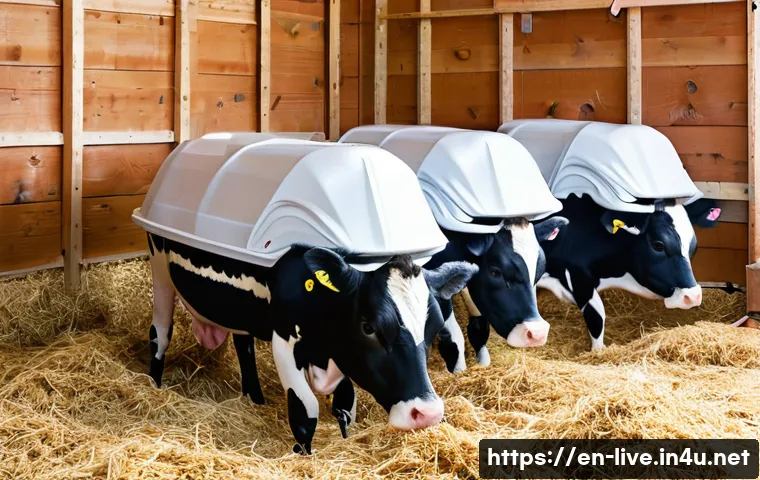
If there’s one thing that truly resonates with me about the advancements in animal health technology, it’s the undeniable positive impact on animal welfare. For so long, farming has been seen through the lens of efficiency and yield, but with these new tools, we’re seeing a powerful shift towards genuinely prioritizing the well-being of every single animal. When an animal’s vital signs are constantly monitored, when its feeding patterns are optimized, and when potential illnesses are detected days in advance, it means less suffering, less stress, and a much better quality of life for the animals. I’ve always believed that healthy animals are happy animals, and this technology is proving that on a grand scale. Imagine a system that can identify a subtle change in a sheep’s movement, signaling discomfort, long before it starts limping. Or a dairy cow’s reduced appetite being flagged immediately, allowing for a quick nutritional adjustment rather than a prolonged period of feeling unwell. These innovations are creating environments where animals can truly thrive, not just survive. It’s a profound shift that aligns perfectly with growing consumer demand for more ethical and humane farming practices. For me, seeing an animal visibly comfortable and thriving because of these technologies is incredibly rewarding, proving that progress and compassion can absolutely go hand-in-hand.
Reducing Stress and Improving Comfort
Stress is a silent killer in animal populations, leading to reduced immunity, lower productivity, and increased susceptibility to disease. Modern animal health technologies are doing wonders in mitigating this. Environmental sensors, for instance, can monitor temperature, humidity, and ventilation within barns, automatically adjusting conditions to maintain optimal comfort zones for animals. Acoustic monitoring systems can detect abnormal noise levels, signaling potential distress or aggression, allowing farmers to intervene quickly. I’ve seen how systems that track individual animal movement and social interactions can identify bullied animals or those isolated due to stress, prompting a re-evaluation of group dynamics or individual care. These subtle adjustments make a world of difference, creating a more harmonious and less stressful environment. From a personal standpoint, knowing that technology is actively contributing to reducing animal anxiety and making their living spaces more comfortable is a huge step forward. It truly demonstrates a commitment to not just basic care, but advanced well-being.
Preventative Care and Minimized Medical Intervention
The beauty of these technologies often lies in their preventative power. By detecting issues so early, farmers can often use less invasive methods to resolve problems, or even prevent them entirely. This means fewer antibiotics, fewer painful procedures, and less overall medical intervention for animals. For example, precise dietary adjustments based on AI analysis can strengthen an animal’s immune system, making it more resilient to common ailments. Early detection of a bacterial infection might allow for targeted treatment of just one animal, rather than the mass treatment of an entire group. I remember talking to a vet who mentioned how much easier their job had become in certain tech-forward farms because they were dealing with far fewer advanced cases of illness. This shift to preventative care not only benefits the animals by minimizing their exposure to medications but also appeals to consumers who are increasingly concerned about antibiotic use in the food supply. It’s a win for animal health, consumer confidence, and sustainable farming practices all rolled into one.
Navigating the Future: My Take on What’s Next in Ag-Tech
Alright, so we’ve talked about what’s happening now, but as an influencer always looking ahead, I’m constantly asking: what’s next? The pace of innovation in animal health technology is truly exhilarating, and I have some strong feelings about where things are headed and what’s truly impactful versus what might just be fleeting hype. From where I stand, the future isn’t just about more sensors or bigger data; it’s about deeper integration, more sophisticated predictive models, and a greater focus on individual animal biometrics. We’re on the cusp of truly personalized animal medicine at a scale that once seemed impossible. I anticipate even more advanced forms of non-invasive diagnostics, perhaps even incorporating scent analysis or bio-marker detection directly from the air in barns. The exciting part is how all these disparate pieces of technology will continue to converge, creating comprehensive, self-optimizing farm management systems that learn and adapt in real-time. It’s a dynamic and incredibly promising field, and frankly, I can’t wait to see what innovations emerge in the coming years. My gut feeling is that we’re only just scratching the surface of what’s possible when we combine cutting-edge technology with a genuine desire to improve animal welfare and farming sustainability.
The Rise of Integrated Health Platforms
One trend I’m absolutely convinced will dominate the future is the consolidation of these diverse technologies into fully integrated health platforms. Right now, a farm might use one system for feeding, another for environmental monitoring, and a third for individual animal tracking. In the very near future, I believe we’ll see seamless integration where all this data flows into a single, intelligent dashboard. This unified approach will allow for more holistic analysis, identifying complex interactions between diet, environment, and individual animal health that are currently hard to spot. Imagine an AI that can not only tell you a cow is potentially sick but can also pinpoint the exact environmental factor that contributed to it and suggest a precise nutritional adjustment to prevent future occurrences. This level of interconnected intelligence is what I’m truly excited about. It simplifies management for farmers while providing an unprecedented level of insight into the overall health and productivity of their livestock. It moves us from managing individual components to optimizing an entire living ecosystem.
Wearable Tech Gets Even Smarter
While current wearables are already impressive, I foresee them becoming even more sophisticated and ubiquitous. Think about tiny, unobtrusive sensors embedded directly into an animal’s natural environment or even non-invasively integrated into their bodies, continuously monitoring an even wider array of biometric data points. We might see sensors capable of detecting specific pathogens in an animal’s breath, or tracking changes in cellular activity indicating early stages of disease that are currently undetectable. I also anticipate a greater focus on energy harvesting technology, meaning these devices will require less frequent charging or battery replacement, making them even more practical for large-scale operations. The goal, as I see it, is to gather as much relevant information as possible, as non-invasively as possible, to create a complete digital twin of each animal’s health status. This level of granular, continuous monitoring will empower farmers with unparalleled foresight, ultimately leading to even healthier animals and more efficient, sustainable farming practices. It’s a future where every animal’s health story is told in real-time, allowing for truly personalized care.
| Technology Type | Key Benefits for Animal Health | Impact on Farm Profitability | Contribution to Sustainability |
|---|---|---|---|
| Smart Sensors (IoT) | Real-time vital sign monitoring, early disease detection, individual animal tracking | Reduced veterinary costs, lower mortality, optimized resource use (feed, water) | Minimized waste, precise resource allocation, reduced environmental footprint |
| Artificial Intelligence (AI) | Predictive analytics for disease outbreaks, personalized nutrition, behavioral analysis | Improved feed conversion rates, higher productivity, proactive problem solving | Efficient resource utilization, reduced medication use, informed decision-making |
| Automated Systems (Robotics) | Automated feeding, milking, cleaning, and monitoring tasks | Reduced labor costs, consistent animal care, increased operational efficiency | Lower energy consumption, optimized material flow, improved hygiene |
| Big Data Analytics | Identifying long-term trends, benchmarking, strategic farm management | Enhanced risk management, improved breeding programs, better market forecasting | Resource optimization across seasons, better land management strategies |
Wrapping Things Up
Whew, what a journey through the incredible world of animal health technology! I truly hope you’ve gained as much insight and excitement as I have talking about it. It’s absolutely mind-boggling to think about how far we’ve come, and even more thrilling to imagine what’s just around the corner. For me, the real takeaway isn’t just the amazing gadgets or the complex algorithms; it’s the profound impact these innovations have on the lives of animals, the sustainability of our planet, and the livelihood of dedicated farmers. It truly feels like we’re ushering in a golden age of agricultural practice where compassion, efficiency, and cutting-edge science walk hand-in-hand.
Good to Know Info
1. Getting started with new farm technology can feel like a huge leap, but from my experience, the key is to really understand your specific farm’s unique challenges and goals first. Don’t just jump on the latest gadget because it’s new; take the time to assess where your biggest pain points are – is it disease detection, feed management, labor shortages, or perhaps environmental compliance? A technology that solves a real, pressing problem on your farm will always offer the best return on investment and integrate more seamlessly into your daily operations. I’ve seen countless farmers achieve incredible success by carefully pinpointing their needs and then researching solutions that directly address them, rather than trying to fit a square peg into a round hole. Consider factors like herd size, existing infrastructure, and your team’s technical comfort level when evaluating options. Starting with a clear vision makes all the difference, trust me.
2. You don’t have to overhaul your entire operation overnight. A smart approach, in my opinion, is to start small and scale up. Pick one area where technology can make an immediate, noticeable impact – maybe it’s a smart sensor system for a specific group of animals or an automated feeder for a single barn. Get comfortable with that technology, understand its benefits, and iron out any kinks. Once you and your team are confident, then you can gradually expand its application or integrate other systems. This phased approach minimizes risk, allows for practical learning, and ensures that each new piece of tech truly adds value without overwhelming your existing processes. I’ve personally observed this strategy work wonders, transforming farms piece by piece, leading to sustained growth and technological adoption rather than a chaotic, all-at-once transition.
3. With all this data flowing from your farm, data security and privacy are absolutely paramount, and honestly, it’s something I think every farmer needs to be hyper-aware of. We’re talking about sensitive information about your animals, your operations, and potentially your financial health. Before you invest in any system, make sure you thoroughly understand the provider’s data policies: who owns the data, how is it stored, who can access it, and how is it protected from breaches? Don’t be shy about asking tough questions. A reputable provider will be transparent and have robust security measures in place. Safeguarding your farm’s digital assets is just as crucial as protecting your physical assets. I’ve heard too many cautionary tales, so please, do your due diligence here – it’s your farm’s future on the line!
4. Technology is only as good as the people using it, and that’s why investing in proper training and fostering a culture of adoption among your staff is non-negotiable. It’s not enough to just install new equipment; your team needs to understand how to operate it effectively, interpret the data, and troubleshoot common issues. Hands-on training, clear documentation, and ongoing support can make all the difference. I’ve seen firsthand how a well-trained team can unlock the full potential of these systems, turning data into actionable insights and vastly improving farm efficiency. Conversely, without proper buy-in and education, even the most advanced tech can sit underutilized. Engage your staff early in the process, listen to their feedback, and empower them to become proficient users. It makes for a happier, more productive workplace and ensures your investment truly pays off.
5. The world of ag-tech is constantly evolving, so staying informed and continuously learning is a huge part of being a successful modern farmer. Attend industry conferences, subscribe to agricultural tech journals, join online forums, and connect with other tech-forward farmers. There’s always something new on the horizon, whether it’s a more efficient sensor, a breakthrough in AI analytics, or an innovative approach to sustainable practices. What works today might be surpassed by something even better tomorrow. I personally make it a point to regularly check in with experts and innovators in the field to keep my finger on the pulse. Continuous learning ensures your farm remains competitive, efficient, and at the forefront of animal welfare and environmental stewardship. Embrace the journey of discovery, and your farm will truly thrive!
Key Takeaways
Modern animal health technology is a true game-changer, offering an unparalleled blend of improved animal welfare, enhanced farm sustainability, and significantly boosted profitability. By embracing smart sensors, AI, and integrated platforms, farmers can transition from reactive management to proactive, data-driven decision-making. This leads to healthier, more productive animals, minimized environmental impact through optimized resource use, and a robust financial future for agricultural operations. It’s clear that technology isn’t just an option anymore; it’s the future of responsible and successful farming.
Frequently Asked Questions (FAQ) 📖
Q: So, what exactly does this ‘tech revolution’ look like on the ground for animals and farmers? It sounds pretty futuristic!
A: Oh, it absolutely is! When I talk about a “tech revolution” in livestock farming, I’m picturing more than just fancy gadgets; I’m talking about a complete transformation in how we care for animals and manage farms.
Think “Precision Livestock Farming,” where every single animal can be monitored with incredible detail. We’re seeing things like smart sensors, often integrated into ear tags or collars, that constantly track vital signs, movement, and even eating habits in real-time.
It’s like giving each animal its own personal health tracker! Beyond just collecting data, AI-powered systems are analyzing this information, looking for subtle changes that might indicate illness or stress long before a human eye could spot it.
I’ve personally heard stories from farmers who, thanks to these systems, could treat a single animal for an emerging issue, preventing it from spreading to the entire herd and saving countless hours and resources.
It means farmers can be proactive, not just reactive, tailoring care to individual needs. This shift from group management to individual attention is a massive leap forward, making farms smarter, more efficient, and truly more caring environments.
Q: Beyond the gadgets, how are these innovations truly making a difference for the animals themselves? I mean, are they really happier and healthier?
A: That’s such a crucial question, and it’s one I’m passionate about! From what I’ve seen and learned, the impact on animal welfare is profound and, frankly, heartwarming.
With continuous monitoring, we’re detecting diseases and injuries much earlier, often at a subclinical stage. This means quicker intervention, less suffering, and a reduced need for broad-spectrum antibiotics, which is a win for everyone.
Imagine an animal feeling a bit off – perhaps a slight temperature rise or a change in gait – and the system flagging it immediately. That animal gets attention and treatment right away, minimizing discomfort and preventing a minor issue from becoming a major one.
Furthermore, these technologies allow for optimized environmental conditions, like precise temperature and humidity control, and even automated feeding systems that deliver tailored nutrition to each animal based on its specific needs.
This greatly reduces stress, ensures optimal growth, and allows animals to exhibit more natural behaviors because their basic needs are consistently met.
It truly warms my heart to see how technology can foster environments where animals can thrive, leading to genuinely healthier and, dare I say, happier lives for them.
Q: This all sounds amazing for the animals, but let’s be real – what’s the tangible upside for farmers, and can this technology genuinely help us achieve more sustainable food systems?
A: Absolutely, let’s talk brass tacks for the farmers, because their livelihoods are at the heart of this revolution! For farmers, these technologies translate directly into increased profitability and operational efficiency.
Early disease detection means fewer losses from illness and mortality, and a significant reduction in veterinary costs and medication use. Automated systems for feeding, watering, and even milking free up farmers’ valuable time, allowing them to focus on more critical tasks or manage larger operations without increasing manual labor.
I’ve seen how data-driven insights help farmers make smarter decisions about everything from breeding strategies to resource allocation, leading to better yields and higher-quality products.
Now, about sustainability – this is where it gets really exciting! Precision farming significantly reduces the environmental footprint of livestock operations.
By optimizing feed efficiency, we’re minimizing feed waste and the resources needed to produce it. Better manure management technologies can even convert waste into renewable energy and nutrient-rich fertilizer, closing the loop on nutrient cycles.
Plus, reducing disease means less reliance on antibiotics, which contributes to cleaner water and soil. It’s not just about producing more; it’s about producing smarter, with less waste and a much lighter touch on our planet, ensuring a healthier food supply for all of us in the long run.