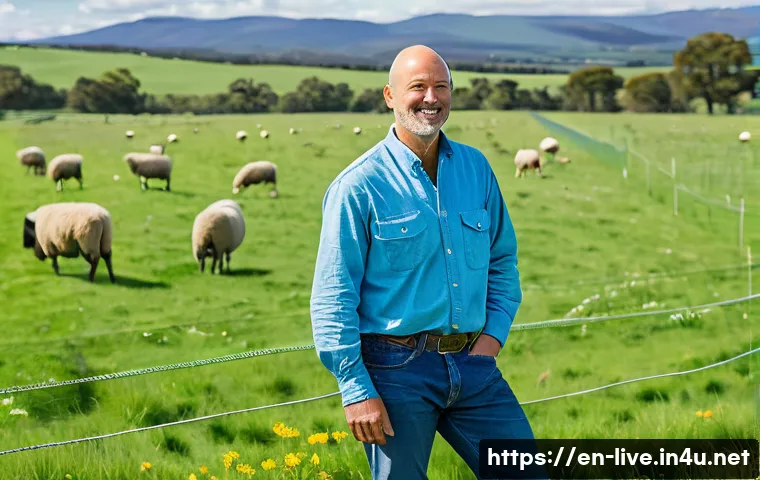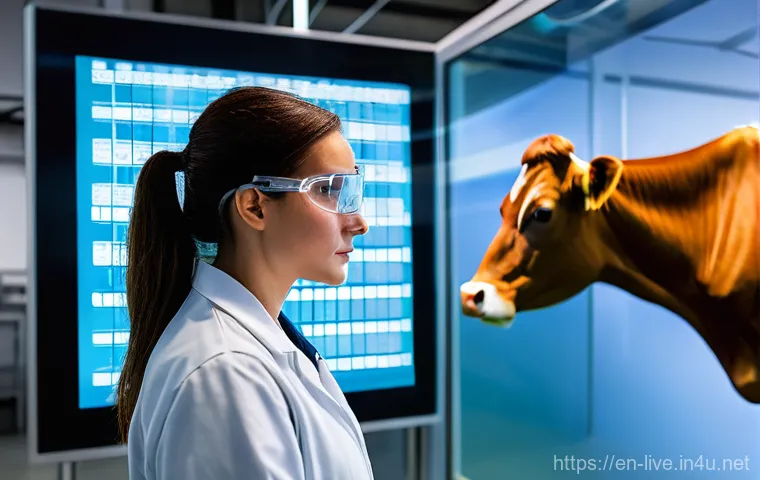
Hey there, wonderful readers! Have you ever found yourself dreaming of a career that’s not just a job but a true calling, one that brings you closer to nature and makes a tangible difference in the world?
Let me tell you, stepping into the realm of animal husbandry can be incredibly rewarding, far beyond what many initially imagine. It’s a field I’ve personally explored and seen evolve, witnessing the passion and dedication it demands, alongside the immense satisfaction it offers.
Forget any outdated notions you might have; today’s animal husbandry is a vibrant, tech-infused landscape, constantly innovating to meet global demands for sustainable, ethical, and high-quality food.
We’re talking about everything from advanced genetics and precision livestock farming to groundbreaking research in animal welfare and cutting-edge agritech solutions.
This industry is experiencing a surge in demand for skilled professionals who can navigate these new areas, from agronomists developing improved crop yields to specialists ensuring organic certification.
It’s a path that requires grit, compassion, and a surprising amount of scientific know-how, but believe me, the impact you can make is profound. Navigating this evolving industry can feel a bit overwhelming, especially when trying to pinpoint where your unique skills and passions fit best.
For instance, the demand for veterinarians is skyrocketing, making it Indeed’s top job for 2025, driven by increasing pet ownership and advancements in animal health.
There are also burgeoning opportunities in sustainable agriculture, focusing on practices that meet current needs without compromising future generations, with roles spanning research, farm management, and policy.
While there’s a global shift towards plant-based diets that might reshape traditional farming jobs by reducing the need for labor in animal production, it’s simultaneously increasing demand in horticulture and food services, highlighting the need for adaptable skills.
That’s why I’m so excited to share what I’ve learned and observed about the incredible diversity of roles available today. Whether you’re drawn to hands-on farm management, veterinary science, agricultural technology, or even policy and advocacy, there’s a place for you to thrive and truly make your mark.
Ready to explore the fascinating world of animal husbandry careers and uncover a path that’s truly right for you? Let’s dive deeper into all the exciting possibilities and discover what this incredible journey holds!
Beyond the Barn: The Modern Face of Animal Care Careers
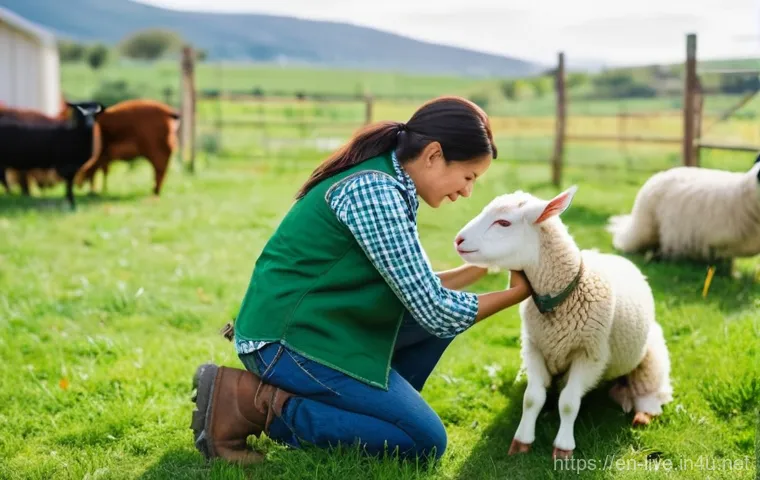
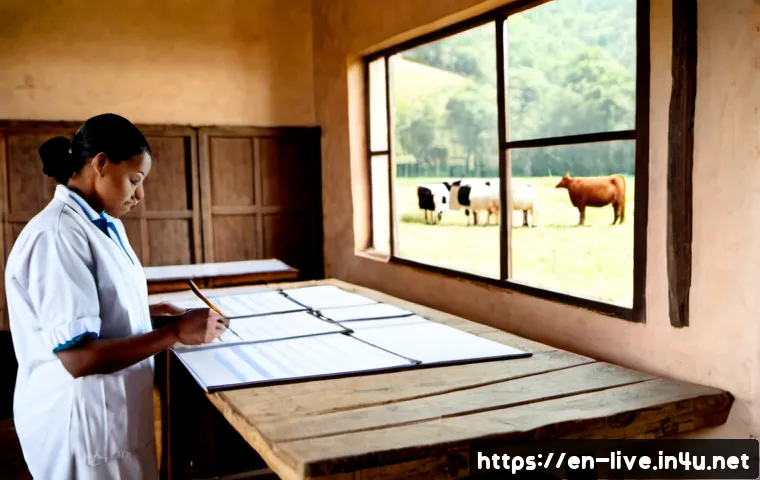
When I first thought about a career in animal husbandry, my mind immediately went to traditional farming – barns, tractors, and early mornings. And while those elements are certainly still vital, let me tell you, the field has exploded into something far more diverse and dynamic than I ever imagined. It’s no longer just about raising livestock; it’s about a holistic approach to animal well-being, environmental stewardship, and cutting-edge technology. I’ve spoken with so many folks who, like me, were initially surprised by the sheer breadth of opportunities available today. From geneticists optimizing breeding programs to data scientists analyzing animal health metrics, the roles are incredibly varied. It’s a career path that genuinely challenges you to think critically, adapt to new advancements, and continually learn. If you’ve got a passion for animals and a drive to contribute to a sustainable future, this evolving landscape truly offers a place for almost every skill set. I’ve personally seen how a keen eye for detail in animal behavior can be just as valuable as a degree in veterinary science in certain roles. The industry is constantly seeking out fresh perspectives and innovative thinkers, which is incredibly exciting.
A Shift Towards Specialized Roles
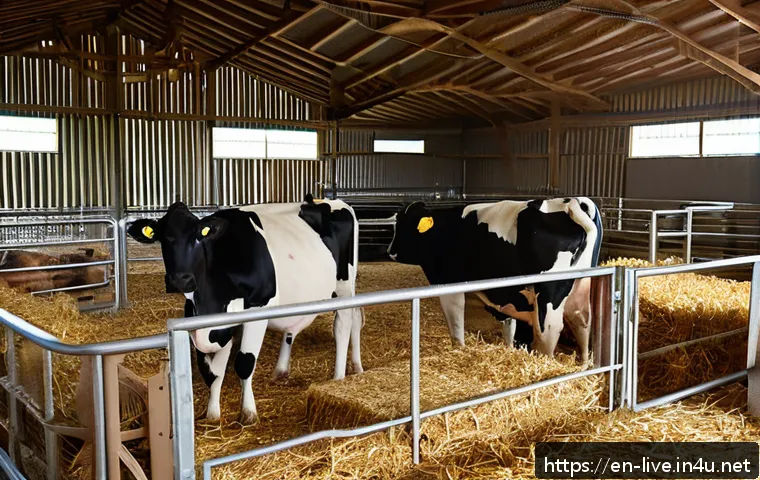
The days of a single “farmer” doing everything are increasingly behind us, particularly in larger operations and research settings. What I’ve observed is a significant move towards specialization. We’re seeing demand for animal nutritionists who formulate bespoke diets, reproductive specialists employing advanced techniques to improve fertility rates, and even environmental consultants ensuring farms operate sustainably and adhere to ecological guidelines. These roles require deep expertise, often gained through higher education and practical experience, but they also command respect and offer substantial impact. I remember visiting a dairy farm where they had a dedicated ‘cow comfort specialist’ – someone whose entire job was to ensure the cows were as stress-free and healthy as possible, which directly correlated to milk production and quality. It really opened my eyes to how detailed and nuanced these careers can be.
Integrating Technology for Better Outcomes
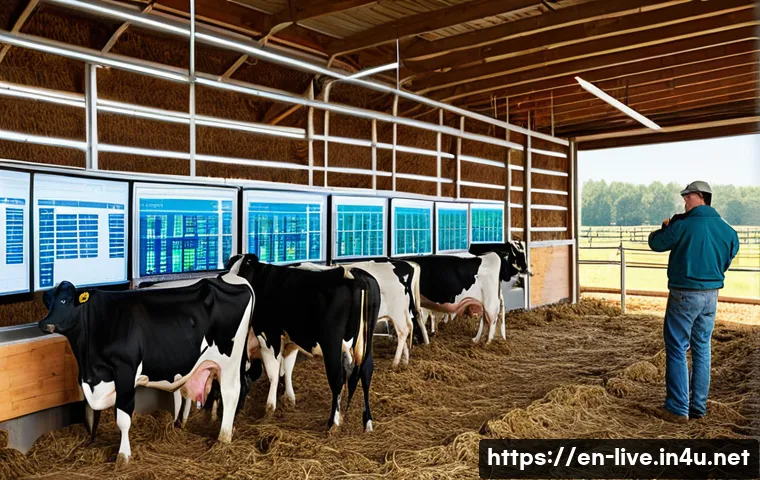
Technology, oh boy, where do I even begin with how much it’s revolutionized animal care! We’re talking about drones monitoring pasture health, wearable sensors tracking individual animal activity and health vitals, and AI-powered systems predicting disease outbreaks before they even start. I’ve seen firsthand how these tools can transform daily operations, making them more efficient, more humane, and ultimately, more profitable. It’s not about replacing human judgment but augmenting it, allowing professionals to make more informed decisions. For anyone fascinated by data, robotics, or software development, there are incredible opportunities to apply those skills directly to animal husbandry. Imagine designing the next generation of automated feeding systems or developing algorithms to optimize herd management. It’s a space where innovation isn’t just a buzzword; it’s a daily reality that improves the lives of animals and the livelihoods of those who care for them.
Cultivating Compassion: Making a Difference in Animal Welfare
Working with animals isn’t just a job; for many of us, it’s a calling rooted in deep compassion. The opportunity to directly improve an animal’s life, whether through hands-on care, advocating for better conditions, or researching humane practices, is incredibly fulfilling. I’ve personally felt that profound sense of purpose when helping an injured animal recover or seeing a neglected one thrive under proper care. This aspect of the field is perhaps the most rewarding, and it’s drawing more and more dedicated individuals who prioritize the well-being of creatures great and small. It’s a challenging path sometimes, requiring emotional resilience and physical stamina, but the emotional dividends are immeasurable. You truly become a voice for the voiceless, and that’s a responsibility many of us cherish deeply. The satisfaction of knowing you’ve made a tangible, positive impact on another living being’s existence is something that stays with you long after the workday is over. It’s more than just a job; it’s a way of life that constantly reminds you of the delicate balance of nature and our role within it.
Ethical Considerations in Modern Practices
As the world evolves, so do our ethical responsibilities towards animals. This isn’t just about avoiding cruelty; it’s about actively promoting practices that ensure animals live lives free from unnecessary stress, pain, and discomfort. I’ve seen discussions around animal welfare move from the fringes to the very core of industry practices, driven by consumer demand and a growing societal conscience. This has opened up roles for ethics specialists, animal behaviorists, and welfare auditors who assess and improve conditions in farms, sanctuaries, and research facilities. It’s a complex area, often involving balancing economic realities with moral imperatives, but it’s essential work. My own journey has taught me that staying informed about best practices and advocating for ethical treatment is paramount, and it’s a constant learning process. We have a moral obligation to treat animals with dignity, and careers focused on upholding this principle are more vital now than ever before.
Advocacy and Policy Shaping the Future
If you’re someone who loves to effect change on a broader scale, then roles in animal welfare advocacy and policy might be your true calling. These professionals work tirelessly to influence legislation, educate the public, and partner with industries to implement more humane standards. It’s a field that requires strong communication skills, a deep understanding of animal science, and a persistent drive to make a difference. I’ve admired the dedication of those working in this space, often facing uphill battles but never losing sight of their mission. Imagine being part of a team that successfully pushes for stronger regulations on animal transport or champions initiatives for responsible pet ownership. The impact of such work extends far beyond individual animals, shaping the entire ecosystem of human-animal interaction for generations to come. It’s about creating systemic change, which, while slower, often leads to the most profound and lasting improvements.
Tech in the Trough: Embracing Innovation in Agri-Tech Roles
Honestly, when I first heard about “agri-tech,” I pictured some kind of fancy tractor. Boy, was I wrong! This sector is absolutely booming, and it’s where some of the most exciting advancements in animal husbandry are happening. We’re talking about a fusion of biology, engineering, and data science that’s completely transforming how we care for animals, manage farms, and ensure sustainability. I’ve been fascinated by how a simple sensor can provide so much insight into an animal’s health or how a well-designed app can streamline an entire farm’s operations. If you’re a tech-savvy individual who also loves animals, this is a goldmine of opportunity. It’s a field that requires not just technical prowess but also a keen understanding of animal needs and agricultural systems. The pace of innovation is incredible, meaning there’s always something new to learn and apply, which keeps the work incredibly engaging and fresh. I often find myself thinking about the potential of these technologies to solve some of the biggest challenges facing the industry today.
Precision Livestock Farming and Data Science
Precision Livestock Farming (PLF) is revolutionary, truly. It’s all about using data and technology to monitor and manage individual animals or small groups, rather than treating a whole herd uniformly. Think of it: individual feeding stations that recognize each animal, automated body condition scoring systems, and even smart cameras that detect subtle changes in behavior indicating illness or stress. I’ve seen farms leverage this data to optimize feed efficiency, predict breeding cycles with incredible accuracy, and drastically reduce the need for prophylactic antibiotics. If you’re into data analytics, machine learning, or software development, your skills are highly coveted here. Imagine building algorithms that analyze thousands of data points to predict the perfect time for a cow to calve or developing a system that alerts a farmer to early signs of respiratory illness in a flock of chickens. It’s about empowering farmers with actionable insights, leading to healthier animals and more efficient operations, a win-win in my book.
Robotics and Automation in Animal Facilities
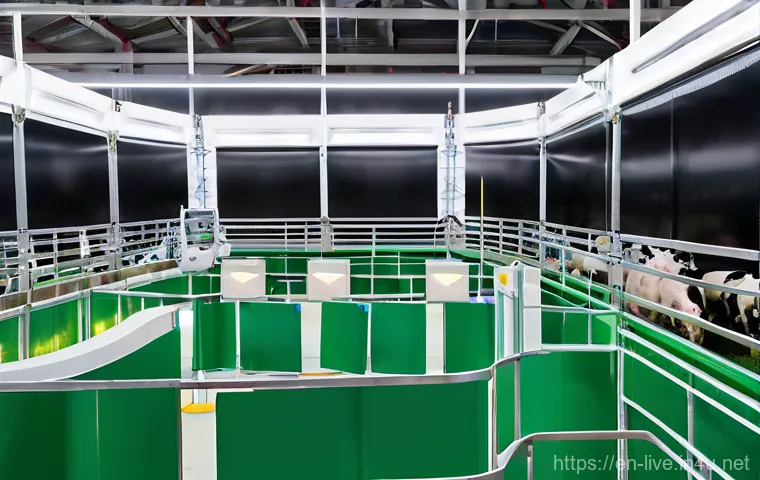
This is where things get really futuristic, but it’s happening right now! Robotics and automation are stepping into roles that are repetitive, labor-intensive, or even dangerous for humans. We’re seeing robotic milking machines that allow cows to be milked on their own schedule, automated feeding systems that precisely deliver customized rations, and even autonomous vehicles for tasks like cleaning barns or moving feed. I remember seeing a robotic arm gently grooming cattle – it was incredible! It not only improves efficiency but also often enhances animal welfare by providing consistent care and reducing stress from human interaction. For engineers, robot designers, or maintenance technicians, the opportunities are immense. You could be designing the next generation of automated systems for poultry houses or developing robotic solutions for aquaculture. It’s a field that promises to make animal husbandry more sustainable and productive, while freeing up human workers to focus on more complex and compassionate tasks. The potential for innovation here is just boundless.
From Farm to Fork: Ensuring Quality and Sustainability
It’s no secret that consumers today are more aware than ever about where their food comes from, how it’s produced, and its impact on the planet. This heightened awareness has fundamentally reshaped the landscape of animal husbandry, creating a huge demand for professionals who can ensure both quality and sustainability throughout the entire supply chain. I’ve personally experienced the shift in consumer preferences, with more people actively seeking out ethically raised and environmentally friendly products. This isn’t just a trend; it’s a permanent change, and it means careers in this area are not only secure but also incredibly impactful. From the moment an animal is born to the food appearing on your plate, there are dedicated individuals ensuring every step meets rigorous standards. It’s a complex dance of regulations, certifications, and consumer expectations, but for those who are passionate about making food systems better, it’s an incredibly rewarding niche to carve out a career. I feel a real sense of pride knowing that my work, or the work of those I’ve seen in this field, contributes to healthier options for families.
Organic Certification and Sustainable Sourcing
The rise of organic and sustainably sourced products has created a whole new industry within animal husbandry. Think about it: someone has to ensure that farms meet the strict criteria for organic certification, or that their practices align with sustainable sourcing guidelines. These roles are critical for consumer trust and for the integrity of these premium markets. I’ve met auditors who spend their days visiting farms, meticulously checking records, feed sources, and animal living conditions to ensure compliance. It’s detailed, important work that requires a strong understanding of both agricultural practices and regulatory frameworks. If you’re someone who thrives on precision, has an eye for detail, and believes passionately in environmentally responsible practices, a career in organic certification or sustainable sourcing could be a perfect fit. It’s about building a better future for food production, one certified farm at a time, and it’s a field where your efforts directly contribute to a healthier planet.
Food Safety and Quality Assurance Careers
Nothing is more critical than the safety of our food supply, especially when it comes to animal products. This is where food safety and quality assurance professionals become absolute superheroes. They work tirelessly to prevent contamination, ensure proper handling, and implement stringent protocols from the farm gate to the processing plant. I’ve seen firsthand the incredible dedication these individuals have, knowing that the health of millions rests on their vigilance. From laboratory technicians conducting pathogen tests to quality control managers overseeing processing lines, these roles are foundational to consumer confidence. It requires a meticulous approach, a strong scientific background, and an unwavering commitment to public health. If you’re detail-oriented and have a passion for protecting consumers, a career in food safety or quality assurance in animal product supply chains offers vital and stable employment. It’s a field where your expertise directly translates into tangible health benefits for everyone.
The Vet’s Life: More Than Just Puppy Kisses
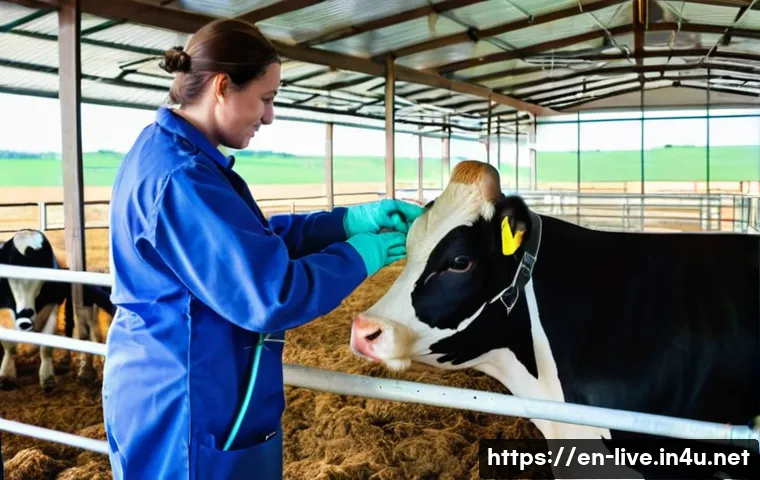
Okay, let’s talk about veterinarians. Most people picture adorable puppies and kittens, and yes, there’s certainly a lot of that, which is wonderful! But the reality of a vet’s life, especially in animal husbandry, is far more complex, challenging, and profoundly impactful. I’ve spent time shadowing vets who work with livestock, and let me tell you, their days are incredibly varied – from performing complex surgeries on a horse in the field to diagnosing herd-wide diseases on a dairy farm. It requires an incredible blend of scientific knowledge, problem-solving skills, and deep empathy. It’s a demanding career, no doubt, with long hours and emotional highs and lows, but the satisfaction of saving an animal’s life or ensuring the health of an entire herd is unparalleled. It truly is a calling, one that combines a passion for animals with rigorous scientific training. I often think about the resilience and dedication these professionals show, constantly adapting to new challenges and advancements in veterinary medicine. They are truly the unsung heroes of the animal world, ensuring the health and well-being of so many creatures.
Here’s a snapshot of some diverse roles you might find in veterinary and animal health:
| Career Path | Key Responsibilities | Typical Work Environment |
|---|---|---|
| Large Animal Veterinarian | Diagnosing and treating illnesses in livestock (cattle, horses, pigs, sheep); performing field surgeries; advising on herd health and nutrition. | Farms, ranches, rural veterinary clinics, on-site at client locations. |
| Veterinary Researcher | Conducting studies on animal diseases, genetics, nutrition, and welfare; developing new treatments and preventative measures. | Universities, pharmaceutical companies, government research labs. |
| Animal Control Officer | Responding to calls about stray or injured animals; investigating animal cruelty; enforcing animal-related laws and ordinances. | Local government agencies, shelters, in the field. |
| Veterinary Technician/Nurse | Assisting veterinarians with exams, surgeries, and procedures; administering medication; performing lab tests; client education. | Veterinary clinics, animal hospitals, research facilities. |
| Zookeepers/Aquarists | Daily care, feeding, and enrichment for zoo animals or aquatic species; monitoring health and behavior; maintaining enclosures. | Zoos, aquariums, wildlife parks. |
Diverse Specializations in Veterinary Medicine
The world of veterinary medicine is incredibly vast, offering a myriad of specializations beyond general practice. When I chat with aspiring vets, I always emphasize that the possibilities are truly endless. You could focus on equine medicine, becoming an expert in horse health and performance, or dive into avian pathology, understanding diseases specific to birds. There are specialists in dermatology, oncology, ophthalmology, cardiology, and even dentistry for animals. For those passionate about food safety, becoming a public health veterinarian, working with government agencies to prevent disease outbreaks and ensure the safety of the food supply, is a crucial and rewarding role. Each specialization demands years of dedicated study and hands-on experience, but the opportunity to become an expert in a specific area, solving complex problems for unique animal populations, is incredibly appealing. I’ve seen the profound impact these specialists have, often saving lives that a general practitioner might not be equipped to handle.
Veterinary Technicians and Support Staff
Behind every great veterinarian is an equally amazing team of veterinary technicians and support staff. These are the unsung heroes of animal healthcare, and their contributions are absolutely vital. I’ve witnessed firsthand the incredible skill and compassion vet techs bring to their work – from assisting in surgeries and administering medications to running laboratory tests and comforting anxious pet owners. They are truly the backbone of any veterinary practice, often spending the most direct time with the animals, monitoring their recovery, and ensuring their comfort. This career path offers a fantastic way to work closely with animals and contribute significantly to their health without the extensive schooling required for a DVM. If you love hands-on care, have a knack for organization, and can handle a fast-paced environment, becoming a vet tech or veterinary assistant could be an incredibly fulfilling career choice. Their dedication allows vets to focus on diagnostics and complex treatments, making the entire system run smoothly.
The Entrepreneurial Spirit: Starting Your Own Animal-Related Venture
You know, for some of us, the idea of working for someone else just doesn’t quite fit. If you’ve got that spark of an idea, a vision, and the drive to build something from the ground up, the animal husbandry sector offers incredible entrepreneurial opportunities. I’ve seen so many inspiring individuals turn their passion for animals into thriving businesses, from niche pet services to innovative agricultural startups. It’s not always easy, of course – starting your own venture requires grit, resilience, and a willingness to wear many hats – but the freedom and satisfaction of being your own boss and seeing your vision come to life are truly unmatched. It’s about identifying a need, creating a solution, and building a community around your passion. Imagine the thrill of launching a sustainable farm-to-table business or developing a cutting-edge tech solution for animal health. This path allows you to integrate your values directly into your work, making a direct impact on the industry and your community. I often encourage aspiring entrepreneurs to really lean into what makes them unique, because that’s where the most compelling ideas come from.
Identifying Niche Markets and Services
The beauty of entrepreneurship in this field lies in the endless possibilities for niche markets. It’s not always about competing with the big players; sometimes, it’s about finding that underserved segment or a unique problem that you can solve. I’ve seen success stories emerge from things like specialized animal training for therapy animals, bespoke organic feed production for specific breeds, or even mobile veterinary services for remote areas. These aren’t just small ideas; they’re businesses built on deep understanding and dedicated service. The key is to really listen to the needs of animal owners, farmers, and even other animal professionals. What problems are they facing? What services are missing? By focusing on a specific area, you can become an expert and provide immense value, often building a loyal client base much faster than trying to be all things to all people. My advice? Don’t be afraid to think small, or rather, think *focused*, because those focused ideas often grow into something truly significant.
Building a Sustainable Animal Business
Starting a business is one thing, but building a sustainable one, especially in a sector as sensitive as animal husbandry, is another challenge entirely. It’s about more than just profit; it’s about ethical practices, environmental responsibility, and creating genuine value for your customers and the animals you serve. I’ve learned that sustainability isn’t just good for the planet; it’s good for business. Consumers are actively seeking out companies that align with their values, and demonstrating a commitment to animal welfare, ecological stewardship, and fair practices can be a huge differentiator. This means integrating sustainable sourcing, waste reduction, and humane treatment into your business model from day one. It also means continually innovating and adapting to new technologies and consumer demands. Building a sustainable animal business is about creating a legacy, a venture that not only succeeds financially but also contributes positively to the world. It’s a journey that demands passion, strategic thinking, and a deep-seated commitment to making a difference.
Wrapping Things Up
Wow, what a journey we’ve had exploring the incredible, ever-evolving world of animal care careers! It’s truly mind-blowing to see how much this field has expanded beyond those traditional images we often have in our heads. From the latest in agri-tech innovation to the deeply compassionate work in animal welfare, there’s a place for almost every talent and passion. I truly hope this deep dive has sparked some ideas or even just confirmed that incredible gut feeling you have about wanting to work with animals. Remember, it’s a field that demands dedication and continuous learning, but the rewards—the sense of purpose, the direct impact on lives, and the endless opportunities for growth—are absolutely priceless. Keep that passion alive, my friends, because the animals, and the planet, need your unique contributions!
Handy Tips for Your Animal Career Journey
Here are a few nuggets of wisdom I’ve picked up along the way that I truly believe will help you navigate your path in the animal care world:
1. Network, Network, Network! Seriously, chat with veterinarians, farmers, researchers, and tech innovators. Attend industry events, join online forums, and don’t be shy about reaching out for informational interviews. You’d be amazed how generous people are with their time and advice, and these connections can open doors you never even knew existed.
2. Get Hands-On Experience, Early and Often. Whether it’s volunteering at a local shelter, shadowing a vet, or interning on a farm, practical experience is golden. It not only helps you figure out what you truly love (and what you might not!) but also makes your resume shine. It shows you’re committed and have a realistic understanding of the day-to-day work.
3. Embrace Technology and Continuous Learning. The animal care industry is rapidly integrating new tech, from AI in diagnostics to robotics in farming. Staying curious about these advancements and even picking up some digital skills will make you incredibly valuable. This isn’t a field where you can just stop learning; it’s a dynamic landscape that rewards those who adapt.
4. Consider Specialized Education or Certifications. While a broad education is great, sometimes a niche certification or an advanced degree in a specific area, like animal nutrition, data analytics for livestock, or even animal behavior, can really set you apart. These specialized skills are increasingly in demand and can lead to truly unique and impactful roles.
5. Cultivate Your “Soft Skills.” Beyond scientific knowledge, qualities like empathy, strong communication, problem-solving abilities, and resilience are absolutely crucial. You’ll be working with animals, sure, but also with people – colleagues, clients, and the public. Being able to connect, explain, and manage tough situations with grace will serve you incredibly well throughout your career.
Key Insights to Remember
As we wrap up our exploration, let’s quickly hit on the big picture points that really stood out for me. The world of animal care is no longer just about those traditional roles; it’s a vast and exciting landscape brimming with modern opportunities. We’ve seen how technology isn’t just a buzzword here, it’s actively transforming everything from daily farm operations through Agri-Tech to advanced diagnostics, making things more efficient and humane. Crucially, the focus on animal welfare and ethical practices is at the forefront, driven by both industry standards and consumer demand, opening up vital roles for those passionate about making a compassionate difference. And let’s not forget the entrepreneurial spirit that’s thriving, allowing innovative individuals to carve out their own niches and build sustainable businesses that truly align with their values. This isn’t just a career path; it’s a chance to be part of a meaningful movement, constantly learning, adapting, and contributing to a healthier, more sustainable future for all creatures.
Frequently Asked Questions (FAQ) 📖
Q: What are some of the most exciting and perhaps unexpected career paths emerging in animal husbandry right now?
A: This is a fantastic question, and one I get a lot! When I first dipped my toes into this world, I pictured mainly traditional farming, but wow, has it expanded!
Beyond the indispensable veterinarians (whose demand, as you saw, is through the roof!), we’re seeing incredible growth in areas like Precision Livestock Farming Specialists.
These folks use AI, drones, and sensors to monitor animal health and optimize farm operations – it’s like farming meets Silicon Valley! Then there are Animal Welfare and Behavior Specialists, who are critical for ensuring ethical practices and improving animal quality of life, which is a huge focus for consumers and businesses alike.
I’ve also met some brilliant people in Agricultural Technology Development, creating everything from automated feeding systems to genetic analysis tools.
And don’t forget Sustainable Agriculture Consultants; they help farms transition to eco-friendly methods, which is not only good for the planet but also a massive growth area.
It’s truly a testament to how diverse and innovative this field has become; there’s a niche for almost every passion and skill set.
Q: I’m really interested in this field, but I’m not sure where to start. What kind of education or experience is most valuable for breaking into modern animal husbandry?
A: That’s a feeling I totally get, and honestly, the best part is that there are so many entry points now! From my observations, while a formal degree in Animal Science, Veterinary Medicine, or Agricultural Engineering is incredibly beneficial and often a direct route, hands-on experience is gold.
Think internships on modern farms, volunteering at animal shelters or wildlife centers, or even apprenticeships with agritech companies. Many universities and community colleges also offer specialized certifications in areas like sustainable agriculture, animal nutrition, or precision farming.
What I’ve found makes a real difference is a blend: solid theoretical knowledge combined with practical application. Don’t be afraid to start small, get your hands dirty, and learn from those already in the field.
Networking, attending industry events (even online ones!), and showing genuine passion can open doors you never even knew existed. It’s less about a single “right path” and more about accumulating diverse experiences and demonstrating a willingness to learn and adapt.
Q: With all the discussions around sustainable practices and the rise of plant-based diets, how secure or future-proof are careers in animal husbandry? Should I be worried about long-term job prospects?
A: This is a really thoughtful question, and it’s something I’ve personally pondered quite a bit. It’s true, the landscape is shifting, and that can feel unsettling.
However, what I’ve consistently seen is that animal husbandry isn’t disappearing; it’s evolving. While there might be some adjustments in traditional farming roles, the demand for high-quality, ethically produced animal products isn’t going away entirely.
The shift towards sustainability actually creates new jobs in areas like environmental management, animal welfare compliance, and developing innovative, less impactful farming methods.
For example, the need for specialists in alternative proteins and cellular agriculture is growing rapidly! Even with increased plant-based diets, there’s a constant need for veterinarians, animal scientists, and tech developers to improve animal health, genetics, and the efficiency of all agricultural systems.
My take? Future-proofing your career in this field means embracing innovation, specializing in niche areas like precision ag or animal welfare, and always being open to continuous learning.
Adaptability is your superpower here, and honestly, the opportunities for innovation and making a real difference have never been greater.