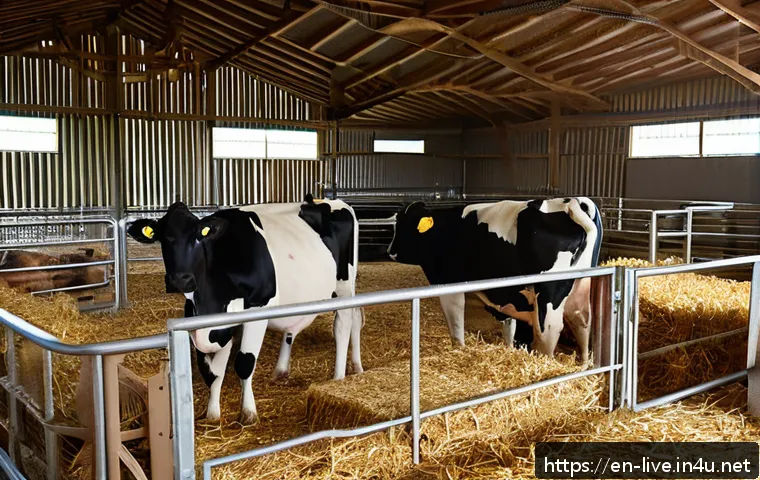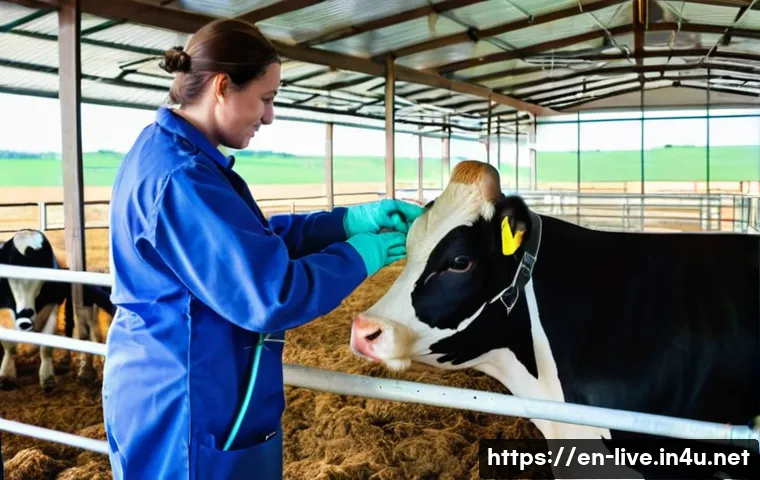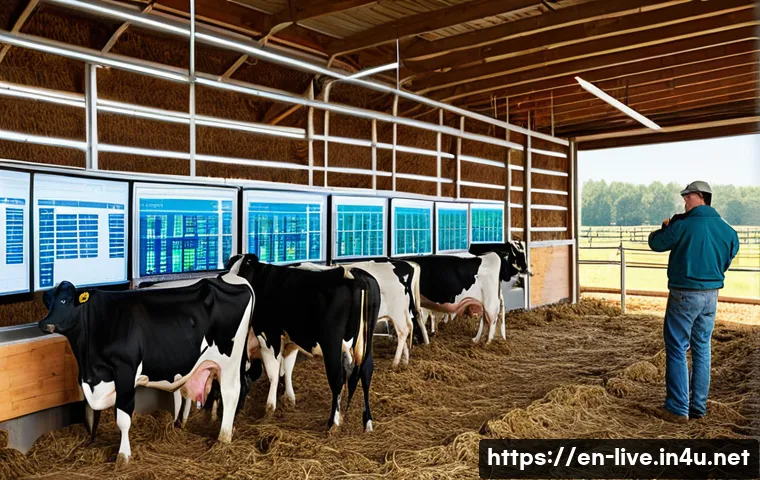
Livestock certification pass rates can be useful, but they are not enough to choose a course or credential on their own. Compare them with candidate prerequisites, total training costs, hands-on support, and whether employers or regulators recognize the credential.
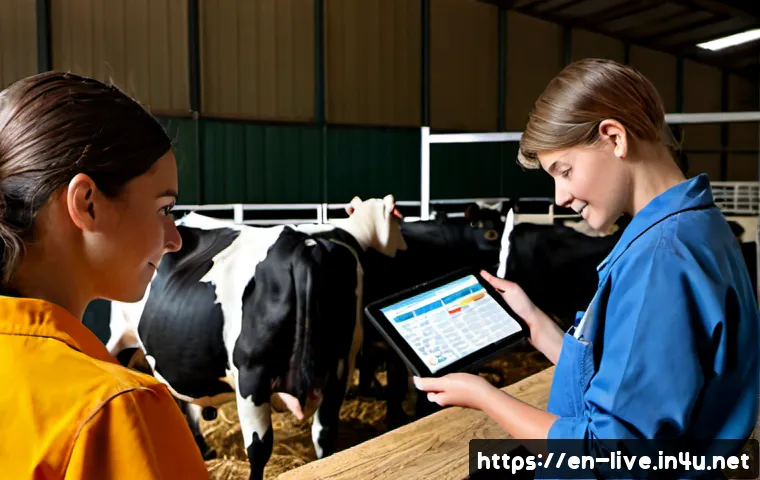
A higher reported rate may reflect a smaller or more experienced group rather than better instruction. Before paying for an exam-prep course, check what the program actually includes and whether practical livestock experience is required.
The best route depends on your current skills, work schedule, budget, and target role.
At a Glance
- Pass rates are only meaningful in context: check cohort size, reporting period, first-attempt results, and retake rules.
- Training value is broader than an exam score: practical access, eligibility support, and employer recognition can matter more.
- Compare total cost before enrolling: include course tuition, exam registration, study materials, travel, retakes, and renewal.
| Training Route | Best For | Support Level | Cost Questions to Ask | Key Check Before Choosing |
|---|---|---|---|---|
| Self-study | Experienced workers with relevant livestock knowledge | Usually limited | Exam fee, materials, retake fee, travel | Whether hands-on experience or supervised training is required |
| Online exam-prep course | People needing flexible study structure | Varies by provider | Course fee, included materials, practice support, renewal | Whether the course prepares for the specific credential you want |
| Vocational school or agricultural college | New entrants who need foundational skills | Often more structured | Tuition, supplies, transport, examination costs | Access to practical livestock handling and recognized coursework |
| Employer-sponsored program | Farm employees seeking advancement | May include workplace mentoring | Who pays, time commitment, exam and renewal responsibility | Whether the credential is useful beyond the current employer |
What Livestock Certification Pass-Rate Statistics Can Tell You
A pass rate can indicate how candidates performed in a particular certification program or examination period. It may help you identify questions worth asking about exam support, candidate preparation, and course design. However, it should not be treated as proof that one livestock training program is automatically better than another.
Why One Percentage Is Not Enough to Judge a Program
A published percentage does not show how many people tested, how much livestock experience they had, or whether they met demanding entry requirements before enrolling. A program serving experienced farm workers may report different outcomes from a foundational course for career changers. The assessment itself may also differ across credentials, providers, and specialties.
First-Time Pass Rates, Retake Rates, and Total Candidate Outcomes
Ask whether a result refers to first-attempt candidates or includes candidates who tested again after additional study. These are different measures. A total outcome may be useful, but it does not replace a first-attempt figure when you are estimating the preparation needed before your own exam date.
The Data Points to Check Before Drawing Conclusions
When a provider promotes exam results, ask for the reporting period, number of candidates, eligibility standards, and whether practical assessments were included. Also ask whether the figure applies to all enrolled students or only to those who completed the course and sat for the exam. If those details are unavailable, treat the pass-rate claim as incomplete rather than decisive.
Compare Training Routes by Cost, Support, and Career Value
The right livestock certification route depends on what you already know and what the target job requires. A low-cost study option may be appropriate for an experienced employee, while a structured agricultural training program may be more useful for someone without regular access to livestock operations.
Self-Study Versus Structured Exam-Prep Courses
Self-study can suit candidates who already understand animal handling, farm procedures, and the credential’s subject area. It may be less suitable when the exam includes practical expectations that are difficult to learn from reading alone. A paid online exam-prep course can add scheduling structure, guided materials, and instructor access, but you should confirm exactly what is included before paying.
Vocational Schools, Agricultural Colleges, and Workplace Training
Vocational schools and agricultural colleges may offer a more organized path when you need foundational knowledge and supervised learning. Workplace training can be valuable because it connects instruction to daily farm tasks. Still, an employer’s internal training program is not automatically the same as an industry credential or a regulated professional license. Recognition should be checked for the role you want next, not only the job you have today.
Building a Realistic Total-Cost Estimate in U.S. Dollars
Use a simple total-cost checklist in U.S. dollars before comparing livestock certification courses. Include training tuition, examination registration, study guides or digital materials, practical supplies if required, travel, accommodation when applicable, retake fees, and future renewal costs. Do not assume a course price includes the examination fee or continuing education requirements. Request an itemized breakdown from the training provider or certification body.
How to Verify a Certification Provider’s Results
Reliable comparison starts with direct questions. A provider should be able to explain what its program covers, who is eligible, and how its outcomes are calculated. Clear answers are more useful than broad claims about being the “best” or having a “high pass rate.”
Questions to Ask About Cohort Size and Reporting Periods
Ask: How many candidates are included? Which exam period does the result cover? Is the figure based on first attempts only? Did every enrolled learner take the test? These questions help you compare programs using similar conditions rather than comparing unrelated percentages.
Checking Eligibility, Practical Assessments, and Renewal Rules
Some livestock-related credentials may require practical experience, supervised training, or continuing education in addition to an examination. Confirm eligibility before buying a course. Also review renewal requirements, because a credential with an affordable entry cost may have ongoing obligations that affect its long-term value.
Avoiding Unsupported “High Pass Rate” Marketing Claims
Be cautious with “guaranteed pass” language. No course can remove the need to meet eligibility rules, complete required documentation, or demonstrate your own knowledge and practical readiness. A credible program should explain its curriculum, support options, refund terms if any, and the limits of its reported results without making unrealistic promises.
Common Reasons Candidates Do Not Pass
Not passing does not always mean a candidate chose the wrong career. Often, the issue is a mismatch between prior experience, the exam format, and the preparation route. Identifying that mismatch early can prevent unnecessary spending on a course that does not address the real gap.
Choosing a Credential That Does Not Match Prior Experience
A general agriculture certificate may help build broad knowledge, while a specialized industry credential may assume familiarity with certain livestock systems or work tasks. Before enrolling, compare the credential’s stated outcomes with your current experience and the requirements of the job you want.
Underestimating Practical Livestock-Handling Requirements
Online lessons can support theory review, but they may not replace practical exposure where a credential expects it. If hands-on handling, observation, or supervised training is part of the pathway, plan how you will access that experience before relying on a fully online option.
Missing Registration Deadlines, Documentation, or Retake Rules
Administrative details matter. Candidates should verify registration deadlines, identity or experience documentation, testing arrangements, cancellation terms, and retake policies. Missing a required step can create extra costs and delay a career plan even when the candidate is academically prepared.

Which Certification Path Fits Your Work Situation?
Choose the route that closes your most important gap. For some people, that is exam knowledge. For others, it is documented experience, practical access, or a credential with stronger employer relevance.
New Entrants Seeking Foundational Livestock Skills
New entrants may benefit from structured vocational training or agricultural college coursework when they need both basic knowledge and supervised practice. Look for clear information about practical components, instructor support, and whether the resulting certificate is recognized by employers in your intended field.
Farm Employees Pursuing Employer-Supported Advancement
Employees should ask whether an employer offers paid training time, mentoring, reimbursement for examination fees, or support for renewal. Employer-sponsored professional development can reduce out-of-pocket costs, but confirm whether the credential is portable if you later apply elsewhere.
Experienced Workers Evaluating Specialist or Compliance-Focused Credentials
Experienced workers may find self-study or a focused exam-prep course more efficient when they already meet practical requirements. Review whether the credential is an industry certificate, a general qualification, or a regulated license pathway. These categories can carry different levels of employer recognition and different obligations.
Selection Criteria and Comparison Summary
Match the credential to the role. Start with the employer or regulatory requirement for the work you want.
Compare the full investment. Include training, exam registration, materials, travel, possible retakes, and renewal—not just advertised tuition.
Check hands-on access. Confirm whether practical experience or supervised training is required and how you will meet that requirement.
Review outcome claims carefully. Compare pass-rate statistics only when cohort size, reporting dates, candidate eligibility, and attempt type are clear.
Choose support that fits your schedule. Flexible online study can help, but it may not meet every practical or documentation requirement.
For official eligibility details, current fees, and credential conditions, review the certification provider’s official information page before enrolling.
In Closing
Livestock certification pass rates are a starting point, not a final decision rule. The most useful comparison combines results data with prerequisites, practical training access, total cost, and career relevance. A course is worth considering when it helps you meet the actual requirements of your target role. Take time to verify the details before committing to tuition or an exam date.
Useful Things to Know
1. A reported pass rate may not show the number of people included.
2. First-attempt and retake outcomes should be compared separately where possible.
3. Practical livestock experience may be required in addition to written exam preparation.
4. Training fees and examination fees may be billed separately.
5. Employer recognition can differ between a general certificate, an industry credential, and a regulated license.
Important Notes
Certification requirements, course tuition, examination fees, renewal rules, and employer acceptance vary by location, provider, livestock specialty, and time period. Public pass-rate data may not be available for every program. Confirm current information directly with the relevant training provider, certification body, employer, or regulator before making a payment or career decision.
Frequently Asked Questions
Q1. Are livestock certification pass rates a reliable way to choose a training course?
A1. They can be helpful, but only when you know the cohort size, reporting period, candidate experience level, and whether the rate reflects first attempts or retakes. Also compare course content, practical support, eligibility requirements, total cost, and employer recognition.
Q2. How much should I budget for livestock certification training, exam fees, and retakes?
A2. Costs vary significantly by provider and location, so there is no single reliable amount. Build a U.S.-dollar checklist that includes tuition, exam registration, study materials, travel, practical requirements, retakes, and renewal. Ask for an itemized cost list before enrolling.
Q3. Is an online livestock certification course suitable for beginners without farm experience?
A3. It may be useful for introductory knowledge and flexible exam preparation, but it may not provide the hands-on experience needed for every credential. Beginners should check whether supervised training, practical assessments, or documented livestock experience are required before selecting an online-only course.