Are you feeling stuck in your current role, wondering if there’s a greener pasture (pun intended!) waiting for your career? I totally get that feeling.
We all dream of a job that not only fulfills us but also gives our bank account a much-needed boost. What if I told you that the answer might just lie in an industry you’ve probably never considered for a career change, let alone a significant pay raise: the modern livestock sector?
It’s not just about traditional farming anymore; we’re talking about a rapidly evolving field driven by incredible advancements in technology and sustainability.
I’ve personally seen and heard so many inspiring stories of individuals who’ve made this leap, transforming their professional lives and, yes, their salaries too.
You might be picturing mud and barns, but trust me, this industry is buzzing with innovation and opportunity, offering roles that demand a surprising array of skills and expertise.
The potential for growth and financial reward here is truly something worth exploring, especially if you’re looking for a challenging yet incredibly rewarding path.
Intrigued by how making a move into the livestock industry could redefine your earning potential? Let’s uncover the full story and precise details.
The Unseen Revolution: Why Modern Livestock is a Game-Changer
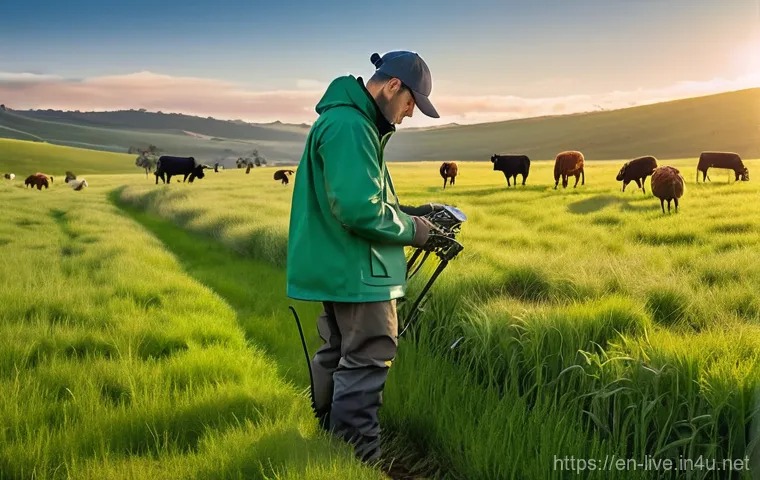
Honestly, when someone first suggested I look into the modern livestock sector for a career change, my mind immediately conjured up images from old movies – dusty barns, gruff farmers, and endless manual labor. And I bet you might be thinking the same thing right now! But let me tell you, that mental picture couldn’t be further from the truth of what this industry has become. We’re talking about a transformation so profound, it’s practically a revolution. It’s driven by cutting-edge technology, a deep commitment to sustainability, and an ever-growing global demand for high-quality, ethically produced food. The old ways are, in many places, giving way to smart farms where data analytics, automation, and advanced genetics are just part of the daily routine. I’ve personally visited facilities that look more like high-tech labs than traditional farms, completely shattering any preconceived notions I had. This isn’t just about feeding people; it’s about innovating how we feed people, responsibly and efficiently. The sheer scale of technological integration, from precision feeding systems to advanced animal health diagnostics, is astounding and creates a whole new landscape for skilled professionals. It’s an industry that’s quietly attracting some seriously bright minds, offering not just stable jobs, but truly dynamic and impactful careers that can really make a difference.
Not Your Grandfather’s Farm: Technology at the Forefront
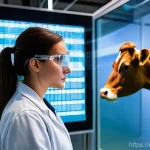
One of the most eye-opening aspects for me has been witnessing how technology has absolutely stormed into every corner of the livestock industry. Forget simple tractors and basic husbandry; we’re talking about intricate sensor networks that monitor animal health and behavior in real-time, AI-driven systems that optimize feed ratios, and even robotics handling mundane tasks to improve efficiency and animal welfare. I remember talking to a friend who moved from software development into agricultural tech, and he was absolutely buzzing about the challenges and innovations. He told me, “It’s like building the future, but with animals!” This isn’t just about making things ‘easier’; it’s about making them smarter, more productive, and far more sustainable. Think about predictive analytics for disease prevention, genetic sequencing to enhance desirable traits, or even sophisticated waste management systems that turn agricultural byproducts into energy. These advancements aren’t just cool; they’re essential for meeting global food demands responsibly, and they require a workforce with a completely new skill set. It’s a far cry from what many people imagine, and that gap between perception and reality is precisely where incredible opportunities lie for those looking for a significant career pivot.
A Booming Global Industry: Demand and Opportunity
Beyond the technological marvels, there’s a fundamental truth driving this industry’s growth: the world needs to eat. And with a rapidly growing global population, the demand for animal protein continues to soar, creating an almost insatiable need for efficient, sustainable livestock production. This isn’t just a local phenomenon; it’s a global one. Countries all over the world are investing heavily in modernizing their agricultural sectors, recognizing the critical importance of food security and sustainable practices. What this means for you and me is a stable, growing job market that isn’t easily outsourced or replaced. From international trade specialists ensuring global supply chains run smoothly, to regional managers overseeing large-scale operations, the opportunities are diverse and plentiful. I’ve seen firsthand how companies in this sector are actively seeking out talent from various backgrounds – not just traditional agriculturalists, but folks with business acumen, tech skills, and a passion for making a real impact. It’s a huge, often overlooked, economic engine that provides a robust foundation for long-term career stability and, yes, some truly impressive earning potential.
Beyond the Barn: Unexpected Roles with High Earning Potential
When I first started researching the modern livestock sector, I was genuinely surprised by the sheer diversity of roles available. My initial thought was that it would be limited to veterinary science or direct farming, but boy, was I wrong! This industry is a complex ecosystem, and it needs a vast array of specialized skills – many of which are transferable from other high-tech or management fields. We’re talking about roles that command competitive salaries because they require expertise in areas like data analytics, cutting-edge genetics, complex supply chain logistics, and environmental stewardship. It’s not just about animal care anymore; it’s about optimizing entire systems, from farm to fork, with precision and foresight. For anyone feeling pigeonholed in their current career, this could be a real eye-opener. I’ve personally spoken to people who’ve transitioned from IT, finance, and even marketing, finding their skills incredibly valuable in unexpected corners of agribusiness. It proves that the “right” background isn’t as narrow as we often assume, and a fresh perspective is often exactly what these innovative companies are looking for to drive their next big breakthrough.
Data Scientists and AI Specialists in Animal Health
Imagine a world where algorithms predict animal illnesses before symptoms even appear, or where AI optimizes feed intake to minimize waste and maximize growth. This isn’t science fiction; it’s happening right now in the modern livestock industry, and it’s driven by brilliant data scientists and AI specialists. These aren’t folks wearing overalls; they’re often highly educated professionals, many with backgrounds in computer science or bioinformatics, who are now applying their talents to solve complex problems in animal agriculture. They’re developing sophisticated models from sensor data, genetic markers, and environmental inputs to improve animal welfare, boost productivity, and ensure food safety. When I saw a demonstration of an AI system analyzing cow behavior to detect early signs of lameness, I was absolutely blown away. The precision and proactive nature of this technology are incredible, and the demand for people who can build, manage, and interpret these systems is skyrocketing, along with their salaries. It’s a truly intellectually stimulating field, blending hardcore tech with a tangible impact on sustainable food production.
Supply Chain Maestros and Logistics Innovators
Getting animal products from the farm to your dinner table is a monumentally complex undertaking, especially on a global scale. This isn’t just about trucking things around; it involves intricate cold chains, international regulations, precise inventory management, and real-time tracking. That’s why the modern livestock sector desperately needs supply chain maestros and logistics innovators. These are the strategists who design, implement, and optimize the entire flow of goods, ensuring efficiency, minimizing waste, and maintaining the highest standards of quality and safety. Many of these professionals come from manufacturing, retail, or tech logistics, bringing a wealth of experience to an industry eager for their expertise. I’ve known someone who transitioned from automotive logistics to a major meat processor, and he couldn’t believe the scale and complexity of the challenges, but also the immense satisfaction of solving them. They’re building resilient, sustainable supply chains that can withstand global disruptions, and their contributions are absolutely critical, reflected in attractive compensation packages.
Environmental Compliance and Sustainability Experts
The focus on environmental impact and sustainability in agriculture has never been stronger, and rightly so. This has created a significant demand for experts in environmental compliance and sustainable practices within the livestock sector. These professionals are at the forefront of developing and implementing eco-friendly farming methods, ensuring operations meet stringent environmental regulations, and pioneering regenerative agriculture techniques that improve soil health and reduce carbon footprints. Their work is vital not only for the planet but also for the long-term viability and public perception of the industry. They often have backgrounds in environmental science, engineering, or public policy, and they bring a critical perspective to every aspect of the business. I personally find this area incredibly inspiring, seeing how innovative solutions are being developed to integrate environmental stewardship seamlessly into large-scale operations. It’s a field where passion for the environment meets significant professional opportunity, offering roles that are both impactful and financially rewarding.
| Role | Key Responsibilities | Average Salary Range (USD) |
|---|---|---|
| Agricultural Data Scientist | Analyzing farm data (sensors, genetics, climate) to optimize production, predict outcomes, and improve efficiency. | $80,000 – $150,000+ |
| Animal Health Technologist | Operating advanced diagnostic equipment, conducting lab tests, assisting veterinarians with tech-driven animal care. | $50,000 – $85,000 |
| Sustainable Practices Manager | Developing and implementing eco-friendly farming methods, ensuring compliance with environmental regulations, promoting regenerative agriculture. | $70,000 – $120,000 |
| Agri-Tech Sales & Support | Selling and supporting complex agricultural technology solutions, training farmers on new equipment and software. | $60,000 – $110,000+ (commission-based often higher) |
| Livestock Geneticist | Researching and applying genetic principles to improve animal health, productivity, and resilience. | $90,000 – $160,000+ |
My Leap of Faith: Transforming My Career (and My Bank Account!)
Making a big career switch can feel incredibly daunting, can’t it? I know because I’ve been there. The comfort of the familiar, even if it’s uninspiring, often feels safer than the unknown. But there comes a point when the desire for something more – more fulfillment, more challenge, and yes, definitely more financial reward – outweighs the fear. For me, that tipping point was realizing how stagnant my previous career had become, both in terms of personal growth and my paycheck. The modern livestock industry, with its innovative spirit and clear growth trajectory, felt like a breath of fresh air. I remember the sleepless nights, the endless research, and the nagging self-doubt. Was I crazy to consider this? Would my skills even transfer? But with every piece of information I uncovered, every conversation I had with someone thriving in this sector, my conviction grew stronger. It wasn’t just about finding ‘a job’; it was about finding a path where I could truly thrive and contribute in a meaningful way, all while seeing my earning potential finally align with my ambitions.
The Initial Skepticism and the “Aha!” Moment
My journey wasn’t a straight line, let me tell you. At first, I was deeply skeptical. My background was far removed from anything agricultural, and the thought of entering such a traditionally physical industry felt… out of place. My friends and family were certainly surprised when I even mentioned it. “Livestock? Really?” was a common reaction, often accompanied by a quizzical look. But the more I dug in, the more I saw past the outdated stereotypes. My “aha!” moment came during an online webinar about precision agriculture, where a former tech executive was passionately discussing the use of satellite imagery and IoT sensors to manage large-scale cattle operations. It hit me then: this wasn’t about traditional farming in the way I understood it; it was about advanced resource management, sophisticated technology deployment, and big data. I realized that my analytical skills, my project management experience, and my ability to learn new systems were exactly what this evolving industry needed. It wasn’t a step backward; it was a leap forward into an entirely new and exciting frontier, and suddenly, my skepticism turned into genuine excitement.
Tangible Growth: Seeing My Salary Soar
Let’s be real for a moment: one of the biggest drivers for a career change is often the desire for better financial compensation. And I’m thrilled to share that this industry has absolutely delivered on that front for me. Within just a couple of years of transitioning, I saw a significant uptick in my annual earnings – something I hadn’t experienced in my previous role for nearly five years. It wasn’t just a modest bump; it was a substantial leap that truly reflected the value I was bringing to the table and the demand for specialized skills in this growing sector. The opportunities for advancement are also incredibly clear, unlike the often-murky paths in some established industries. Performance is recognized and rewarded, and continuous learning is highly valued, which directly translates into higher earning potential. It’s incredibly validating to feel that your hard work and newfound expertise are not only appreciated but also fairly compensated, allowing for a level of financial freedom and stability that was previously just a dream. This isn’t just a job; it’s a genuine investment in my future.
Cultivating Your Edge: Skills That Command Top Dollar
So, you’re intrigued, right? You’re starting to see the vast potential in the modern livestock sector, but you might be wondering, “What exactly do I need to bring to the table?” That’s a totally valid question, and one I wrestled with myself. The truth is, while a foundational understanding of agriculture can be helpful, many of the most highly sought-after skills are incredibly transferable from other fields. We’re talking about a blend of tech savviness, critical thinking, problem-solving, and good old-fashioned communication. This isn’t just about getting your hands dirty; it’s about applying your intellect to complex, real-world challenges that have a global impact. Companies in this space are actively looking for diverse talent, people who can think outside the traditional agricultural box and bring fresh perspectives to innovation. Investing in developing these key skills won’t just make you employable; it will make you a highly valuable asset, capable of commanding a truly impressive salary in this rapidly expanding industry.
Mastering Ag-Tech: From Drones to Biotech
If you want to truly stand out and make a significant impact (and earn a fantastic salary!), mastering agricultural technology, or “Ag-Tech,” is your golden ticket. This encompasses everything from operating sophisticated drone systems for crop and pasture monitoring, to understanding the nuances of precision feeding equipment, and even delving into the exciting world of biotechnology for animal genetics and health. It’s a dynamic and rapidly evolving field, so continuous learning is key. I’ve seen firsthand how individuals who can confidently navigate and implement these technologies are absolutely indispensable. For example, a friend who pivoted from IT learned to program and manage automated milking systems and predictive animal health analytics platforms – his value to his new company skyrocketed, and his salary reflected that. These skills aren’t just about pushing buttons; they’re about understanding the data, troubleshooting complex systems, and leveraging technology to make smarter, more sustainable decisions. It’s truly where the industry is headed, and being at the forefront of that movement is incredibly rewarding, both intellectually and financially.
Soft Skills Are King: Communication and Problem-Solving
While technical skills are undeniably important, never underestimate the power of strong soft skills in the modern livestock industry. This is an industry that often involves collaborating with diverse teams, communicating complex technical information to non-technical stakeholders, and navigating challenging situations with grace and efficiency. Being an excellent communicator, both written and verbal, is absolutely essential. You’ll be working with farmers, scientists, engineers, logistics experts, and sometimes even government officials. Furthermore, the ability to effectively problem-solve is paramount. Agricultural environments can be unpredictable, and issues can arise unexpectedly. Companies desperately need individuals who can think on their feet, analyze problems from multiple angles, and develop practical, innovative solutions. I’ve seen situations where a brilliant technical mind struggled because they couldn’t articulate their ideas or collaborate effectively. Conversely, someone with solid technical skills combined with exceptional interpersonal abilities often rises quickly, becoming a highly valued and well-compensated leader. These “human” skills are often the differentiator for top-tier positions.
The Green Horizon: Ethical and Sustainable Opportunities

It’s impossible to talk about the modern livestock sector without passionately discussing the incredible strides being made in ethics and sustainability. This isn’t just a side note anymore; it’s at the very core of how forward-thinking companies operate. Consumers are more aware and demanding than ever about where their food comes from, how animals are treated, and the environmental footprint of production. This intense focus has created a wealth of opportunities for professionals dedicated to making the industry greener, more humane, and truly sustainable for future generations. For me, personally, this aspect of the industry is a huge motivator. Knowing that my work, or the work of those I’m influencing, is contributing to a more responsible food system is incredibly fulfilling. It’s a field where you can truly align your personal values with your professional aspirations, and the demand for this expertise is only going to grow, which naturally translates to more career stability and higher salaries for those who lead the charge.
Regenerative Agriculture: More Than Just a Buzzword
If you haven’t heard the term “regenerative agriculture,” get ready, because it’s revolutionizing how we think about farming and livestock. It’s far more than just a buzzword; it’s a holistic approach that focuses on enhancing biodiversity, enriching soils, improving watersheds, and increasing ecosystem services. For the livestock sector, this means integrating animals into sustainable land management practices, often with incredible environmental benefits. Professionals in this area are designing and implementing systems that actively reverse climate change by sequestering carbon, improving water retention, and boosting soil health. Imagine being part of a team that transforms degraded land into thriving ecosystems, all while producing high-quality food! The expertise required for this is immense, combining agronomy, ecology, and animal science, and the demand for individuals who can genuinely implement these complex systems is exceptionally high. Companies are literally fighting over talent who can deliver real, measurable environmental improvements, and they’re willing to pay top dollar for that invaluable skill set.
Animal Welfare Advocates: Driving Change from Within
The ethical treatment of animals is a deeply important issue, and the modern livestock sector is making significant commitments to improving animal welfare standards across the board. This isn’t just about doing the bare minimum; it’s about genuinely understanding animal behavior, implementing humane practices, and continuously innovating to ensure the highest quality of life for livestock. This commitment has opened up critical roles for animal welfare advocates and specialists who work to develop, audit, and enforce best practices. These professionals often have backgrounds in animal science, veterinary medicine, or even psychology, bringing a compassionate and evidence-based approach to industry operations. I’ve met several individuals who transitioned from animal shelters or veterinary practices, finding their skills incredibly valuable in shaping ethical policies for large agricultural corporations. It’s a role where empathy meets expertise, directly influencing the well-being of countless animals and enhancing consumer trust. The impact is profound, and the opportunity to drive meaningful change from within a major industry is a powerful draw, often accompanied by a rewarding salary that reflects the specialized nature of the work.
Debunking Myths: What You *Think* You Know About Livestock Careers
Let’s be honest: when most people hear “livestock industry,” outdated stereotypes probably flood their minds. Images of dirty work, low pay, and lack of innovation are stubbornly persistent, and it’s a real disservice to the incredibly dynamic and sophisticated reality of the modern sector. I totally get it, because I had those same preconceived notions! But if you’re seriously considering a career pivot into a field with immense growth potential and excellent compensation, you absolutely have to let go of those old ideas. This isn’t your grandparents’ farm anymore; it’s a high-tech, data-driven, and environmentally conscious industry that’s actively recruiting bright, forward-thinking individuals from all walks of life. The gap between public perception and actual reality in this industry is vast, and that gap, my friends, is exactly where incredible opportunities are waiting for those who are willing to look beyond the surface. It’s time to shed those old notions and embrace the truth about modern agribusiness.
Shedding the “Dirty Job” Stereotype
One of the biggest myths I constantly encounter is that working in livestock means a perpetually dirty, unpleasant job. And while, yes, you can find hands-on roles, the reality of many modern positions couldn’t be further from that stereotype. We’re talking about laboratory work for genetic research, climate-controlled environments for advanced breeding, sophisticated control rooms for automated feeding systems, and clean office spaces for data analysis and management. Many roles involve highly technical operations that require a sharp mind, not just strong muscles. Think about the engineers designing new ventilation systems, the software developers coding animal monitoring apps, or the marketing teams promoting sustainably sourced products. These are professional, often high-tech, environments that are just as clean and stimulating as any corporate office or research lab. The industry has invested heavily in modern infrastructure and processes, not only for efficiency but also for the comfort and safety of its workforce. It’s about precision, science, and smart management, not just mud and manual labor.
The Professional Prowess of Modern Agribusiness
Another common misconception is that the livestock industry lacks professional career paths or opportunities for significant advancement. This couldn’t be further from the truth! Modern agribusiness is a massive, multi-billion-dollar global industry, and it requires top-tier talent across every business function. We’re talking about sophisticated finance departments managing complex investments, HR teams focused on talent acquisition and development, R&D divisions pushing the boundaries of animal science, and international sales teams navigating global markets. The professional structures are just as robust and complex as those in any other major industry, offering clear career ladders and executive-level positions. I’ve met CEOs and senior directors who started in unexpected entry-level roles and climbed their way up, leveraging continuous learning and strategic thinking. The sheer scale and global nature of these operations demand highly skilled professionals in leadership, strategy, and innovation, and these roles come with competitive salaries and executive benefits. It’s a true professional powerhouse, brimming with opportunities for ambitious individuals.
Future-Proofing Your Career: Long-Term Growth in Agribusiness
Thinking about your career isn’t just about the next job; it’s about building a sustainable, resilient path for your entire professional life. And honestly, when I look at the future, the modern livestock sector shines as an incredibly stable and growth-oriented industry. Why? Because the fundamental drivers are unshakeable: a growing global population that needs to be fed, an increasing focus on sustainable and ethical food production, and continuous technological innovation. These aren’t fleeting trends; they are foundational shifts that guarantee long-term demand for skilled professionals in this space. If you’re looking for a career that offers stability, continuous learning, and significant upward mobility, while also contributing to something truly essential, then agribusiness might just be your ultimate destination. It’s an industry that’s not just adapting to the future; it’s actively shaping it, and you can be a vital part of that exciting journey.
Networking in a Niche: Finding Your Tribe
One of the keys to not just landing a great job, but truly future-proofing your career in any field, is effective networking. In the modern livestock sector, this is particularly powerful because it’s still a somewhat niche industry, meaning connections can be incredibly impactful. Attend industry conferences (both virtual and in-person), join relevant online forums and LinkedIn groups, and don’t be afraid to reach out to professionals for informational interviews. I’ve found that people in this industry are generally incredibly passionate and surprisingly open to sharing their experiences and advice. When I was exploring my transition, reaching out to someone I admired on LinkedIn led to an unexpected coffee meeting that totally changed my perspective and opened doors I didn’t even know existed. Building these relationships not only helps you uncover hidden opportunities but also keeps you abreast of the latest innovations and trends, ensuring your skills remain relevant and in demand for years to come. Your network truly is your net worth in this dynamic field.
Education and Certifications: Investing in Yourself
To truly accelerate your career growth and ensure you’re always at the top of your game in the modern livestock sector, consider continuous education and relevant certifications. This doesn’t necessarily mean going back for another four-year degree, though advanced degrees in specialized areas like animal genetics, agricultural engineering, or food science are certainly valuable. Often, focused certifications or online courses in areas like precision agriculture technology, data analytics for agribusiness, supply chain management, or even animal welfare auditing can significantly boost your resume and expertise. Many universities and industry associations offer fantastic programs that are specifically designed to equip professionals with the most current knowledge and skills. I’ve personally invested in several online courses in agri-tech, and the immediate impact on my understanding and confidence was huge. Companies recognize and reward this proactive approach to learning, viewing it as a clear sign of commitment and ambition, which directly translates into better job opportunities and, crucially, higher earning potential as you become an even more indispensable asset.
Concluding Thoughts
Honestly, diving into the modern livestock sector has been one of the most eye-opening and rewarding shifts of my career. What started as pure curiosity, fueled by a desire for more impact and better earning potential, quickly transformed into genuine excitement for an industry that’s far more advanced, ethical, and dynamic than most people imagine. If my journey has taught me anything, it’s that looking beyond the stereotypes can truly unlock incredible opportunities. This isn’t just about finding a job; it’s about discovering a future-proof path where technology, sustainability, and real-world challenges converge, offering stability, significant financial rewards, and the profound satisfaction of contributing to global food security. I truly hope you feel inspired to explore this incredible revolution for yourself!
Useful Information to Know
1. Emerging Technologies are Game-Changers: Keep an eye on advancements like IoT sensors, AI-driven analytics, and advanced genetic sequencing. These aren’t just buzzwords; they’re fundamentally reshaping daily operations, animal welfare, and productivity, opening up high-tech roles across the board.
2. Beyond the Farm Gate: Remember, the modern livestock industry isn’t solely about direct farming. It encompasses a vast ecosystem including supply chain logistics, environmental compliance, marketing, finance, and specialized agri-tech sales and support. Your existing professional skills might be far more transferable than you think.
3. Sustainability is Not Optional: The industry’s deep commitment to ethical practices and environmental stewardship is a massive growth area. Roles in regenerative agriculture, animal welfare advocacy, and sustainable resource management are not just impactful but also increasingly in demand, offering both purpose and lucrative compensation.
4. Invest in Continuous Learning: To stay ahead in this rapidly evolving field, prioritize ongoing education. Online courses, certifications in areas like data analytics for agriculture, or specialized workshops in precision farming can significantly boost your expertise and market value, making you an indispensable asset.
5. Network, Network, Network: While it might feel niche, the modern agribusiness community is vibrant and welcoming. Attend virtual webinars, join industry-specific LinkedIn groups, and connect with professionals. These connections can lead to invaluable insights, mentorship, and unexpected career opportunities.
Key Takeaways
The modern livestock industry stands as a truly overlooked powerhouse, blending cutting-edge technology with a profound commitment to sustainability and ethical practices. It offers a diverse array of high-paying roles that shatter outdated stereotypes, providing exceptional opportunities for career growth, financial stability, and meaningful impact. Embrace the future; it’s a field where your expertise is not just valued, but essential.
Frequently Asked Questions (FAQ) 📖
Q: I’m intrigued by this idea, but when you say “modern livestock sector,” what kind of roles are we actually talking about? I’m picturing barns and overalls, but you hinted at something much more… techy.
A: Oh, I totally get why you’d think of the traditional image – muddy boots and early mornings, right? But believe me, that’s just a tiny piece of the pie now!
The “modern livestock sector” is booming with innovation, and it’s a far cry from just what your grandparents might have imagined. We’re talking about roles that leverage cutting-edge technology and scientific breakthroughs every single day.
Think about it: data scientists analyzing animal health metrics, geneticists developing more resilient breeds, nutritionists formulating advanced diets for optimal growth and welfare, and even robotics engineers designing automated feeding and monitoring systems.
I’ve personally seen how much these farms are investing in sustainability specialists, too, helping them reduce their environmental footprint. There are even positions in supply chain optimization, marketing for specialty products, and biosecurity management that require some serious organizational skills.
It’s a truly diverse landscape, needing minds from engineering, software development, environmental science, veterinary tech, and even business management.
It’s less about just ‘farming’ and more about ‘agritech’ and ‘sustainable food production’ – demanding a blend of brains and innovative thinking that might just surprise you!
Q: This sounds promising, but let’s be real: can I really expect a significant pay raise by making a move into the livestock industry, especially if I don’t have a background in agriculture?
A: That’s a fantastic, and very valid, question! And from what I’ve personally observed and heard from countless people who’ve made this leap, the answer is a resounding yes, you absolutely can.
Here’s why: the modern livestock industry isn’t just about manual labor anymore; it’s a high-tech, highly specialized field that’s facing complex global challenges, from food security to environmental stewardship.
That means there’s a huge demand for skilled professionals who can bring fresh perspectives and expertise from other sectors. Companies are actively seeking people with backgrounds in data analysis, operations management, engineering, sustainability, and even advanced logistics.
These aren’t entry-level roles that anyone can walk into; they require a certain level of problem-solving and critical thinking that commands a competitive salary.
I’ve seen folks transition from IT, manufacturing, and even finance, and with their transferable skills, they’re not just finding jobs, they’re finding careers with impressive upward mobility and, yes, paychecks that reflect their significant contributions to this evolving industry.
It’s a field where innovation is directly tied to profitability, and those who can drive that innovation are incredibly valuable.
Q: Okay, you’ve got me interested! But I’m not sure where to start. What kind of background or skills would actually help me make a successful transition into this tech-driven livestock sector?
A: Excellent question, and it’s smart to think about this strategically! The beauty of this modern shift is that it’s surprisingly welcoming to people from diverse professional backgrounds.
While a direct agricultural degree is certainly a plus, it’s far from a prerequisite these days. I’d say your biggest assets are transferable skills. Think about it: if you’re good at data analysis, project management, logistics, engineering, or even just general problem-solving, those are gold in this industry.
Companies are desperate for people who can interpret complex data sets from sensors, optimize supply chains, manage large-scale projects, or implement new technologies.
A strong foundation in IT, biology, environmental science, or even business operations can give you a significant leg up. What’s even more crucial, in my opinion, is a genuine willingness to learn and adapt.
This sector is constantly evolving, so a curious mind and a proactive attitude towards acquiring new knowledge – maybe through online courses, certifications, or even just immersive reading – will truly set you apart.
Don’t underestimate the power of passion either; if you’re genuinely intrigued by sustainable food production or animal welfare, that enthusiasm will shine through and make you an incredibly attractive candidate.