Hey there, fellow food lovers and career explorers! Ever paused to think about the journey your breakfast bacon takes, or who tirelessly works behind the scenes to ensure the quality and safety of the milk in your morning coffee?
It’s a fascinating world, often unseen, where dedicated individuals make a real difference, shaping the very foundation of our food systems. I’m talking about a truly impactful career path: becoming a civil servant in livestock farming.
This isn’t just about spreadsheets and policy; it’s about being on the front lines of animal welfare, sustainable agriculture, and ensuring food security for millions.
I’ve personally seen the incredible dedication these professionals bring, navigating everything from biosecurity challenges to integrating cutting-edge tech in farming practices.
In today’s rapidly evolving world, with growing demands for ethical sourcing and climate-resilient food production, these roles are more critical—and exciting—than ever.
If you’ve got a passion for animals, a drive for public service, and want a career that truly matters, you might be surprised by the incredible opportunities waiting for you.
Let’s delve deep and uncover these rewarding career paths together.
Beyond the Barn Doors: Why Public Service in Livestock Matters

It’s easy to take for granted the food that appears on our tables every day, isn’t it? We grab our milk, our eggs, our favorite cut of meat, often without a second thought about the immense, complex network that brings it all to us safely and sustainably.
This is where civil servants in livestock farming truly shine. They’re the unsung heroes, working tirelessly behind the scenes, not just in offices, but often out in the field, making critical decisions that impact everything from animal welfare standards to global food security.
I’ve had the privilege of seeing firsthand the dedication these professionals bring to their roles. It’s a job that demands a unique blend of scientific understanding, regulatory expertise, and a genuine passion for both animals and agriculture.
Think about the outbreaks of animal diseases, the push for more sustainable farming practices, or the intricate details of international trade agreements for agricultural products – these are all areas where these public servants are on the front lines, ensuring our food systems remain robust and trustworthy.
Their work isn’t just about upholding regulations; it’s about pioneering new, ethical approaches to feeding a growing world population. It’s truly inspiring to witness.
The Unseen Heroes of Our Dinner Plates
Let’s face it, most of us don’t spend our mornings pondering the journey our breakfast bacon took to get to our plate, or the meticulous care that went into ensuring the quality of the milk in our coffee.
Yet, behind every safe and wholesome food product lies a vast, intricate web of dedicated professionals. These aren’t just folks shuffling papers; they’re the vigilant eyes in the field, the analytical minds in the labs, and the strategic thinkers in government offices.
They are the civil servants who, day in and day out, champion everything from robust biosecurity measures that protect entire herds from disease, to developing and enforcing humane treatment guidelines that ensure the well-being of farm animals.
From my personal observations, it’s clear that their commitment extends far beyond mere compliance; it’s a deep-seated passion for safeguarding both animal health and human health, all while ensuring the stability and integrity of our national food supply.
It’s a job that demands constant learning and an unwavering ethical compass, and the impact they have on our daily lives is simply immeasurable.
Shaping the Future of Sustainable Agriculture
The narrative around food production is rapidly evolving, driven by growing global concerns about climate change, ethical sourcing, and environmental sustainability.
This isn’t just a fleeting trend; it’s a profound shift in consumer expectations and agricultural practices. At the forefront of this transformation are civil servants in livestock farming.
They aren’t merely responding to change; they are actively shaping it, often serving as crucial bridges between cutting-edge scientific research and practical, implementable policy on the ground.
I’ve personally witnessed the incredible work being done in areas like developing innovative strategies for reducing greenhouse gas emissions from livestock, promoting regenerative grazing practices that enhance soil health, and exploring sustainable feed alternatives.
These professionals are tasked with the delicate balance of ensuring food security while minimizing environmental impact, pushing for a future where agriculture is both productive and profoundly sustainable.
If you’re someone who is passionate about creating a positive legacy for our planet and its food systems, this career path offers an unparalleled platform to drive meaningful, lasting change.
Navigating the Labyrinth: Your Path to a Fulfilling Role
So, you’re intrigued and thinking this might just be your calling? Excellent! Like any specialized field, a solid educational foundation is your first step.
While there isn’t one single “right” degree, most successful applicants in this sphere typically hold a bachelor’s or master’s degree in fields like veterinary medicine, animal science, agricultural science, public health, or even environmental science.
Some roles might even value degrees in public administration or policy if you’re aiming for more regulatory or management-focused positions. What’s crucial isn’t just the degree itself, but the practical knowledge and analytical skills you gain.
Many universities offer specialized programs focusing on livestock management, animal nutrition, genetics, or even agricultural economics, which can give you a significant edge.
I remember speaking with a civil servant who started their journey with a degree in zoology, then pursued a master’s in public health, eventually specializing in zoonotic disease control.
It just goes to show the diverse academic backgrounds that can lead to these impactful careers. Don’t underestimate the power of internships during your studies either; they provide invaluable real-world experience and networking opportunities that can literally open doors.
Educational Cornerstones: Building Your Foundation
When embarking on a career in public service within livestock farming, building a robust academic foundation is absolutely non-negotiable. While the specific degree paths can be quite varied, ranging from veterinary medicine and animal science to agricultural economics and public health, the common thread is a deep understanding of biological systems, agricultural principles, and often, regulatory frameworks.
Many successful professionals I’ve encountered have highlighted the value of specialized courses in areas like epidemiology, animal nutrition, genetics, or even food microbiology.
These aren’t just theoretical subjects; they equip you with the scientific literacy needed to tackle complex real-world problems, such as preventing disease transmission or ensuring the safety of animal products.
Consider exploring programs that offer hands-on components or research opportunities, as these can provide invaluable practical skills that complement your classroom learning.
Remember, your educational journey is about much more than just a piece of paper; it’s about acquiring the critical knowledge and analytical toolkit that will empower you to make informed decisions and contribute meaningfully to the field.
Beyond the Books: Gaining Practical Experience
While a strong academic record is your ticket into the game, what truly elevates a candidate in this competitive field is practical, boots-on-the-ground experience.
This isn’t a career where you can just graduate and expect to be fully effective from day one; government agencies are increasingly looking for individuals who’ve already rolled up their sleeves and gained some real-world insight.
This could mean anything from working on a commercial farm, volunteering at a local agricultural extension office, participating in university-led research projects focused on animal husbandry, or securing an internship with a state or federal agricultural department.
I’ve seen firsthand how a summer spent working with livestock can provide an invaluable understanding of daily operations, the challenges farmers face, and the intricate balance between animal welfare and productivity.
These experiences not only demonstrate a genuine commitment to the sector but also equip you with the kind of street-smart knowledge that textbooks simply can’t teach.
Plus, let’s be honest, they’re fantastic for networking and often open doors to future opportunities you might never have considered.
Making a Real Impact: The Day-to-Day Life of a Livestock Civil Servant
It’s fascinating how diverse the roles can be within public service in livestock farming. You might envision someone in a lab coat or a uniform, but the reality is much broader and more dynamic!
From the field to the policy-making table, these professionals are constantly engaged in protecting our food supply, ensuring animal welfare, and driving sustainable agricultural practices.
I’ve personally spoken with individuals whose week could involve everything from conducting rigorous on-site inspections for biosecurity compliance to analyzing complex epidemiological data to prevent disease outbreaks, or even drafting crucial policy briefs that will shape the future of the industry.
The sheer variety of responsibilities is what keeps many civil servants incredibly passionate about their work. It’s not a monotonous 9-to-5; it’s a career where every day brings new challenges and opportunities to make a tangible difference in the lives of animals, farmers, and consumers alike.
This isn’t just a job; it’s a commitment to the health and integrity of an entire food system. Trust me, the impact you can make is immense and deeply rewarding.
From Field Inspections to Policy Briefs
What does a “typical” day look like in this career? Honestly, that’s one of the most exciting parts: there isn’t one! Your schedule could be a dynamic blend of field work and office-based duties, keeping things constantly fresh and engaging.
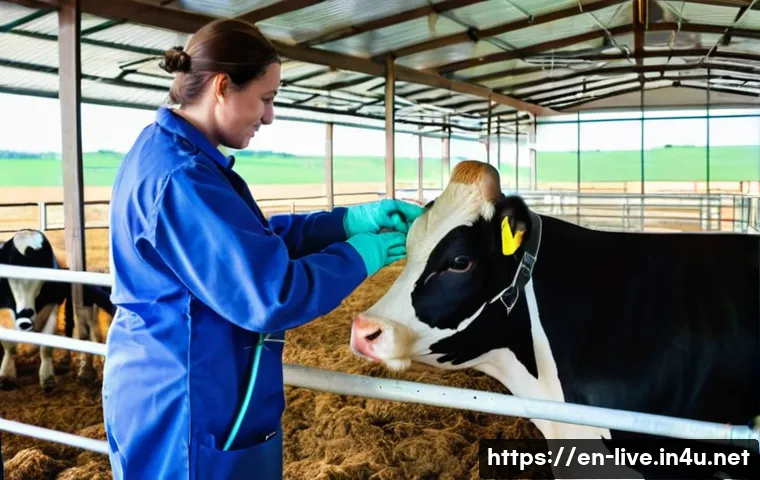
One morning, you might find yourself out on a sprawling ranch, conducting thorough inspections to ensure farmers are adhering to the latest animal welfare standards or implementing robust biosecurity protocols to prevent disease.
This often involves direct interaction with animals, assessing their living conditions, and reviewing feeding and care regimens. Later in the week, you could be back in a government office, meticulously poring over data from these inspections, analyzing trends, or collaborating with a team to draft impactful policy recommendations designed to enhance disease prevention strategies or promote sustainable practices across the nation.
I recall a fascinating conversation with a public health veterinarian who described a week that swung from investigating a mysterious illness on a remote poultry farm to presenting their findings at a national conference on zoonotic disease control.
It’s a role that demands adaptability, sharp critical thinking, and a profound sense of responsibility, knowing that your decisions can safeguard entire industries.
To give you a clearer picture of the kind of roles you might encounter, here’s a quick overview of some common positions within this field:
| Role Title | Primary Focus | Key Responsibilities |
|---|---|---|
| Veterinary Public Health Officer | Animal health, disease prevention, food safety | Investigating disease outbreaks, ensuring safe animal products, developing public health policies, conducting surveillance |
| Agricultural Policy Analyst | Policy development, regulatory frameworks, economic impact | Researching industry trends, drafting legislation, assessing economic effects of policies, advising government officials |
| Animal Welfare Inspector | Compliance with welfare standards, ethical treatment of animals | Conducting farm inspections, investigating complaints, educating farmers on best practices, enforcing regulations |
| Environmental Agricultural Specialist | Sustainable farming practices, environmental impact | Developing strategies for waste management, promoting sustainable land use, assessing environmental risks, advising on climate-resilient agriculture |
| Food Safety Auditor | Quality assurance, hygiene standards in processing | Auditing processing facilities, ensuring compliance with food safety laws, identifying contamination risks, certifying products |
Collaborating for a Greater Good
One of the most profoundly rewarding aspects of carving out a career as a civil servant in livestock farming is the sheer breadth and depth of collaboration you’ll experience.
Forget working in isolation; this field thrives on teamwork! You’ll regularly find yourself engaging with an incredibly diverse array of stakeholders: from seasoned farmers and dedicated veterinarians to cutting-edge researchers, influential industry representatives, other governmental agencies, and even international organizations grappling with global food challenges.
This spirit of collaborative problem-solving is absolutely vital, especially when tackling complex issues such as the emergence of a new animal disease or the development and integration of groundbreaking agricultural technologies.
I’ve personally witnessed teams comprised of specialists from vastly different backgrounds come together to craft comprehensive strategies for climate change adaptation within the livestock sector, pooling their unique expertise to forge truly innovative and robust solutions.
This cross-functional teamwork not only enriches your own understanding and broadens your perspective but also ensures that the policies and programs developed are well-rounded, practical, and ultimately, far more effective.
If you’re someone who thrives in dynamic environments where exchanging ideas, learning from others, and collectively working towards shared, impactful goals is the norm, then this career path offers immense personal satisfaction and an endless horizon for professional growth.
Gearing Up: Essential Skills and Qualifications for Success
While a strong academic background will certainly get your foot in the door, I’ve consistently observed that the truly successful civil servants in this field possess a crucial blend of “soft skills” that elevate their effectiveness and impact.
Think about the scenarios you might encounter: you could be dealing with sensitive situations involving farmers facing difficult challenges, or needing to communicate complex scientific information clearly and concisely to diverse audiences.
This requires exceptional communication skills – both written and verbal – to articulate policies effectively, to listen empathetically to concerns, and to negotiate constructively.
Critical thinking and robust problem-solving abilities are absolutely paramount; every situation can present unique complexities, and you’ll need to analyze facts, evaluate various options, and make sound, timely decisions, often under pressure.
Trust me, I’ve seen situations where swift, informed judgment has been the difference between a minor issue and a full-blown crisis. Furthermore, an unwavering ethical compass and a deep-seated commitment to public service are non-negotiable foundations for anyone in this line of work.
You’re operating for the greater good, and that demands integrity and a steadfast dedication to upholding the highest standards.
Beyond Degrees: The Soft Skills That Matter
While a strong academic foundation is undeniably crucial, what truly differentiates exceptional civil servants in livestock farming are the invaluable “soft skills” they bring to the table.
These aren’t skills you learn from textbooks, but rather through experience and self-awareness. Consider the constant need for effective communication; you’ll be interacting with everyone from farmers on the ground to high-ranking policy makers, each requiring a tailored approach.
The ability to articulate complex regulations clearly, listen empathetically to concerns, and negotiate solutions gracefully is paramount. I’ve personally seen how strong interpersonal skills can de-escalate tensions during difficult inspections or foster greater cooperation among diverse stakeholders.
Moreover, critical thinking and robust problem-solving abilities are non-negotiable. You’ll often face novel challenges – an unexpected disease outbreak, a new technological advancement, or evolving public expectations – that demand you analyze situations rapidly, evaluate potential solutions, and make sound, often high-stakes, decisions.
And let’s not forget integrity and resilience; public service often involves navigating bureaucratic hurdles and facing scrutiny, requiring a steadfast commitment to ethical conduct and the ability to bounce back from setbacks.
The Tech Savvy Civil Servant: Adapting to Modern Agriculture
It might sound a bit like science fiction, but technology is revolutionizing agriculture at an astonishing pace, and civil servants in livestock farming absolutely need to be at the forefront of this evolution.
We’re talking about far more than just spreadsheets! Think about drone technology being utilized for sophisticated herd monitoring and pasture analysis, or advanced data analytics employed to predict disease outbreaks with incredible accuracy and optimize resource allocation on a massive scale.
A basic understanding of GIS (Geographic Information Systems) for mapping agricultural land, or even some familiarity with data visualization tools, can be incredibly beneficial.
I once met a public health veterinarian who, with some self-taught coding skills, developed a sophisticated predictive model using publicly available environmental and animal health data to pinpoint high-risk areas for avian influenza, dramatically improving early response times.
It’s not about becoming a full-stack developer, but rather understanding how these technological tools can amplify your capabilities, enhance efficiency, and ultimately lead to better decision-making.
Embrace lifelong learning, cultivate a healthy curiosity about new innovations, and never shy away from experimenting with emerging digital platforms; this forward-thinking mindset will not only make your job easier but solidify your position as an invaluable asset to any agency.
Challenges and Triumphs: The Unvarnished Truth

Let’s be real for a moment. No career is without its challenges, and public service in livestock farming is no exception. One common hurdle, which I’ve personally seen frustrate even the most dedicated individuals, can be navigating bureaucratic processes.
Government work, by its very nature, often involves layers of approvals, strict protocols, and sometimes slower decision-making processes than in the private sector.
Patience and persistence become your best friends. Then there are the on-the-ground challenges, like dealing with contentious situations involving farmers who might be resistant to new regulations or facing the emotional toll of dealing with animal welfare issues or disease outbreaks.
Biosecurity, in particular, is a constant, high-stakes battle. I recall a colleague sharing stories of working through the night to contain a potential outbreak, the sheer pressure palpable.
It requires resilience, a thick skin, and an unwavering belief in the importance of your work to push through these moments. But it’s precisely these challenges that make the triumphs so much more meaningful.
Navigating the Hurdles: From Bureaucracy to Biosecurity
Let’s not sugarcoat it; embarking on a career in public service, particularly in a field as dynamic and often sensitive as livestock farming, comes with its own unique set of challenges.
One hurdle that many professionals, myself included, have to navigate is the inherent bureaucracy that can sometimes characterize government work. There are often multiple layers of approval, strict protocols to follow, and a pace of decision-making that can feel slower than in the private sector.
Patience and a robust understanding of administrative processes become incredibly valuable assets. Beyond the paperwork, there are the very real, on-the-ground difficulties: engaging with farmers who may be resistant to new regulations, or the emotional weight of addressing serious animal welfare concerns.
Perhaps the most critical challenge is the constant, high-stakes battle against disease outbreaks. I vividly recall a colleague recounting their experience of working tirelessly through the night during a suspected avian influenza crisis, the immense pressure to contain it palpable.
These situations demand incredible resilience, a thick skin, and an unwavering belief in the profound importance of your work to push through.
The Rewards: Seeing Your Impact Blossom
Despite the inherent challenges, the triumphs and rewards that come from a career in public service within livestock farming are truly profound and deeply satisfying.
Imagine being an integral part of a team that successfully contains a widespread animal disease outbreak, thereby saving countless animals, safeguarding the livelihoods of farming communities, and crucially, protecting public health from zoonotic threats.
Or consider the immense satisfaction of contributing to the development and implementation of new, sustainable farming practices that not only benefit the environment but also lead to long-term economic stability for agricultural producers.
The sense of profound purpose you gain from knowing your work directly contributes to global food security, elevates animal welfare standards, and fosters a healthier planet is incredibly powerful and motivating.
I’ve personally witnessed the sheer joy and pride in the eyes of public servants when a policy they meticulously researched and championed is finally brought into effect, leading to tangible, positive improvements across farming communities.
Beyond the immediate impact, there’s the continuous opportunity for learning and professional growth; this field is constantly evolving with new research, technologies, and policy considerations, ensuring you’ll always be at the cutting edge.
For me, the greatest reward is the quiet, daily satisfaction of knowing that your efforts are making a real, discernible difference that ripples through communities and impacts countless lives, far beyond the confines of any office or field visit.
Future Horizons: Innovation and Growth in Agribusiness
It’s undeniable: digital transformation is sweeping through every industry, and agriculture is no exception. For civil servants in livestock farming, this means embracing a whole new toolkit.
We’re talking about precision livestock farming, where sensors monitor individual animal health, feed intake, and even movement patterns in real-time, providing data that can prevent disease and optimize production.
The use of artificial intelligence for predictive analytics – think forecasting disease outbreaks or market trends – is becoming increasingly sophisticated.
Robotics are even entering the barn, assisting with tasks like milking or feeding, freeing up farmers for more complex management. I’ve recently read about initiatives using blockchain technology to create unparalleled traceability in the food supply chain, giving consumers absolute confidence in the origin and journey of their food.
As a public servant, your role isn’t just to observe these innovations but to understand, regulate, and facilitate their ethical and effective implementation.
This dynamic environment means continuous learning and being at the cutting edge of agricultural technology, making for a truly exhilarating career.
The Digital Revolution in Agriculture
The digital revolution isn’t just a buzzword; it’s profoundly reshaping every facet of agriculture, and for civil servants in livestock farming, this means an exhilarating new frontier.
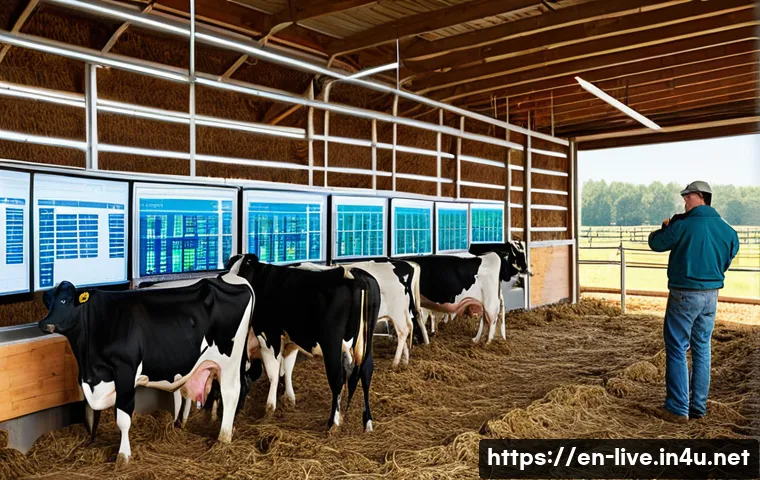
We’re witnessing the rise of precision livestock farming, where sophisticated sensors embedded throughout farms collect real-time data on individual animal health, feed consumption, and even subtle behavioral changes.
This rich data stream, when analyzed with artificial intelligence, can predict potential disease outbreaks before they escalate, optimize feeding regimens for peak health, and even enhance breeding programs.
Robotics are no longer confined to factories; they’re increasingly seen in barns, assisting with tasks from automated milking to precise feed distribution, thereby freeing up farmers for more strategic management.
I’ve recently delved into articles highlighting how blockchain technology is being explored to create unparalleled traceability within the food supply chain, offering consumers unprecedented transparency about the origin and journey of their food.
As a public servant, your role evolves from merely understanding these innovations to actively regulating their ethical deployment, facilitating their adoption, and ensuring they contribute positively to food security and animal welfare.
It’s a truly dynamic field that demands continuous learning and a proactive approach to technology.
Sustainability as the Guiding Star
The conversation surrounding sustainable food systems isn’t just intensifying; it’s becoming the guiding star for the entire agricultural sector. And for excellent reason!
The undeniable pressures of climate change, dwindling natural resources, and an increasingly vocal consumer demand for ethically and environmentally sound food production are driving a monumental shift in how we approach livestock farming.
Civil servants are absolutely central to navigating and guiding this crucial transition. This critical work involves developing and implementing policies that actively promote regenerative agriculture, drastically reduce greenhouse gas emissions originating from farms, and ensure the responsible, efficient management of precious water and land resources.
It also means actively supporting cutting-edge research into innovative alternative protein sources, devising robust strategies for comprehensive waste reduction, and fostering biodiversity within agricultural landscapes.
I’ve personally observed government-backed programs that enthusiastically encourage farmers to adopt practices like rotational grazing, which demonstrably improves soil health and enhances carbon sequestration.
These aren’t just abstract concepts; they are tangible, impactful initiatives that shape our future. If you possess a deep-seated passion for environmental stewardship and aspire to contribute to forging a food system that is resilient, fair, and ecologically sound for generations to come, then a career in this field offers an unparalleled and urgent opportunity to lead that essential charge.
From Policy to Pasture: How Your Work Shapes the Industry
Sometimes, when we think of “policy,” it feels abstract, like something written in dusty old books, far removed from daily reality. But in the vibrant world of livestock farming, policy is anything but abstract.
It’s the living, breathing framework that directly shapes daily operations on countless farms, profoundly influences consumer choices at the grocery store, and critically ensures public safety.
As a civil servant in this domain, you’re not just a small cog in a giant machine; you are frequently an essential architect of these vital frameworks.
From meticulously setting the standards for humane animal transportation to carefully regulating the judicious use of antibiotics in livestock, your dedicated work directly translates into tangible, real-world impact.
I vividly recall a discussion with a seasoned policy analyst who had devoted years to researching and passionately advocating for revised, more humane slaughter regulations.
Seeing those regulations eventually implemented, and knowing the profound positive difference it made to animal welfare across the country, was for them, unequivocally, the pinnacle of their entire career.
It’s about deftly taking complex scientific evidence, rigorous research, and stakeholder feedback, and then skillfully translating all of it into practical, enforceable rules that demonstrably benefit everyone – the animals, the dedicated farmers, and the discerning consumers.
The Power of Policy in Practice
It’s easy to view policy as something distant and theoretical, but in the realm of livestock farming, policy is the very backbone of the industry, shaping every action from the smallest farm to large-scale operations.
As a civil servant, your role isn’t merely to interpret existing rules, but often to be an active participant in their creation. Think about the regulations governing animal transportation – these directly impact the welfare of millions of animals.
Or consider the intricate policies around antibiotic use, which are crucial for public health and preventing antimicrobial resistance. Your work directly translates scientific knowledge and ethical considerations into practical, enforceable guidelines that ensure safety, quality, and humane practices.
I remember a conversation with a veterinarian who transitioned into policy work, explaining how rewarding it was to see their research and recommendations become enshrined in law, leading to tangible improvements in animal health across the state.
This is where your academic understanding truly meets real-world application, allowing you to influence an entire sector for the better.
Ensuring Global Food Security and Public Trust
In our increasingly interconnected world, the responsibilities of civil servants in livestock farming extend far beyond national borders. Issues like a localized animal disease outbreak can rapidly escalate into international concerns, requiring swift and coordinated responses.
Similarly, the meticulous oversight of trade agreements for agricultural products is vital, ensuring fair practices and consistent standards across continents.
Your dedicated work contributes directly to global food security by fostering stable, safe, and reliable supply chains for essential animal products. Moreover, you play an absolutely pivotal role in cultivating and maintaining public trust in the food system.
When consumers confidently select a carton of eggs or a package of ground beef from their local grocery store, they are implicitly trusting that these products are safe, healthy, and have been produced according to stringent ethical and quality standards.
It is the diligent and often unseen work of public servants – from field inspectors ensuring compliance to researchers validating safety protocols and policy advisors shaping regulations – that steadfastly upholds this fundamental trust.
I’ve often reflected on how critical this trust truly is; it forms the bedrock of our entire food system. Being a part of maintaining that trust, and ensuring that every bite we take is safe, wholesome, and responsibly sourced, is a profound responsibility that carries immense weight and, for the right individual, an unparalleled sense of satisfaction and purpose.
글을마치며
So, we’ve journeyed together through the often-unseen yet incredibly vital landscape of public service in livestock farming. It’s a world far more dynamic and rewarding than many might initially picture, stretching from the tranquil pastures to the bustling policy rooms, all driven by an unwavering commitment to our collective well-being. I’ve personally been so impressed by the sheer dedication these professionals exhibit, constantly balancing scientific rigor with practical application, always with an eye on both immediate needs and future sustainability. If you’ve been pondering a career that offers profound purpose, where your efforts directly contribute to the health of animals, the stability of our food systems, and the environmental integrity of our planet, then seriously consider this path. It’s a career where intellectual curiosity is constantly fed, where challenges are opportunities for innovative solutions, and where the sense of making a tangible difference truly fills your soul. Trust me, the impact you can achieve here isn’t just a line on a resume; it’s a legacy that touches countless lives, ensuring safer meals, healthier animals, and a more sustainable future for us all. It’s an opportunity to truly be an unsung hero, shaping the very foundation of our daily lives.
알아두면 쓸모 있는 정보
1. Forge Connections Early and Often: In this field, who you know can genuinely be as important as what you know. Make it a point to attend industry conferences, join professional agricultural associations, and actively engage with experts on platforms like LinkedIn. Many fantastic opportunities arise through these personal connections, providing insights and pathways that traditional job boards simply can’t offer. I’ve seen countless instances where a casual conversation at a workshop blossomed into a mentorship or a crucial job lead, so don’t underestimate the power of a friendly introduction. Building a robust network isn’t just about finding a job; it’s about becoming an integrated part of a supportive community.
2. Embrace Practical Experience: While a stellar academic record is a great starting point, nothing truly prepares you for this role quite like real-world, hands-on experience. Seek out internships with government agencies, volunteer at local agricultural extension offices, or even spend time working on a commercial farm. These experiences provide invaluable insights into daily operations, the unique challenges farmers face, and the intricate balance required to ensure both animal welfare and productivity. I can tell you from personal observation that these “boots-on-the-ground” moments not only look fantastic on a resume but also equip you with the kind of street-smart knowledge and empathy that textbooks simply cannot convey, setting you apart from the crowd.
3. Cultivate Continuous Learning Habits: The agricultural landscape is in a constant state of evolution, driven by new scientific discoveries, emerging technologies, and shifts in global policy. To thrive as a civil servant in livestock farming, you absolutely must commit to lifelong learning. Subscribe to leading industry newsletters, regularly pore over academic journals focusing on animal science or public health, and participate in relevant webinars. Staying ahead of the curve gives you a competitive edge and deepens your understanding of the complex, interconnected factors shaping our food systems. This proactive approach ensures you remain an invaluable asset, always ready to adapt to new challenges and champion innovative solutions.
4. Master the Art of Communication: In this career, your ability to communicate effectively, both verbally and in writing, is paramount. You’ll be interacting with an incredibly diverse range of stakeholders – from farmers who speak the language of the land to scientists steeped in complex data, and policymakers focused on legislative details. Being able to clearly articulate complex regulations, empathetically listen to concerns, and skillfully negotiate solutions during potentially sensitive situations is a game-changer. I’ve personally witnessed how strong, clear communication can de-escalate tensions during difficult inspections or foster greater collaboration on critical initiatives, making it an indispensable skill for anyone aiming to truly make an impact.
5. Become Tech-Savvy: Don’t let the traditional image of farming fool you; modern agriculture is increasingly driven by technology. A foundational understanding of tools like data analytics, Geographic Information Systems (GIS) for mapping agricultural land, or even some familiarity with basic coding can significantly amplify your capabilities. Agencies are actively seeking professionals who understand how to leverage drones for herd monitoring, use AI for predictive disease modeling, or implement blockchain for supply chain traceability. Embracing these technological advancements not only makes your work more efficient and impactful but also solidifies your position as a forward-thinking professional in a rapidly digitizing industry. Future-proofing your skills starts now!
중요 사항 정리
To sum it all up, a career in public service within livestock farming is far more than just a job; it’s a profound commitment to a vital industry and to society at large. It demands a powerful blend of robust scientific expertise, an unwavering ethical compass, and exceptional people skills, particularly in communication and problem-solving. While you’ll undoubtedly face your share of administrative hurdles and complex, on-the-ground challenges – from navigating bureaucratic processes to mitigating animal disease outbreaks – the immense personal satisfaction derived from safeguarding our food supply, championing ethical animal welfare standards, and actively driving sustainable agricultural innovation is truly unparalleled. This isn’t just about following rules; it’s about being a proactive force for good, ensuring public trust, and contributing to a healthier, more secure future for everyone, farm to table. It’s a pathway for those who seek to make a real, lasting impact.
Frequently Asked Questions (FAQ) 📖
Q: So, what does a civil servant in livestock farming actually do day-to-day?
A: That’s a fantastic question, and honestly, the answer is wonderfully varied, which is part of what makes it so engaging! From what I’ve observed and heard, these folks wear many hats.
A huge chunk of the job involves safeguarding our food supply. Think about it: they’re inspecting everything from farm facilities to incoming food products, making sure what ends up on our plates is safe and sound.
Beyond that, they’re the unsung heroes protecting animal health by monitoring for disease outbreaks, responding swiftly to any threats, and even working on policies that promote ethical animal welfare practices right on the farm and during transport.
It’s not all inspection, though. Many are deeply involved in research, looking into sustainable farming methods, or even helping shape agricultural policies to support farmers and rural communities.
They also play a crucial role in international trade, facilitating the safe movement of animals and animal products across borders. Imagine being at the forefront of preventing a foreign animal disease from entering your country – that’s the kind of high-stakes, impactful work they’re doing!
Q: Why should someone choose a career as a civil servant in livestock farming? What’s truly rewarding about it?
A: If you’re anything like me, you want a career that truly makes a difference, right? And that’s exactly what you get here. I’ve found that the biggest draw for people in this field is the immense sense of purpose.
You’re not just working a job; you’re actively contributing to something fundamental: ensuring safe, nutritious food for millions. There’s an incredible satisfaction in knowing you’re helping protect animal welfare, leading to healthier animals and more humane systems.
For me, seeing the dedication to sustainable agriculture, protecting our natural resources, and even tackling big issues like climate change impacts and food security on a global scale is incredibly inspiring.
It’s a job where your expertise genuinely helps prevent foodborne illnesses, mitigates environmental harm, and supports the very backbone of our rural economies.
It’s challenging, for sure, but the feeling of being on the front lines, literally shaping the future of our food systems, is profoundly fulfilling. It’s about being part of a team that’s building a healthier, stronger future for everyone.
Q: What kind of education or background do you usually need to get into this field?
A: That’s a really practical question, and it’s great you’re thinking about it! From what I’ve gathered, the path can be pretty diverse, but there are definitely some common threads.
For many entry-level positions, a good high school education combined with some relevant experience might open doors. However, for roles with more responsibility, especially those involving policy, research, or direct animal health, a bachelor’s degree is often the baseline.
Fields like animal health, animal science, veterinary medicine, agricultural biotechnology, or even public health are highly relevant. I’ve heard of folks with specialized certifications in areas like food safety or animal inspection finding great opportunities too.
Experience is always a big plus, even if it’s from internships, volunteering on a farm, or working in related industries. Beyond the academic side, I’d say strong communication skills, an eye for detail, and a genuine passion for animals and public service are absolutely essential.
And don’t forget the standard civil service requirements like citizenship and passing background checks – those are usually a given! It’s less about a single rigid path and more about building a solid foundation in agriculture or animal-related studies, then staying curious and open to learning on the job.