A new livestock bill does not automatically create an immediate duty for every farm. Before changing facilities, buying monitoring equipment, or hiring outside help, confirm the rule’s jurisdiction, legal status, effective date, and whether your operation is covered.
Requirements can vary by animal type, farm size, production method, location, and sales channel. The practical issue is usually not the headline itself, but the records, permits, inspection readiness, and operating changes that may follow.

A structured review can help farm owners compare internal compliance work with farm management software, environmental monitoring tools, or professional compliance support without committing budget too early.
At a Glance
- Confirm applicability first: check the jurisdiction, legal status, effective date, and enforcement authority before spending on upgrades.
- Review operational exposure: new requirements may involve records, animal welfare, waste handling, transport, labeling, permits, or disease-control practices.
- Choose support based on burden: internal staff, compliance consultants, and monitoring tools each fit different levels of risk and documentation work.
| Option | May Fit Best When | Key Review Point |
|---|---|---|
| Handle compliance in-house | Requirements are clear, records are organized, and staff have time to manage routine updates. | Make sure one person owns the checklist, document storage, and deadline tracking. |
| Use a compliance consultant | The law is complex, the farm has several sites, or permit and inspection exposure is uncertain. | Ask whether the consultant covers the relevant livestock sector and jurisdiction. |
| Upgrade monitoring software or equipment | Reliable records, environmental data, traceability, or ongoing monitoring may be needed. | Confirm technical standards before buying sensors, cameras, or farm management software. |
What a New Livestock Bill Means for Your Farm Right Now
The first step is to determine whether the change is a proposal, an enacted law, or agency guidance. A proposed bill is not necessarily enforceable, while agency guidance may explain expectations without replacing the legal text. Farm decisions should be based on the applicable official rule, not a short media summary or an industry discussion alone.
Separate proposed rules, enacted laws, and agency guidance
Start by identifying the document you are reading. A bill may still be under review, amended, delayed, challenged, or replaced. An enacted law may require later regulations before its details can be applied in practice. Guidance can be useful for planning, but it should not be treated as the same thing as a binding requirement unless the responsible authority says otherwise.
Confirm the jurisdiction, effective date, and farms covered
Livestock rules can come from national, state, provincial, regional, or local authorities. Coverage may depend on the animal type, farm size, production method, location, and sales channel. Check the effective date, transition period, exemptions, and enforcement authority. These points can affect whether action is needed now, later, or not at all for a particular operation.
Top-priority actions before changing operations or making purchases
Collect the official text and any current implementing material. List the parts of the farm that could be affected, such as housing, transport, manure handling, animal identification, records, or buyer documentation. Avoid ordering compliance equipment solely because it is marketed as regulation-ready; the applicable technical standard may be different from the product feature list.
The Compliance Areas Most Likely to Change
New livestock legislation can affect more than a single farm task. A change in one area may also alter contracts, staff training, inspection preparation, insurance discussions, or the records requested by buyers and lenders.
Animal welfare, housing, handling, and transport requirements
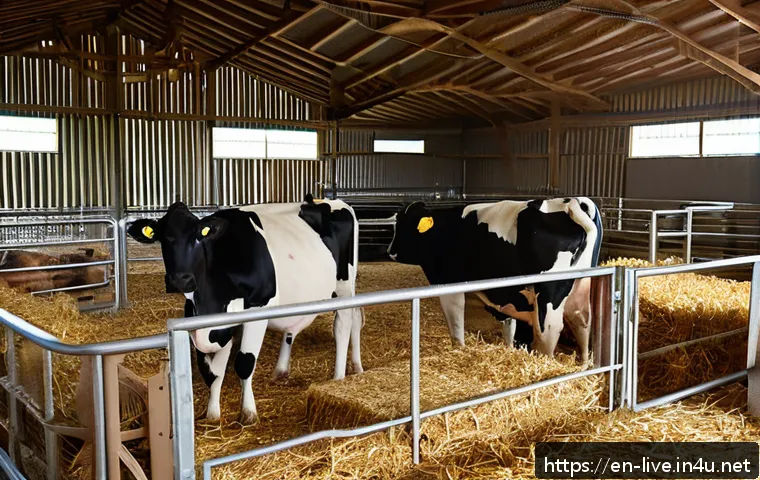
Animal welfare provisions may concern housing conditions, handling processes, transport practices, or documentation showing how procedures are managed. The relevant question is not simply whether a farm already follows a good practice. It is whether the applicable rule requires a specific process, record, facility standard, or proof during an inspection.
Environmental controls, manure management, water, and emissions records
Environmental requirements may involve waste handling, manure management, water-related records, permits, or monitoring. Farms considering environmental monitoring equipment should separate operational value from legal necessity. Sensors, data logging tools, and reporting software can improve organization, but their usefulness depends on what must actually be measured, retained, and reported.
Biosecurity, disease reporting, traceability, and inspection documentation
Biosecurity and disease-control changes can create new documentation demands even when day-to-day animal care remains similar. Review visitor procedures, movement records, animal identification, reporting steps, and document retention practices. A traceability process is only useful if staff can follow it consistently and locate records quickly when an inspector, buyer, insurer, or veterinarian requests them.
Compare the Operational Cost and Value of Compliance Options
Compliance cost is not limited to a facility upgrade. It can include staff time, recordkeeping, training, outside review, recurring software subscriptions, equipment maintenance, and changes to routine workflows. A useful comparison separates one-time decisions from obligations that continue throughout the year.
Internal recordkeeping and staff training
In-house management may be appropriate when the requirements are limited and the farm has staff who can maintain reliable records. Assign clear ownership for each task: updating logs, monitoring deadlines, storing permits, training workers, and preparing for inspections. The risk is not always a lack of effort; it is often inconsistent documentation or unclear responsibility.
Farm management software, sensors, cameras, and monitoring systems
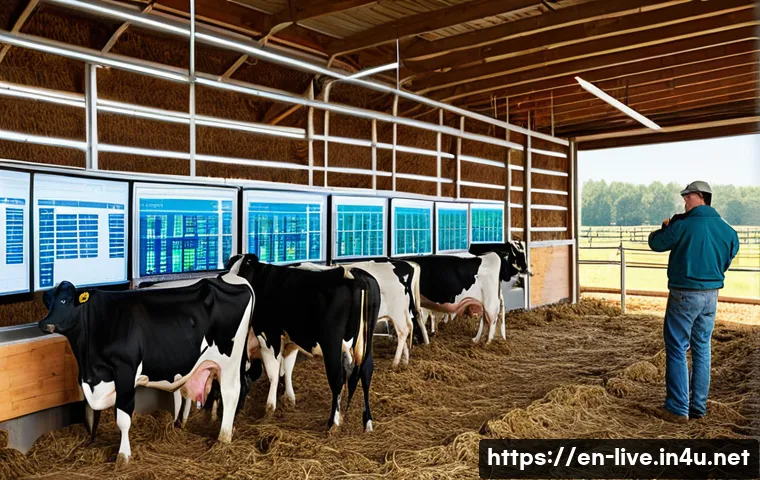
Farm management software can centralize livestock records, task logs, maintenance notes, and inspection documents. Monitoring systems may help organize environmental or operational data where ongoing evidence is useful. Before comparing vendors, define the records you need, who will enter information, how reports will be exported, and whether the system supports the farm’s actual workflow. Do not assume a digital tool alone proves compliance.
Legal, environmental, veterinary, and agricultural consulting support
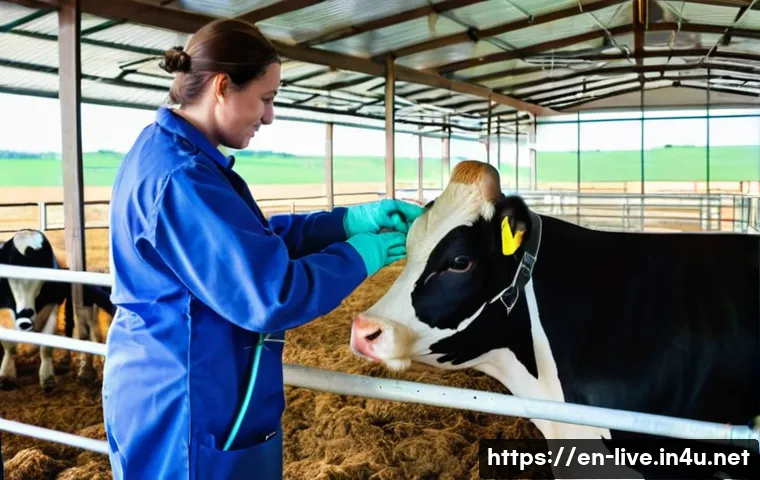
Outside advice may be worthwhile when the farm faces unclear coverage, permit questions, multi-site operations, complex environmental issues, or high inspection exposure. Legal, environmental, veterinary, accounting, and agricultural consulting services address different questions. Ask each provider what they review, what they do not review, and whether they will give a written scope of work. This helps avoid paying for a general assessment when a narrower technical review is needed.
A Practical Review Process Before You Commit Budget
A short internal review can reduce rushed spending and reveal which compliance gaps are real. Build the review around the official requirement rather than around a product category or a headline.
Build a requirement-by-requirement compliance checklist
Create a list with four columns: the requirement, the farm process affected, the evidence available, and the action needed. Mark each item as confirmed, unclear, or not applicable. This format makes it easier to decide whether staff can handle the work or whether a compliance consultant should review specific issues.
Identify one-time upgrade costs and recurring service costs
Separate facility changes, equipment purchases, installation, training, and professional setup work from recurring costs such as monitoring, data storage, maintenance, software access, or periodic consulting. This distinction matters because a low initial purchase may still create a significant ongoing administrative workload.
Keep documentation for inspections, lenders, insurers, and buyers
Well-organized records can serve more than one purpose. Inspection files, training records, maintenance notes, permits, and animal movement documentation may also be relevant in lender, livestock insurance, or buyer conversations. Keep copies in a controlled location and make sure staff know which version is current.
Common Interpretation Mistakes That Create Avoidable Risk
Most mistakes begin before a farm changes anything. They often come from applying incomplete information to an operation with different animals, location, or sales practices.
Assuming a media summary applies to every farm
Headlines are useful for awareness, not for deciding legal coverage. They may omit definitions, exceptions, phase-in rules, or local requirements. Always compare the summary with the official source that applies to the farm.
Missing exemptions, phase-in periods, or local requirements
A farm may be excluded from one rule but subject to another local permit, inspection, or waste-handling requirement. Likewise, a transition period may allow time for planning without removing the need to prepare. Verify the current status rather than relying on an older article or supplier statement.
Buying compliance products before confirming technical standards
Products described as compliance tools may be useful, but the law may not require that product type, data format, or monitoring method. Ask vendors which standards their product supports and request clear information about reporting, record retention, maintenance, and staff training needs.
Selection Criteria and Comparison Summary
Before choosing an approach, assess farm size, recordkeeping burden, inspection risk, staff time, budget, and the clarity of the applicable rule. In-house management can be sufficient when obligations are straightforward and documentation is controlled. A consultant may be more valuable when coverage is uncertain or several regulatory areas overlap. Software or monitoring equipment may be worth comparing when recurring records are difficult to maintain manually. For detailed conditions, technical compatibility, and service scope, review the relevant provider page before making a commitment.
When in-house compliance is usually sufficient
Internal management may work when the farm can identify the applicable rule, assign responsible staff, maintain records consistently, and respond to inspection-related questions without major uncertainty.
When outside advice or compliance tools may be worth the cost
Consider specialized support when a requirement affects permits, environmental controls, animal health procedures, contracts, or multiple facilities. Consider farm management software or monitoring systems when repeated manual logs are creating gaps or when records must be organized across teams.
Questions to ask before choosing a consultant, software provider, or equipment vendor
Ask what jurisdiction and livestock sectors they support, what records or standards their service addresses, who is responsible for data entry and maintenance, what recurring work is required, and what is excluded from the service. Clear answers are more useful than broad claims that a product is suitable for every regulation.
In Closing
A new livestock law should trigger a careful review, not an automatic purchase decision. Confirm the legal status and farm coverage first, then identify the records, processes, and facilities that may be affected. A focused checklist can show whether internal staff can manage the work or whether outside support is justified. Keeping documentation organized also makes later inspections, insurance reviews, and buyer requests easier to handle.
Useful Information to Keep in Mind
1. Save the official text and the date you accessed it.
2. Track changes separately from existing farm procedures.
3. Treat vendor claims as product information, not legal confirmation.
4. Review local requirements alongside broader legislation.
5. Update staff responsibilities when recordkeeping duties change.
Important Notes
This article provides general operational guidance only. It does not identify a specific country, state, province, locality, bill, effective date, exemption, penalty, or enforcement procedure. Official requirements, transition periods, and applicability should be verified with the responsible authority and, where appropriate, qualified legal, environmental, veterinary, accounting, or agricultural professionals.
Frequently Asked Questions
Q1. How can I tell whether a new livestock law applies to my farm?
A1. Check the official legal text and identify the jurisdiction, farms covered, animal type, production method, location, sales channel, effective date, and exemptions. If any of these points remain unclear, seek guidance from the responsible authority or an appropriate professional.
Q2. Should a small livestock business hire a compliance consultant or manage new rules internally?
A2. A small operation may manage requirements internally when they are clear and staff can maintain reliable records. A compliance consultant may be useful when the rule is difficult to interpret, affects permits or environmental matters, or creates inspection and documentation concerns beyond available staff capacity.
Q3. What costs should farmers estimate before upgrading facilities or monitoring equipment for a new regulation?
A3. Review possible one-time costs such as equipment, installation, facility changes, and training, along with recurring costs such as maintenance, data management, monitoring, software, and professional support. Confirm that the upgrade matches the actual requirement before committing budget.