Hey everyone! If you’re anything like me, you understand that the heartbeat of any successful farm often comes down to one critical area: exceptional livestock breeding management.
It’s a topic I’ve personally seen transform operations from struggling to thriving, and believe me, it’s far more intricate and rewarding than just ‘getting animals to reproduce.’ We’re living through an incredible agricultural revolution, where cutting-edge science and technology are literally reshaping how we can build healthier, more resilient, and astonishingly productive herds and flocks.
From the latest breakthroughs in genomic selection that help us predict traits with uncanny accuracy, to smart data analytics optimizing every decision, the landscape of animal husbandry is evolving faster than ever before.
This isn’t just about maximizing yields; it’s about ensuring animal welfare, reducing environmental impact, and securing the future of our food supply.
Trust me, overlooking the nuances here means leaving significant potential on the table. So, ready to unlock the secrets to mastering animal breeding, boost your farm’s efficiency, and truly make a difference?
Let’s dive deep into what’s genuinely working today and set your operation up for unparalleled success!
Precision Breeding: Unlocking Genetic Goldmines
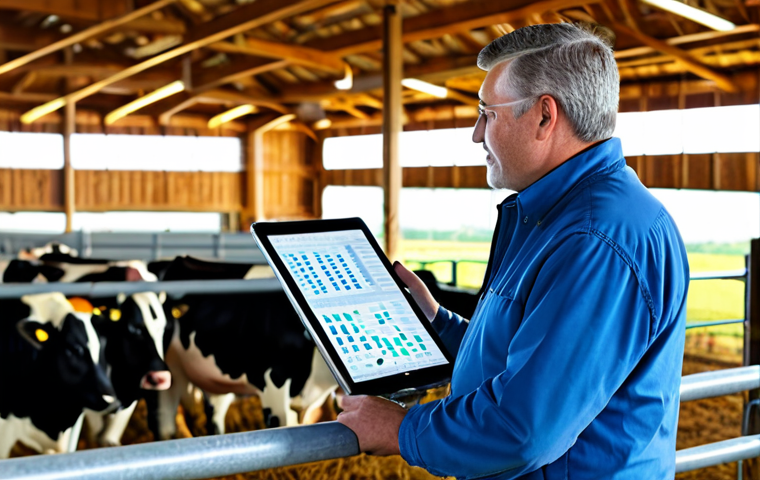
Alright, let’s talk genetics, because, honestly, if you’re not deeply invested in understanding the genetic makeup of your herd or flock, you’re leaving so much potential on the table. When I first started out, I thought breeding was mostly about finding a good sire and letting nature take its course. Boy, was I wrong! The real magic happens when you move beyond basic lineage and start diving into genomic selection. I’ve personally witnessed farmers transform their operations, not just by improving milk yield or meat quality, but by building animals that are inherently more resistant to common diseases, or those that exhibit exceptional longevity and reproductive efficiency. It’s like having a crystal ball, allowing you to predict traits with incredible accuracy before an animal even matures. This isn’t just some theoretical concept; it’s a tangible tool that, when implemented correctly, can drastically reduce your input costs, improve animal welfare by culling less productive or unhealthy individuals early, and ultimately, put more money in your pocket. It’s about being proactive rather than reactive, making informed decisions that shape the future generations of your livestock in profoundly positive ways. Think about it: every breeding decision you make today reverberates through years, even decades, of your farm’s productivity.
The Power of Genomic Selection and EPDs
If you haven’t already, you need to get intimately familiar with Estimated Progeny Differences (EPDs) and how genomic testing enhances them. For years, EPDs have been our go-to for predicting how an animal’s offspring will perform. They consider pedigree, individual performance, and progeny data. But then genomic selection came along and blew the doors wide open. By analyzing an animal’s DNA directly, we can get highly accurate EPDs much earlier in an animal’s life, even at birth! This means you don’t have to wait years for an animal to prove itself through its offspring. From my own experience, being able to identify high-value breeders as calves or lambs means you can make quicker, smarter decisions about retention, culling, and which animals to invest your time and resources into. It’s truly a game-changer for accelerating genetic progress and, frankly, I can’t imagine running my farm without this level of insight now. It simply makes economic sense.
Beyond Production: Breeding for Resiliency
While it’s tempting to solely focus on traits like growth rate or milk production, I’ve found that true long-term success comes from breeding for resiliency. What good is a high-producing animal if it’s constantly battling mastitis, lameness, or respiratory issues? Through careful genetic selection, particularly leveraging genomic data, we can identify animals that naturally possess stronger immune systems or are less prone to certain metabolic disorders. I’ve worked with producers who, by focusing on these health traits, have significantly reduced their veterinary bills and medication costs, not to mention the immense improvement in animal welfare. It’s a holistic approach that acknowledges the interconnectedness of production, health, and reproduction. Building a herd that can stand up to environmental stresses and common pathogens is not just a feel-good measure; it’s a strategic business decision that pays dividends for years.
Data-Driven Decisions: Your Farm’s New Compass
Gone are the days when breeding decisions were based solely on visual appraisal or anecdotal evidence. Today, if you’re not leveraging data, you’re simply guessing, and guessing is a luxury most farms can’t afford. I’ve found that integrating robust data management systems into your daily routine is as crucial as feeding your animals. From detailed individual animal records to performance metrics and reproductive cycles, every piece of information tells a story and offers an opportunity for improvement. This isn’t just about collecting data; it’s about analyzing it effectively to identify patterns, pinpoint areas of weakness, and capitalize on strengths. When I started tracking everything more rigorously – not just weight gain, but feed conversion ratios, calving intervals, and even temperament scores – I began to see my operation in a whole new light. It allowed me to make surgical, rather than sweeping, changes, which saved me time and money.
Leveraging AI and Machine Learning in Breeding Programs
This might sound futuristic, but AI and machine learning are no longer just for big tech companies; they’re rapidly making their way into modern agriculture, and honestly, they’re revolutionizing how we approach breeding. Imagine algorithms sifting through mountains of genetic and performance data, identifying optimal mating pairs with incredible precision, or predicting potential health issues before they even manifest. I’ve been experimenting with some basic AI tools that help me analyze my historical data to forecast trends in fertility rates based on environmental factors, or even predict which animals are likely to have a difficult calving. While I’m certainly not an AI expert, what I’ve seen is that these tools, even in their nascent stages, can provide insights that a human eye simply wouldn’t catch, leading to more efficient breeding schedules and healthier animals. It’s like having an incredibly intelligent assistant working tirelessly in the background.
Streamlining Record Keeping for Maximum Insight
Let’s be real, record-keeping can feel like a chore. But if you want to make data-driven decisions, it’s non-negotiable. The key is to find a system that works for you and sticks. Whether it’s sophisticated farm management software or a well-organized spreadsheet, the goal is consistency and accuracy. I remember my early days, scribbling notes on scraps of paper and trying to piece them together later – a recipe for disaster and missed opportunities. Now, with dedicated software, I can pull up an animal’s entire history in seconds: birth date, sire, dam, vaccinations, breeding dates, health treatments, and offspring performance. This comprehensive view helps me identify top performers, track genetic lines, and make informed culling decisions. It’s not just about managing numbers; it’s about understanding the narrative of each animal and the overall health of your farm.
Innovations in Reproductive Technologies
The world of reproductive technologies in livestock has advanced at an astounding pace, and it’s no longer just for large-scale operations. Farmers of all sizes can now access and benefit from techniques that were once considered cutting-edge and out of reach. From artificial insemination (AI) being a standard practice to more advanced embryo transfer (ET) and even in-vitro fertilization (IVF), these tools offer unparalleled control over genetic improvement and herd expansion. I’ve personally experienced the immense benefits of strategically incorporating AI into my breeding program; it allows me to access superior genetics from proven sires across the globe without the cost and logistical headaches of owning them. The impact on my herd’s quality and productivity has been profound, truly illustrating that smart investment in these technologies can yield significant returns.
Mastering Artificial Insemination for Genetic Gains
Artificial insemination (AI) isn’t just a convenient way to breed; it’s a cornerstone of rapid genetic improvement for most modern livestock operations. My early attempts were, shall we say, a learning curve, but with proper training and consistent practice, it becomes a routine, highly effective process. The beauty of AI lies in its ability to widely disseminate desirable traits from genetically superior males, far beyond what natural service could achieve. This means you can quickly upgrade your herd’s genetics for traits like feed efficiency, disease resistance, or carcass quality, often at a fraction of the cost of purchasing a high-quality bull or buck. It’s also a fantastic biosecurity measure, reducing the risk of disease transmission that comes with introducing new animals. If you’re not already using AI, seriously consider the training and investment; it’s one of the most impactful changes you can make.
Exploring Advanced Reproductive Methods: ET and IVF
For those looking to accelerate their genetic progress even further, embryo transfer (ET) and in-vitro fertilization (IVF) are powerful, albeit more intensive, options. I’ve seen some incredible results from producers who meticulously implement these techniques. ET allows you to collect multiple embryos from a genetically superior female (a “donor”) and implant them into recipient females, effectively multiplying her genetic contribution. IVF takes it a step further, fertilizing eggs outside the body, offering even greater control and efficiency in certain situations. While these methods require more specialized equipment, expertise, and a higher financial investment, the payoff can be substantial, especially for rapidly propagating elite genetics or quickly rebuilding a herd after a culling event. It’s a strategic choice for maximizing the impact of your very best animals.
Prioritizing Animal Welfare in Breeding Programs
As much as we talk about genetics and technology, let’s never forget the cornerstone of truly successful livestock farming: animal welfare. This isn’t just an ethical consideration; it’s a fundamental driver of productivity and profitability. Healthy, stress-free animals are simply more productive, have better reproductive rates, and are less susceptible to disease. From my perspective, ensuring our animals are well-cared for, from their diet and housing to how we manage their breeding cycles, directly impacts the quality of our product and the sustainability of our farm. I’ve learned that cutting corners on welfare invariably leads to higher costs down the line, whether through increased vet bills, reduced fertility, or poor growth rates. It’s a continuous commitment that underpins every decision we make in our breeding programs.
Breeding for Health and Temperament
When selecting breeding stock, beyond all the production metrics, I always prioritize health and temperament. A docile, calm animal is not only safer to handle but also generally less stressed, leading to better overall performance. Similarly, breeding for inherent robustness and resistance to common ailments reduces the need for interventions and improves the animal’s quality of life. I’ve personally seen how a focus on these traits over several generations can transform a challenging herd into one that’s a pleasure to work with, significantly reducing labor and veterinary expenses. It’s about creating animals that thrive naturally, rather than constantly battling issues. This holistic approach to breeding selection pays dividends not just in terms of animal well-being but also in the efficiency and profitability of your farm.
Stress Reduction During Breeding and Gestation
The breeding and gestation periods are critical times when minimizing stress is paramount for reproductive success. Anything from improper handling to inadequate nutrition or environmental stressors can negatively impact conception rates, embryo survival, and even the health of the offspring. I’ve found that providing a consistent, comfortable environment, ensuring proper nutrition tailored to reproductive needs, and minimizing disruptions during these sensitive phases makes a huge difference. Simple things like having quiet, clean breeding pens, ensuring adequate space, and gentle handling techniques can significantly improve outcomes. It’s about creating an environment where the animals feel safe and secure, allowing their natural physiological processes to proceed optimally.
Building a Robust Biosecurity Blueprint
Biosecurity isn’t just a fancy term; it’s the invisible shield that protects your entire operation, especially your breeding program, from devastating diseases. I’ve seen firsthand how a single disease outbreak can cripple a farm, wiping out years of genetic progress and incurring astronomical costs. A strong biosecurity plan isn’t optional; it’s a fundamental requirement for responsible livestock management. This involves everything from controlling access to your farm and quarantining new animals to strict hygiene protocols for equipment and personnel. It’s about being proactive and vigilant, always thinking about potential pathways for pathogens and how to block them. My personal experience has taught me that the effort you put into biosecurity upfront is a tiny fraction of the cost you’ll incur if a disease gets a foothold.
Quarantine Protocols for New Additions
This is non-negotiable, folks. Every single new animal introduced to your farm, whether purchased from another producer or returning from a show, must go through a strict quarantine period. I usually set aside a separate, isolated pen or pasture, far away from the main herd, for at least 30 days, sometimes longer if I’m particularly cautious or if the animal comes from an unknown source. During this time, I monitor them closely for any signs of illness, conduct necessary health tests (like for Johne’s, BLV, or BVD in cattle, for example), and ensure they are up to date on vaccinations. It’s a small inconvenience that provides massive protection against introducing diseases that could devastate your breeding stock. Trust me, skipping this step is a gamble you don’t want to take.
Hygiene and Sanitation: Your First Line of Defense
Good old-fashioned hygiene and sanitation are the unsung heroes of biosecurity. It might seem basic, but consistent cleaning and disinfection of facilities, equipment, and even your boots can prevent the spread of countless pathogens. I make it a point to regularly clean and disinfect feeding troughs, watering points, and working chutes. When moving animals between groups or after a health event, a thorough clean-up is mandatory. Consider boot washes and hand sanitizers for anyone entering or leaving animal areas, and dedicated clothing for farm work. It’s these consistent, seemingly small actions that collectively build a formidable defense against disease. It’s about cultivating a mindset of cleanliness and prevention in every aspect of your farm’s operation.
Economic Efficiency: Boosting Your Breeding ROI
Let’s talk money, because at the end of the day, our farms are businesses, and every decision, especially in breeding, needs to contribute to the bottom line. Maximizing your return on investment (ROI) in a breeding program isn’t just about getting more offspring; it’s about getting the *right* offspring efficiently. This means carefully evaluating feed costs, labor, veterinary expenses, and the market value of your animals. I’ve personally found that small, strategic adjustments can lead to significant financial gains. For instance, reducing the calving interval by even a few days can dramatically increase lifetime productivity per female, translating directly into more revenue. It’s a constant balancing act between investing in superior genetics or advanced technologies and ensuring those investments yield tangible, profitable results for your operation.
Optimizing Feed and Nutrition for Peak Reproduction
Feed isn’t just sustenance; it’s fuel for reproduction. Skimping on nutrition, especially for breeding stock, is a false economy. I’ve learned that providing a balanced diet, tailored to the specific needs of each physiological stage – whether it’s maintenance, gestation, or lactation – is crucial for optimal fertility and healthy offspring. For example, ensuring adequate mineral and vitamin supplementation can have a profound impact on conception rates and embryo viability. I regularly work with a nutritionist to ensure my feed program is dialed in, and the results speak for themselves: fewer open females, stronger newborns, and better overall herd health. It’s an investment that truly pays off, both in terms of reproductive performance and the long-term health of your animals.
Strategic Culling and Replacement Planning
Culling might sound harsh, but it’s an absolutely essential and financially savvy practice in any successful breeding program. Holding onto unproductive or problematic animals drains resources and hinders genetic progress. I make it a point to regularly evaluate each animal’s performance: reproductive efficiency, health history, temperament, and the quality of their offspring. Animals that consistently underperform, have chronic health issues, or fail to conceive are candidates for removal. This creates space and resources for more productive, genetically superior replacements. I often hear people get emotionally attached, and I get it, but objectively evaluating your stock and making tough decisions is key to maintaining a profitable, healthy, and progressively improving herd. It’s about making room for the future.
Embracing Sustainable Breeding Practices
In today’s world, sustainability isn’t just a buzzword; it’s becoming an expectation from consumers and a critical component of resilient farm operations. For me, sustainable breeding practices mean not only focusing on environmental stewardship but also ensuring the long-term viability and ethical treatment of our animals and the land we manage. It’s about creating a harmonious balance where our breeding efforts contribute positively to the ecosystem and secure the future of agriculture. This involves everything from minimizing our carbon footprint and conserving natural resources to ensuring high animal welfare standards and fostering biodiversity. I’ve personally found immense satisfaction in adopting practices that align with these values, knowing that I’m contributing to a healthier planet and a more responsible food system.
Reducing Environmental Impact Through Selective Breeding
Believe it or not, selective breeding can play a significant role in reducing your farm’s environmental footprint. How? By breeding animals that are more feed-efficient, meaning they convert feed into product (meat, milk, fiber) with less waste. This directly reduces the amount of feed grains needed, which in turn lowers the land, water, and energy required for feed production. Furthermore, breeding for disease resistance can reduce the reliance on antibiotics and other treatments, lessening their environmental impact. I’ve been actively selecting for animals that demonstrate better feed conversion, and it’s remarkable how even marginal improvements across a herd can add up to substantial environmental and economic savings. It’s a win-win: better for the planet, better for your wallet.
Promoting Biodiversity and Local Breeds
While modern commercial breeds offer excellent production traits, there’s a compelling argument to be made for promoting biodiversity and, where appropriate, utilizing local or heritage breeds. These animals often possess unique traits like exceptional hardiness, disease resistance, or adaptability to specific local climates and forage conditions that modern breeds might lack. I’ve found that incorporating some genetic diversity can strengthen a herd’s overall resilience against unforeseen challenges. For small-scale operations or those catering to niche markets, local breeds can also offer a unique selling proposition and contribute to the preservation of valuable genetic resources. It’s about recognizing the inherent value in a wide array of genetic traits and not putting all your eggs in one basket, so to speak.
| Breeding Strategy | Key Benefits | Considerations |
|---|---|---|
| Natural Service | Low labor, natural behaviors, less equipment needed | Limited genetic diversity, biosecurity risks, unknown sire contribution |
| Artificial Insemination (AI) | Access to superior genetics, biosecurity control, detailed records | Requires training, heat detection accuracy crucial, time-sensitive |
| Embryo Transfer (ET) | Rapid multiplication of superior female genetics, accelerated progress | High cost, specialized expertise, surgical procedure for donors |
| In-Vitro Fertilization (IVF) | Maximizes genetic potential from valuable animals (even post-mortem), greater control | Very high cost, advanced laboratory facilities, highly specialized |
| Genomic Selection | Early and accurate prediction of traits, accelerated genetic gain | Cost of testing, complex data interpretation, breed-specific panels |
Wrapping Up Our Journey into Precision Breeding
Well, we’ve covered a lot today, haven’t we? Diving deep into precision breeding, from the nitty-gritty of genomics to the profound impact of animal welfare and the crucial role of data. What I truly hope you take away from this is that modern livestock farming isn’t just about tradition anymore; it’s a dynamic, ever-evolving field where science, technology, and a deep understanding of our animals converge. By embracing these strategies, you’re not just improving your bottom line, you’re building a more resilient, ethical, and sustainable future for your farm. It’s a journey, not a destination, and I’m genuinely excited to see how you’ll unlock even more genetic goldmines in your own operations.
Useful Information to Know
1. Start Small with Data: You don’t need a super-complex system from day one. Begin by consistently tracking key metrics like birth dates, breeding dates, and any health issues for each animal. Even a simple spreadsheet can provide immense insights and help you identify patterns you might otherwise miss.
2. Invest in Training: If you’re considering advanced techniques like Artificial Insemination (AI), don’t skimp on professional training. Proper technique is paramount for success, and a good course will save you countless headaches and lost productivity in the long run.
3. Network with Peers: Seriously, talk to other farmers and breeders who are successfully implementing these strategies. Their real-world experiences, successes, and even failures can offer invaluable lessons and practical advice that you won’t find in textbooks.
4. Consult the Experts: Don’t be afraid to reach out to geneticists, veterinarians, or animal nutritionists. These professionals can provide tailored advice and help you navigate the complexities of genomic selection, reproductive technologies, and optimized feeding programs for your specific goals.
5. Prioritize Biosecurity: Think of biosecurity as your farm’s immune system. Even seemingly small breaches can lead to significant problems. Establishing clear protocols for visitors, new animals, and equipment can save you from devastating disease outbreaks and protect your invaluable genetic investments.
Key Takeaways
Embracing precision breeding means leveraging data, genomics, and advanced reproductive technologies to make informed decisions that drive genetic progress. Prioritizing animal welfare and robust biosecurity measures isn’t just ethical; it’s economically vital. Ultimately, a strategic approach to breeding leads to healthier animals, increased productivity, and a more sustainable, profitable farm for years to come.
Frequently Asked Questions (FAQ) 📖
Q: With all this talk about an “agricultural revolution” and “cutting-edge science,” what’s the single most impactful new technology in livestock breeding right now, and how can a farmer like me actually use it?
A: Oh, if I had to pick just one game-changer that’s genuinely reshaping livestock breeding, it would absolutely be genomic selection. I’ve personally seen its power, and it’s like having a crystal ball for your animals’ genetic potential!
Forget waiting years to see how offspring perform; genomic selection uses an animal’s DNA to predict traits like growth rate, milk production, disease resistance, and even fertility with incredible accuracy, and it can do this when animals are super young.
It’s basically a souped-up version of traditional selective breeding, but instead of just looking at pedigrees and physical traits, we’re diving deep into their genetic code to make smarter decisions faster.
Now, how can you use it? While it might sound super high-tech, it’s becoming more accessible. For many, it starts with getting your breeding stock, especially your potential herd sires or foundation females, genotyped.
This typically involves taking a tissue sample (like an ear notch), sending it to a lab, and getting back a report on their Genomic Estimated Breeding Values (GEBVs).
These GEBVs give you a much more accurate picture of an animal’s genetic merit than traditional Estimated Breeding Values (EBVs) alone. From there, you can make incredibly informed decisions about who to breed to whom, or which animals to keep or cull, to accelerate genetic progress in your herd.
I remember when this felt like science fiction, but now, it’s a tangible tool that’s doubling the rate of genetic gain in some populations, and it’s something every forward-thinking farmer should explore.
Q: Beyond just getting more animals, how does focusing on advanced breeding management truly benefit my farm’s bottom line, animal welfare, and even the environment? It sounds like a lot of effort!
A: That’s a fantastic question, and it gets right to the heart of why this matters so much. You’re right, it’s not just about cranking out more offspring; it’s about quality and efficiency in every sense.
I used to think the same way – more animals, more profit. But what I’ve learned, and what I’ve seen on farms thriving today, is that modern breeding management is a complete paradigm shift.
Firstly, for your farm’s bottom line, imagine having animals that are naturally more resistant to common diseases, requiring fewer vet visits and less medication.
Or stock that convert feed into product (meat, milk, eggs) far more efficiently, slashing your feed costs. We’re talking about breeding for traits like improved feed conversion rates, robust health, and even better temperament, which can reduce labor and stress for everyone, including you!
This directly translates to significant savings and increased profitability. And let’s not forget the market demand; consumers are increasingly looking for ethically produced, high-quality products, and advanced breeding helps you deliver exactly that.
When it comes to animal welfare, this is where my passion truly ignites. By selecting for traits like disease resistance and longevity, we’re essentially breeding healthier, happier animals that live longer, more comfortable lives.
Precision breeding and monitoring, often through tools like sensors and data analytics, help us catch potential health issues early, address them quickly, and even create optimal living conditions that minimize stress.
It’s about ensuring they thrive, not just survive. And for the environment? It’s huge!
Breeding for better feed efficiency means animals need less input to produce the same output, which reduces their overall carbon footprint. Selecting for animals that produce lower methane emissions is another active area of research and implementation.
Plus, healthier, more resilient animals mean less waste, more efficient resource use, and a smaller environmental impact on your land. It’s about building a sustainable operation that benefits your wallet, your animals, and the planet.
Trust me, it’s effort that pays dividends in every direction.
Q: As a smaller farm, I feel like these advanced technologies are often geared toward large-scale operations. Can small farms realistically implement genomic selection and data analytics, or is it too expensive and complex for us?
A: I hear this concern all the time, and it’s completely valid! It can definitely feel like a daunting leap, with all the big numbers and sophisticated terms floating around.
But let me tell you, from my experience, yes, small farms absolutely can realistically implement and benefit from genomic selection and data analytics.
It’s not just for the mega-operations anymore; the technology is becoming more democratic and scalable, which is truly exciting! Think of it this way: “data analytics” doesn’t have to mean a huge, expensive software suite right out of the gate.
It starts with smart record-keeping. Even diligently tracking your animals’ birth weights, growth rates, feed intake, health events, and offspring performance is a form of data collection that, when analyzed (even with a simple spreadsheet!), can inform your breeding decisions profoundly.
Many modern tools, like mobile apps and basic farm management software, are designed to make this easier and more affordable for smaller producers. For genomic selection, while the initial investment might seem a bit higher per animal, the return can be substantial.
Instead of genotyping every single animal, you can start strategically. Focus on your most valuable breeding stock – those foundation animals that will have the biggest impact on your future generations.
Identifying genetically superior individuals early on can prevent you from investing time and resources in less productive lines. Collaborating with local universities, extension services, or breed associations often provides more accessible pathways and sometimes even cost-sharing programs for genomic testing.
I’ve seen smaller farms use these tools to identify hidden gems in their herds, make more confident culling decisions, and dramatically improve their genetic progress in just a few generations.
The key is starting small, being consistent with your data, and choosing technologies that align with your specific goals and budget. It’s about working smarter, not necessarily bigger, and that’s a philosophy that works for any size farm.
📚 References
Wikipedia Encyclopedia
구글 검색 결과
구글 검색 결과
구글 검색 결과
구글 검색 결과
구글 검색 결과